


Can Amul solve India's PROTEIN CRISIS? : Business case study
A Think School business case study, recorded in February 2025, on whether Amul can address what the presenter calls India's protein gap. It opens with the 1946 Gujarat milk protests against the Polson monopoly, then argues that Indians fall short on protein because of practicality and affordability, splitting India into three income groups. He explains whey as a byproduct of paneer and cheese making, says Amul's scale, 35 lakh milk producers and about 3.5 crore litres of milk a day give it a cost advantage, compares per-gram protein prices with other brands, and walks through a retailer-margin and distribution comparison before listing challenges. Sponsor: the video description names Axis Max Life insurance. PARTIAL COVERAGE: this note is based on the opening, the protein gap and affordability sections, the whey economics, the distribution section and the closing challenges, and may not cover every point in the roughly 27 minute video. All figures and claims are the presenter's own, not independently checked. This is a business discussion, not nutrition, medical or financial advice.
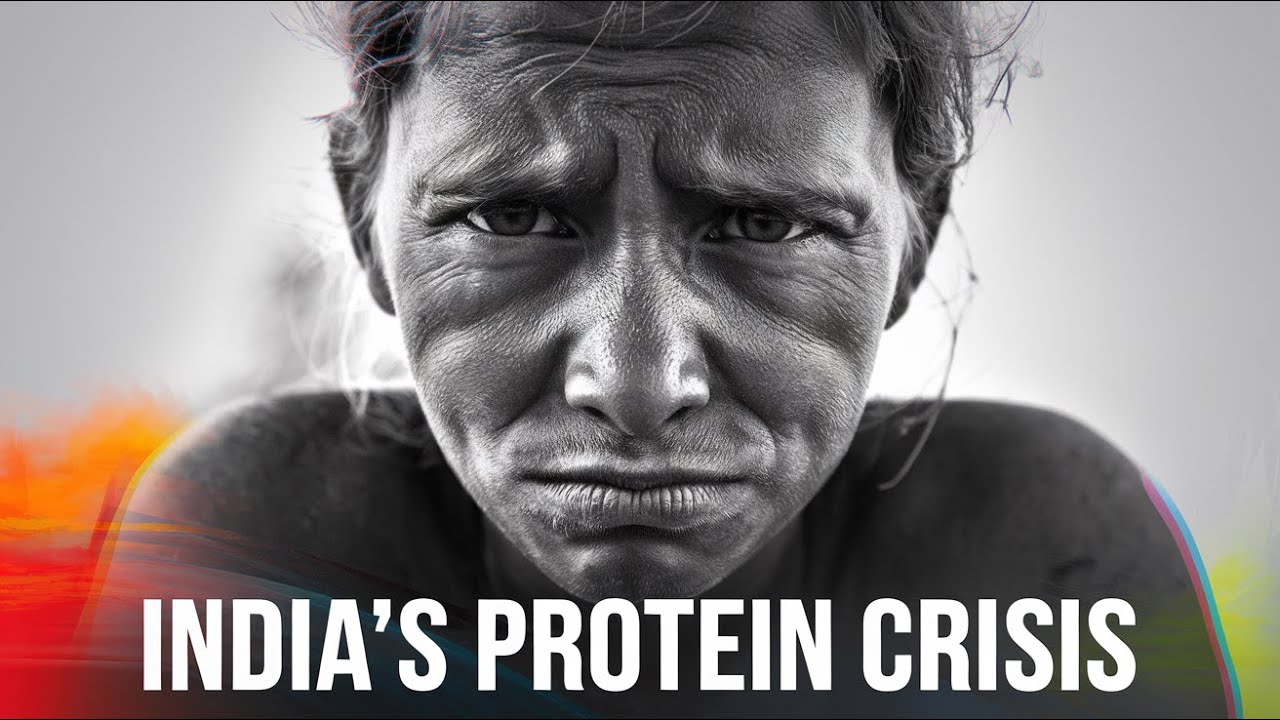
Executive Summary (TL;DR)
A Think School business case study, recorded in February 2025, on whether Amul can address what the presenter calls India's protein gap. It opens with the 1946 Gujarat milk protests against the Polson monopoly, then argues that Indians fall short on protein because of practicality and affordability, splitting India into three income groups. He explains whey as a byproduct of paneer and cheese making, says Amul's scale, 35 lakh milk producers and about 3.5 crore litres of milk a day give it a cost advantage, compares per-gram protein prices with other brands, and walks through a retailer-margin and distribution comparison before listing challenges. Sponsor: the video description names Axis Max Life insurance. PARTIAL COVERAGE: this note is based on the opening, the protein gap and affordability sections, the whey economics, the distribution section and the closing challenges, and may not cover every point in the roughly 27 minute video. All figures and claims are the presenter's own, not independently checked. This is a business discussion, not nutrition, medical or financial advice.