


How Superpowers Shape Global Politics | The US Business strategy exposed
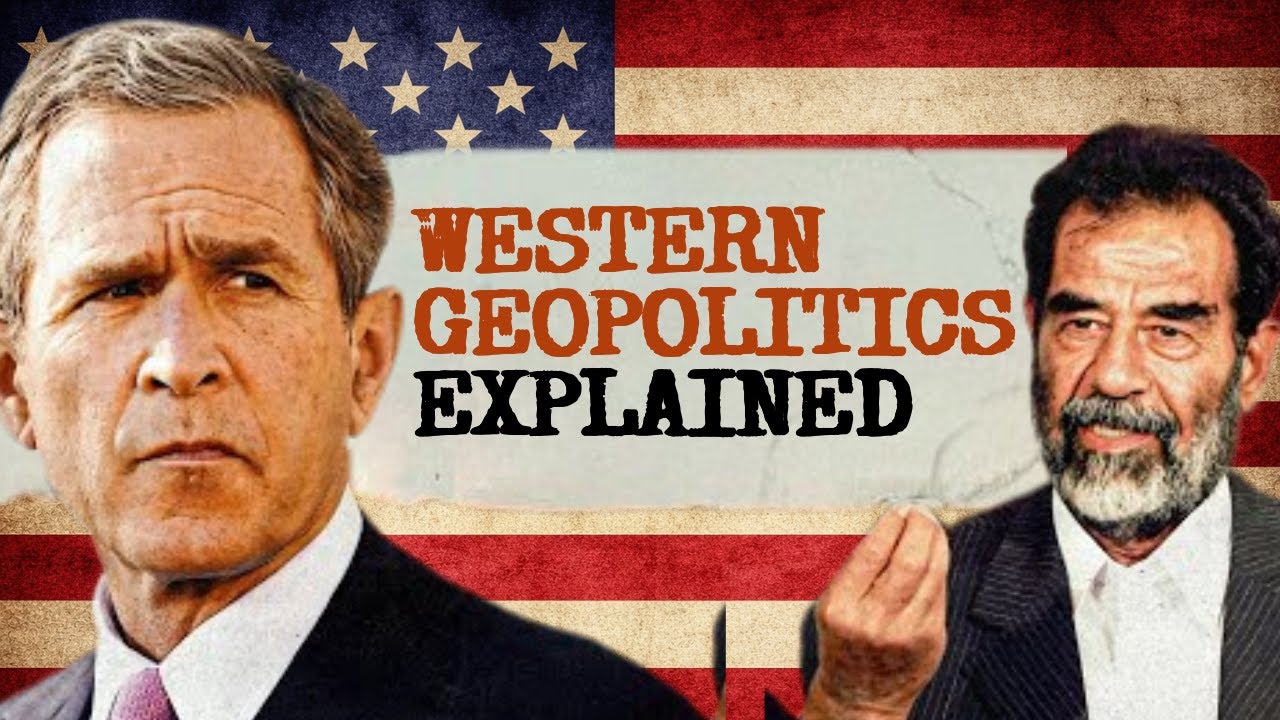
A Think School political case study from June 2022 in which the presenter argues the United States acts in its own interest and not as a peacekeeper, using Iran and Iraq as the example. He describes three strategies he attributes to the US: removing an unsuitable leader, funding and arming an opposition, and using propaganda to justify war, and cites the 1953 Iran coup, US support for Iraq in the Iran-Iraq war and the 2003 invasion. The caption text covers the whole video, including his closing list of reading material. This is a one-sided opinion piece. The historical claims, casualty and cost figures and motives (oil, arms sales) are the presenter's statements, not independently verified, and several are contested by historians. This is political commentary, not advice. Captions are automatic with errors. Topics are untimed; metadata follows YouTube. Source: https://youtubetotranscript.com/transcript?v=BIn1AzZsQUU
Executive Summary (TL;DR)
A Think School political case study from June 2022 in which the presenter argues the United States acts in its own interest and not as a peacekeeper, using Iran and Iraq as the example. He describes three strategies he attributes to the US: removing an unsuitable leader, funding and arming an opposition, and using propaganda to justify war, and cites the 1953 Iran coup, US support for Iraq in the Iran-Iraq war and the 2003 invasion. The caption text covers the whole video, including his closing list of reading material. This is a one-sided opinion piece. The historical claims, casualty and cost figures and motives (oil, arms sales) are the presenter's statements, not independently verified, and several are contested by historians. This is political commentary, not advice. Captions are automatic with errors. Topics are untimed; metadata follows YouTube. Source: https://youtubetotranscript.com/transcript?v=BIn1AzZsQUU