Host: David Senra
David Senra interviews founders and entrepreneurs about how they build companies, develop products and make decisions. The show is separate from his Founders podcast.
Read structured takeaways and actionable insights from David Senra
David Senra
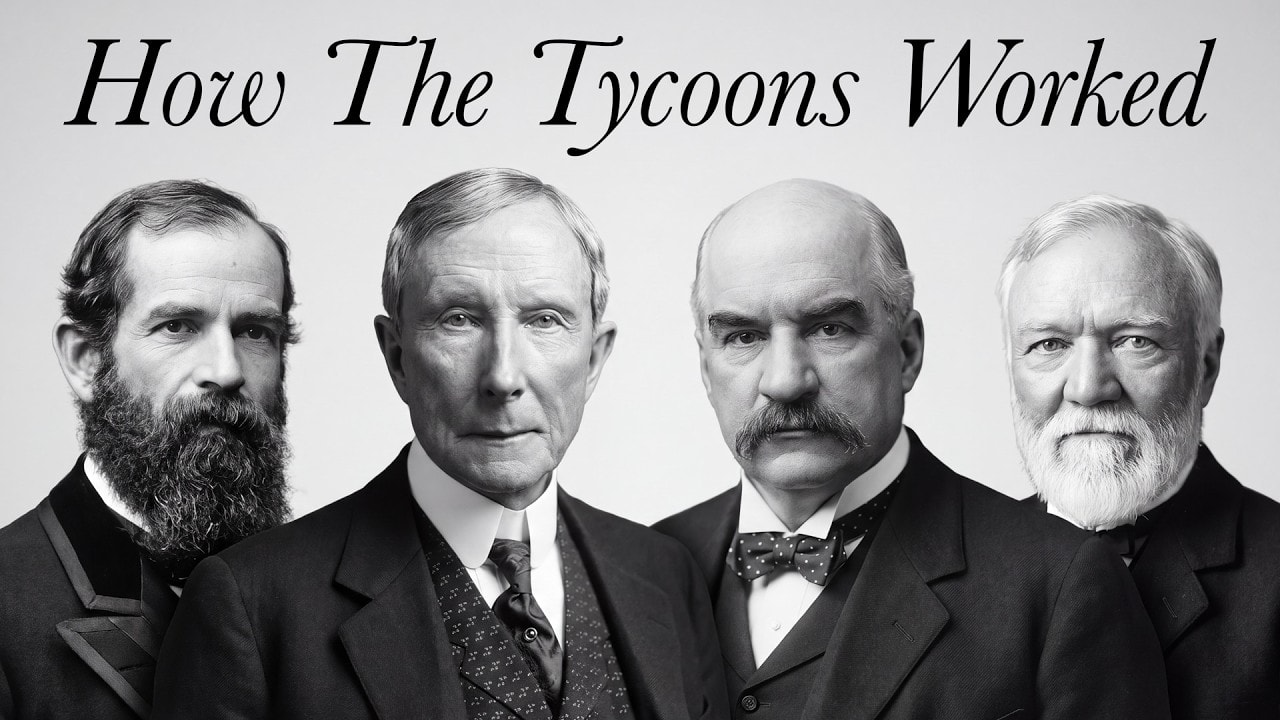
David Senra draws out how Carnegie, Rockefeller, Gould and Morgan actually ran their businesses: they were young, not old, when they built; Rockefeller's blazing-price-war conquest method; Carnegie's hunt for the newest technology; and an American culture of invention that treated workers' ingenuity as an asset. TL;DR The tycoons won on speed and efficiency: Rockefeller was faster in apprehension and more deadly in execution, and once a target capitulated, his fair-price offer was still on the table. Coverage comes from the first ~49,800 characters, covering most of the 54-minute episode. Sponsor reads appear mid-episode. Details come from machine-generated captions and the guest's own claims; business figures are not independently checked. Topics are untimed; metadata follows YouTube. Source: https://youtubetotranscript.com/transcript?v=v9KYuIrJnZA
David Senra
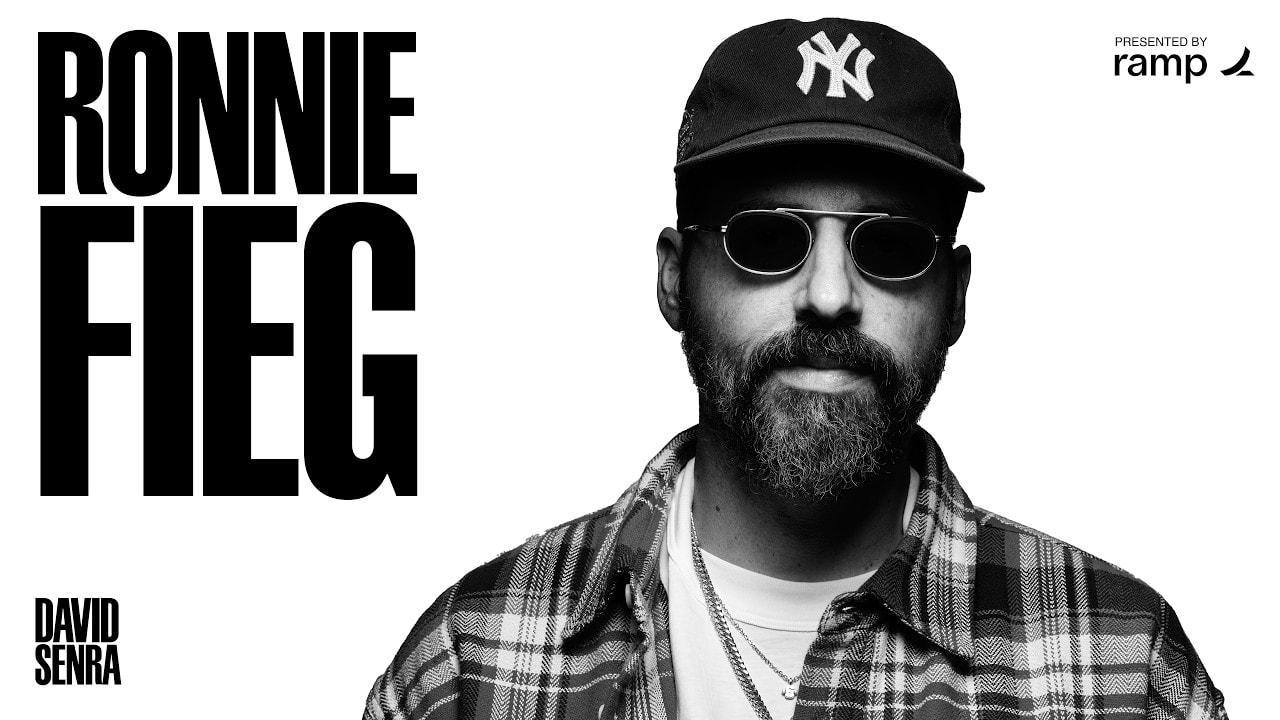
David Senra talks with Kith founder Ronnie Fieg about starting in a sneaker stockroom at 13, designing products he wants to wear himself, learning scarcity on the sales floor and balancing online sales with physical stores. These notes cover selected product, retail and brand-building passages from the official September 27, 2026 transcript, which was generated using speech recognition and may contain errors. Sponsor reads are not covered.
David Senra
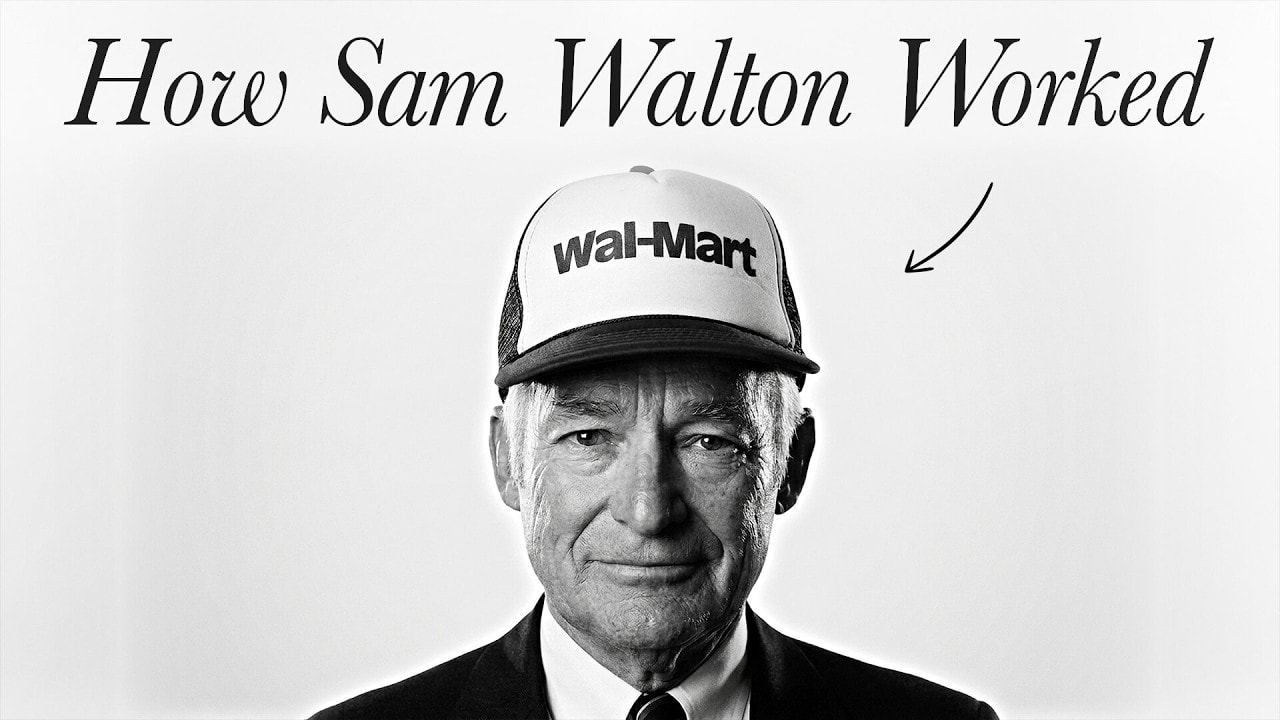
David Senra reads Sam Walton's autobiography and traces how Walmart was built: a work-obsessed founder, tiny towns the big chains ignored for a decade, a willingness to change every day, and a CEO who spent his time in stores, warehouses and loading docks instead of the office. TL;DR Walton grew for ten years in small towns while incumbents were self-satisfied, and his rule was flexibility: every day is a different situation in retail, so change fast and execute the basics. Coverage comes from the first ~49,800 characters, covering most of the 49-minute episode. A sponsor read appears mid-episode. Sponsor reads are not summarized. Details come from machine-generated captions and the guest's own claims; business figures are not independently checked. Topics are untimed; metadata follows YouTube. Source: https://youtubetotranscript.com/transcript?v=dAx0W29-FWE

David Senra
David Senra reads Michael Bloomberg's autobiography: fired from Salomon Brothers with $10 million, starting a company at 39, acting from day one while others planned, knowing the business was information rather than hardware, and why selling is everybody's job. TL;DR Bloomberg was pushed out of the only full-time job he had, started with his own money, and refused to cash in; he says real builders cannot sit still, and that Bloomberg's product was always content, never the terminal hardware. Coverage comes from the first ~49,800 characters, covering most of the 49-minute episode. Sponsor reads appear mid-episode. Details come from machine-generated captions and the guest's own claims; business figures are not independently checked. Topics are untimed; metadata follows YouTube. Source: https://youtubetotranscript.com/transcript?v=1iH5YpzPZi8
David Senra
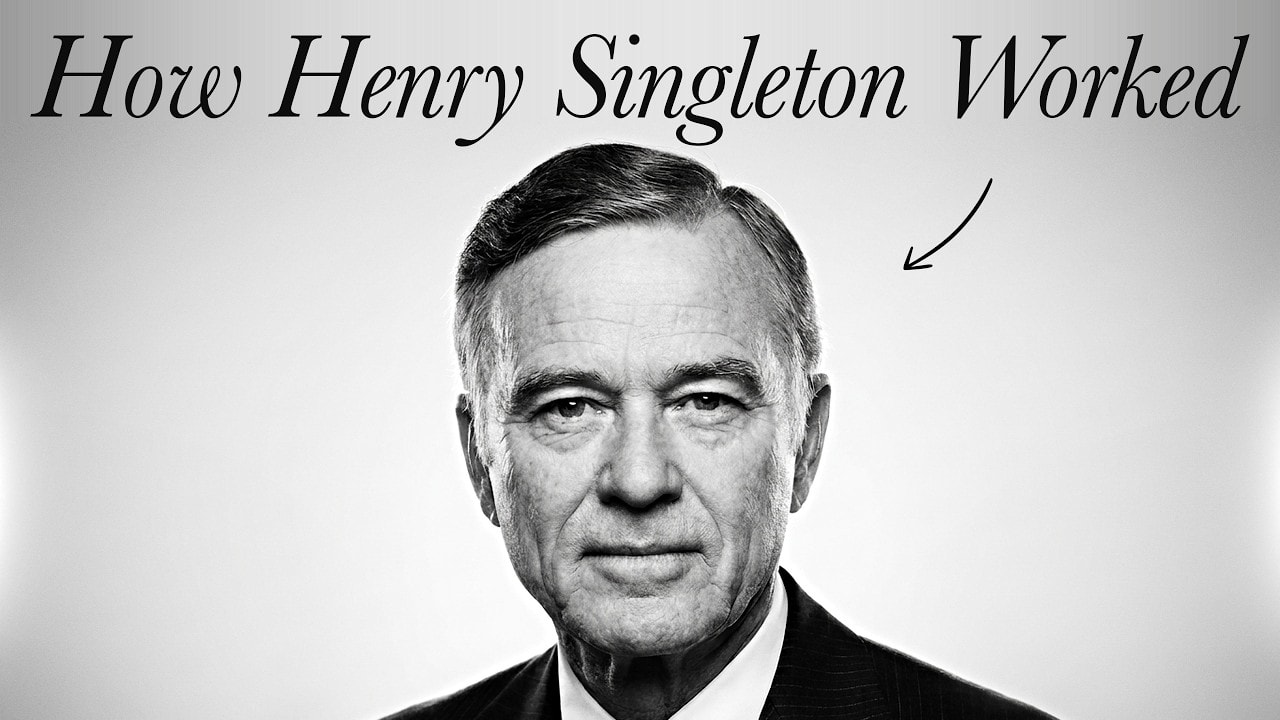
David Senra profiles Teledyne founder Henry Singleton: a mathematician CEO with a pragmatic focus on cash, 90 acquisitions in three years, a monthly reporting system that caught trouble early, a home-grown 'Teledyne return' measure, and extreme concentration when he invested. TL;DR Singleton concluded the key to business was cash flow from his own thinking, acquired aggressively when conviction struck, and measured units by cash plus profit, telling managers to report the rest of the profit when they actually got it. Coverage comes from the first ~49,800 characters, covering most of the 49-minute episode. Sponsor reads appear mid-episode. Details come from machine-generated captions and the guest's own claims; business figures are not independently checked. Topics are untimed; metadata follows YouTube. Source: https://youtubetotranscript.com/transcript?v=fC6ICHKJBXU
David Senra
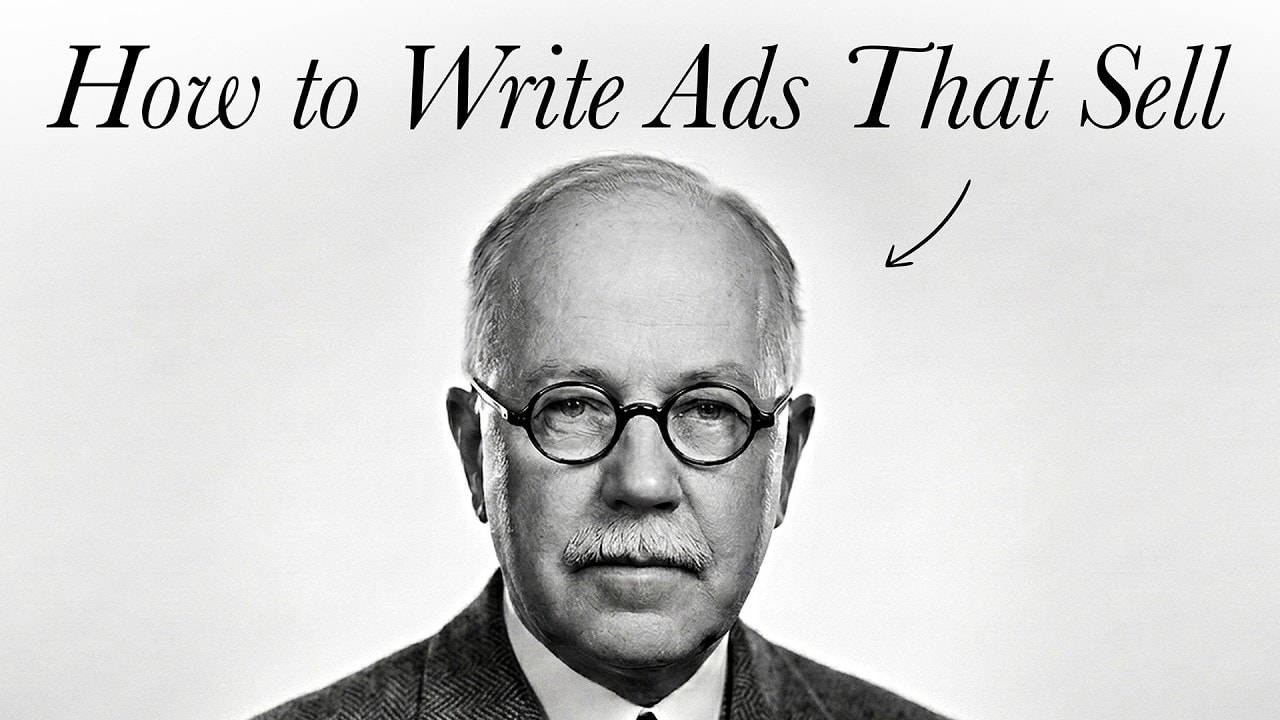
David Senra reads Scientific Advertising and Claude Hopkins' autobiography: how Hopkins wrote his way into jobs, why you want no distance between you and the end buyer, Estee Lauder's free-sample reciprocity engine, and why good ads talk about what the customer wants, a hundred-year-old lesson companies still fail. TL;DR Hopkins tested everything directly with buyers, and Senra's summary of the book is that ads should come from the customer's perspective, which most companies still get wrong. Coverage comes from the first ~49,800 characters, covering most of the 63-minute episode. Sponsor reads appear mid-episode. Details come from machine-generated captions and the guest's own claims; business figures are not independently checked. Topics are untimed; metadata follows YouTube. Source: https://youtubetotranscript.com/transcript?v=9YrcSWczGdg
David Senra
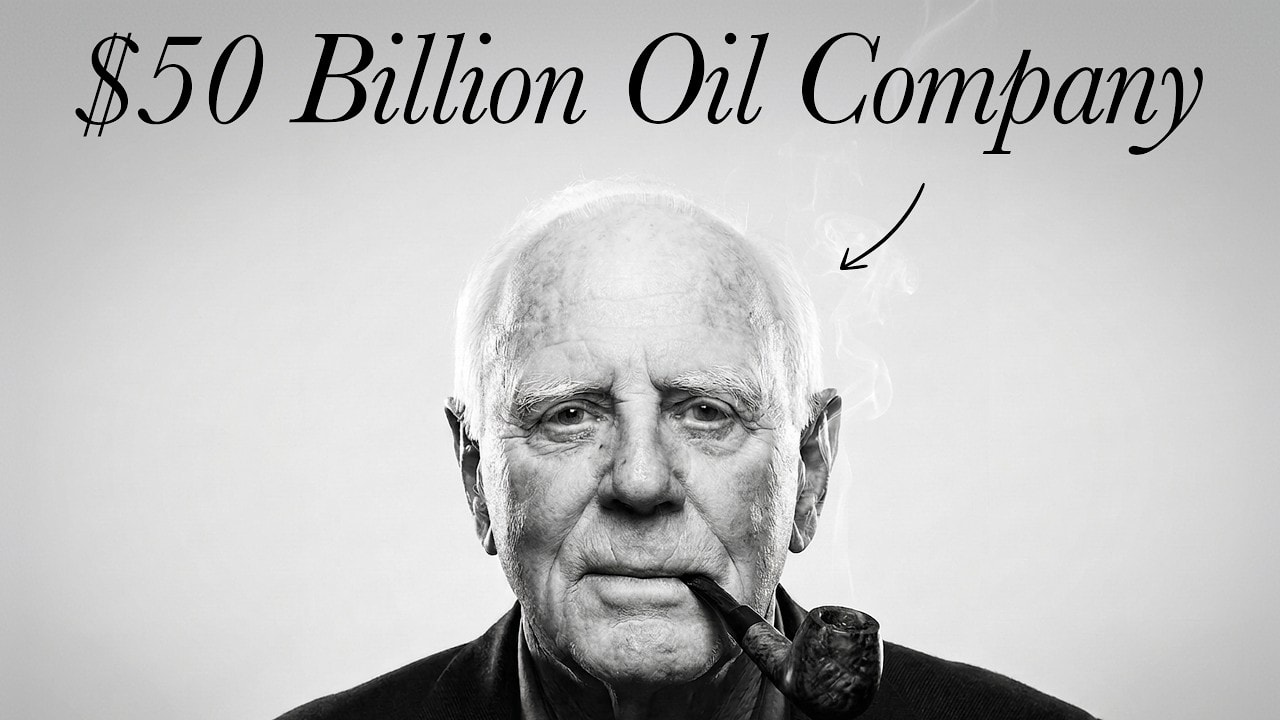
David Senra reads Raymond Plank's memoir: 90 years old with seven decades of entrepreneurship, a tax and accounting service that revealed the oil opportunity, the company plane he charged back at commercial airfare, the co-founder who bugged the boardroom, and buying the majors' castoff assets. TL;DR Plank expanded his accounting firm through oil and gas contacts, saw it as his duty to understand what drove his market, and built Apache by acquiring and exploiting assets the majors sold to cut costs. Coverage comes from the first ~38,800 characters, covering essentially the full 38-minute episode. Sponsor reads appear mid-episode. Details come from machine-generated captions and the guest's own claims; business figures are not independently checked. Topics are untimed; metadata follows YouTube. Source: https://youtubetotranscript.com/transcript?v=UpuinNtK6c4

David Senra
David Senra reads the Nolan biography: the analog world he protects, the Walkman film scores that trained his imagination, the one-minute commute between home and production facility, the Borges lesson that you need something rattling inside you before a story can land, and how each film led to the next. TL;DR Nolan's first film Following led to Memento because doing the best job with the opportunities in front of you leads to opportunities you cannot predict. Coverage comes from the first ~49,800 characters, covering most of the 51-minute episode. Sponsor reads appear mid-episode. Details come from machine-generated captions and the guest's own claims; business figures are not independently checked. Topics are untimed; metadata follows YouTube. Source: https://youtubetotranscript.com/transcript?v=Cmsj-iyiEXM

David Senra
David Senra reads Phil Knight's memoir Shoe Dog: the crazy idea that became Nike, coach Bill Bowerman's influence, six-day accountant weeks funding Blue Ribbon, total focus on one task, and the ironclad retailer commitments that saved the company from its cash squeeze. TL;DR Knight worked an accountant job six days a week while building Blue Ribbon mornings, nights and weekends, wanted his life more out of balance rather than less, and invented non-refundable advance orders when cash ran out. Coverage comes from the first ~49,800 characters, covering roughly the first 50 minutes of the 63-minute episode; the remainder is not covered. Sponsor reads appear mid-episode. Details come from machine-generated captions and the guest's own claims; business figures are not independently checked. Topics are untimed; metadata follows YouTube. Source: https://youtubetotranscript.com/transcript?v=wu5SsVzcfx0
David Senra
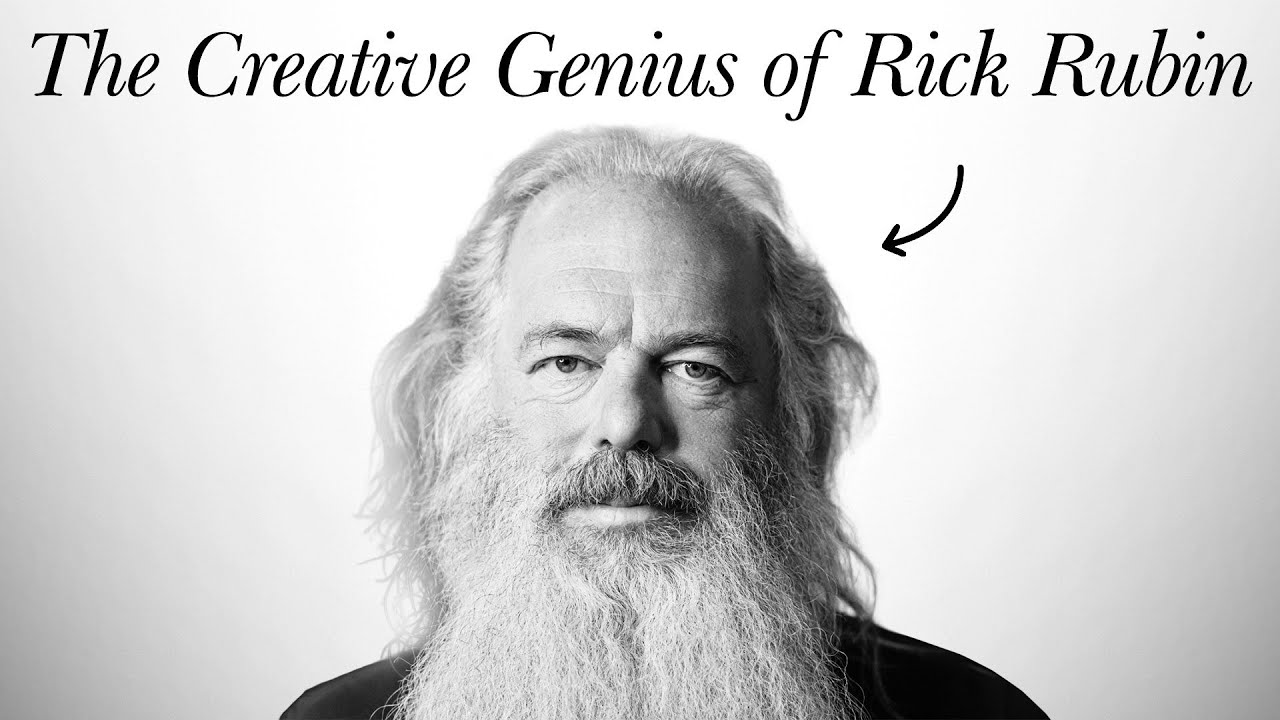
David Senra reads Rick Rubin's The Creative Act: treat each choice as part of the work, build your own best environment like Warhol's simultaneous screens or Eminem's single TV, submerge yourself in great work, and treat all creation as collaboration with what came before. TL;DR Rubin's claim is that nothing begins with us: all work is a collaboration with the past, and feedback, even badly offered, may point to a problem you had not noticed. Coverage comes from the first ~42,700 characters, covering essentially the full 43-minute episode. Sponsor reads appear mid-episode. Details come from machine-generated captions and the guest's own claims; business figures are not independently checked. Topics are untimed; metadata follows YouTube. Source: https://youtubetotranscript.com/transcript?v=wYi4emYR89I

David Senra
David Senra profiles Christian von Koenigsegg: the kid who asked why about every car in the magazine, the company motto that the show must go on when something breaks, Formula 1-grade carbon fiber in every car, and hiring people who bring all their energy to the work. TL;DR Koenigsegg repeats 'the show must go on' whenever something breaks in testing, and refuses second position, using the same extreme carbon fiber as Formula 1, fighter jets and spaceships. Coverage comes from the first ~49,800 characters, covering most of the 46-minute episode. Sponsor reads appear mid-episode. Details come from machine-generated captions and the guest's own claims; business figures are not independently checked. Topics are untimed; metadata follows YouTube. Source: https://youtubetotranscript.com/transcript?v=03IcWhHFNMM
David Senra
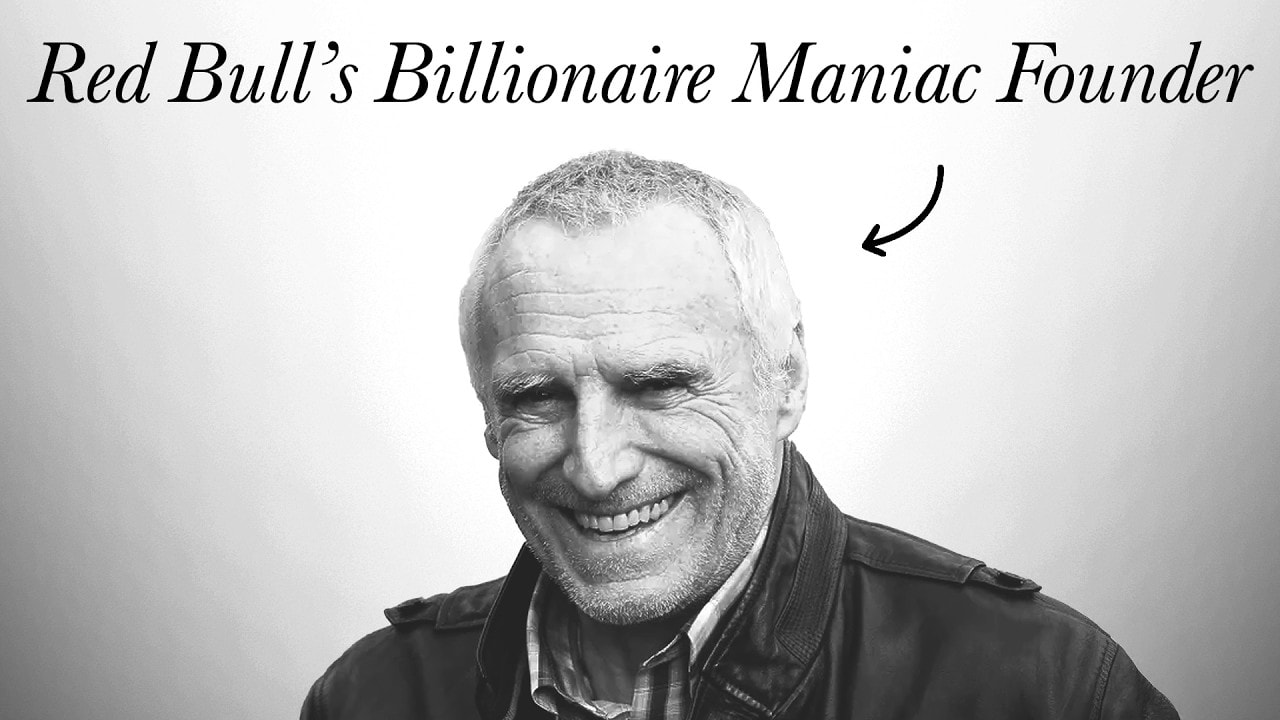
David Senra profiles Red Bull founder Dietrich Mateschitz: the 1982 Thailand trip that turned a local tonic into a global brand, buying a gossip magazine so he would never appear in it, and the Dior principle that secrecy and rumor beat expensive publicity. TL;DR Mateschitz found Red Bull as an uncarbonated tonic locals drank in Thailand, and runs his publicity on Dior's line that gossip and malicious rumors are worth more than the most expensive campaign. Coverage comes from the first ~49,800 characters, covering most of the 60-minute episode. Sponsor reads appear mid-episode. Details come from machine-generated captions and the guest's own claims; business figures are not independently checked. Topics are untimed; metadata follows YouTube. Source: https://youtubetotranscript.com/transcript?v=nrmjb5PC0ms

David Senra
David Senra revisits Jiro Dreams of Sushi: the tuna dealer who buys his first choice or nothing, the ten-seat restaurant that made simplicity the ultimate advantage, and Jiro still refining the process, boiling shrimp only when the customer arrives. TL;DR Jiro's suppliers are anti-establishment masters: if ten tuna are for sale, only one can be the best, so they buy that one or nothing, and their standards will never be compromised. Coverage comes from the first ~41,800 characters, covering essentially the full 38-minute episode. Sponsor reads appear mid-episode. Details come from machine-generated captions and the guest's own claims; business figures are not independently checked. Topics are untimed; metadata follows YouTube. Source: https://youtubetotranscript.com/transcript?v=x2Rj0sgjDSw
David Senra
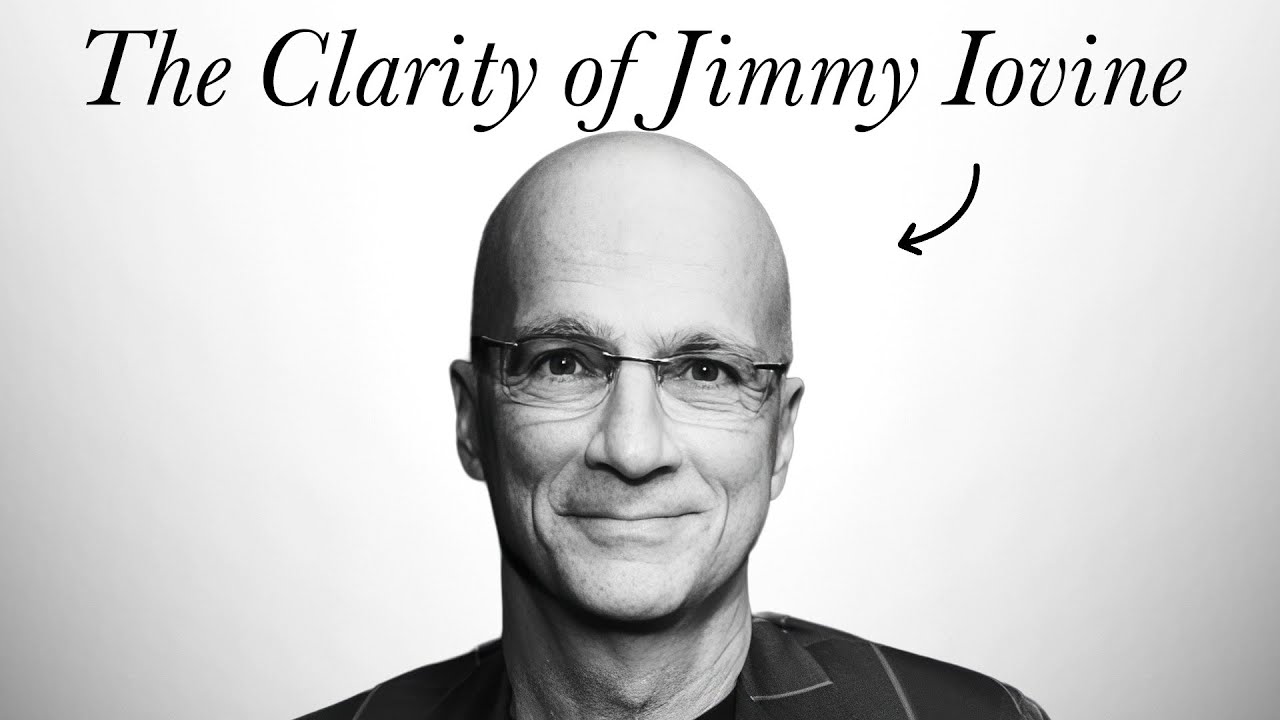
David Senra draws on The Defiant Ones and Iovine's story: the young studio dog with the fastest learning curve Springsteen ever saw, falling asleep at the soundboard under relentless pressure and almost quitting, and the instinct that built Interscope. TL;DR Springsteen called Iovine a brilliant impostor and a young studio dog with the fastest learning curve he had ever seen; the pressure nearly broke him before a manager's advice saved him. Coverage comes from the first ~49,700 characters, covering most of the 57-minute episode. Sponsor reads appear mid-episode. Details come from machine-generated captions and the guest's own claims; business figures are not independently checked. Topics are untimed; metadata follows YouTube. Source: https://youtubetotranscript.com/transcript?v=spK59Aj-sj4

David Senra
David Senra profiles Amancio Ortega: the grocery-store refusal that marked him as a boy, working backwards from the customer instead of forecasting, street-level teams watching what people wear right now, and the privacy he kept until the IPO forced a photograph. TL;DR Ortega built Inditex by asking what people wear now, not what they will wear in two years, with employees worldwide watching the street and designers surrounded by thousands of magazines. Coverage comes from the first ~49,800 characters, covering most of the 49-minute episode. Sponsor reads appear mid-episode. Details come from machine-generated captions and the guest's own claims; business figures are not independently checked. Topics are untimed; metadata follows YouTube. Source: https://youtubetotranscript.com/transcript?v=6XYIo7-Scb8
David Senra
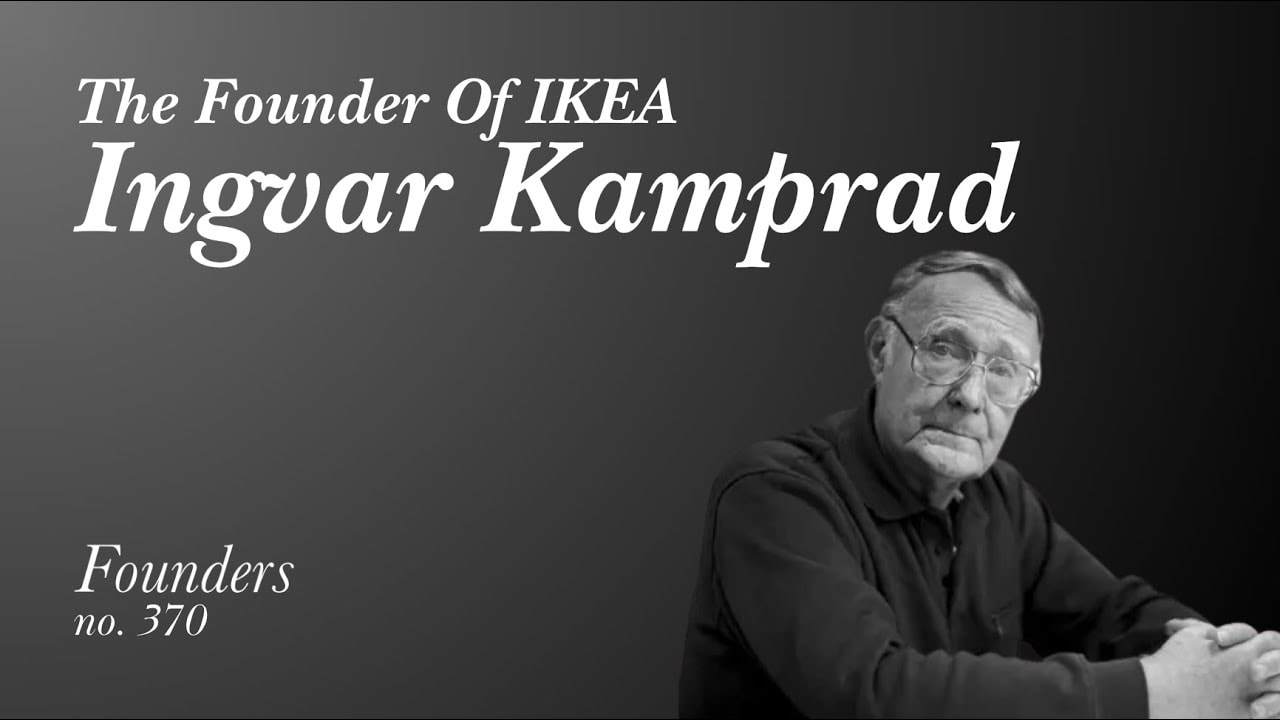
David Senra reads the Kamprad biography: 74 years on one company from age 17, the $63 bank loan for 500 fountain pens that was essentially his only loan, why exaggerated planning kills companies, and the cost-awareness that became IKEA's anthem. TL;DR Kamprad says exaggerated planning is the most common cause of corporate death, that simplicity and common sense should guide planning, and that the customer pays for whatever the company wastes. Coverage comes from the first ~49,800 characters, covering most of the 62-minute episode. Sponsor reads appear mid-episode. Details come from machine-generated captions and the guest's own claims; business figures are not independently checked. Topics are untimed; metadata follows YouTube. Source: https://youtubetotranscript.com/transcript?v=c9Crn_o5DW0
David Senra
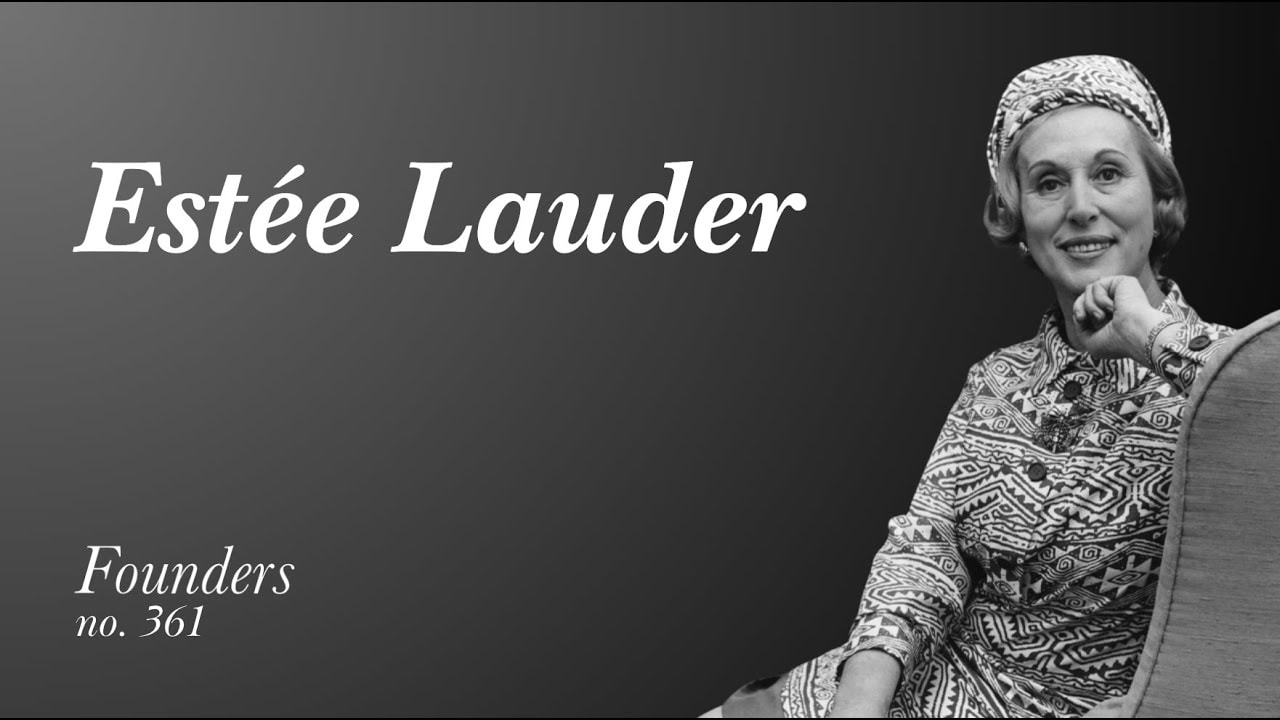
David Senra reads Estee Lauder's autobiography: obsessed with beauty from age 16, a housewife who did not found the company until 38, the free-everything samples that recruited customers one by one, and a family-business structure that kept an obsessive founder's life from breaking. TL;DR Lauder built the business for free for decades before it was a company, gave women a little of everything to take home, and forty years later still received mail from customers she had made up in spontaneous moments. Coverage comes from the first ~49,800 characters, covering most of the 55-minute episode. Sponsor reads appear mid-episode. Details come from machine-generated captions and the guest's own claims; business figures are not independently checked. Topics are untimed; metadata follows YouTube. Source: https://youtubetotranscript.com/transcript?v=PLWjOO_1SSU
David Senra
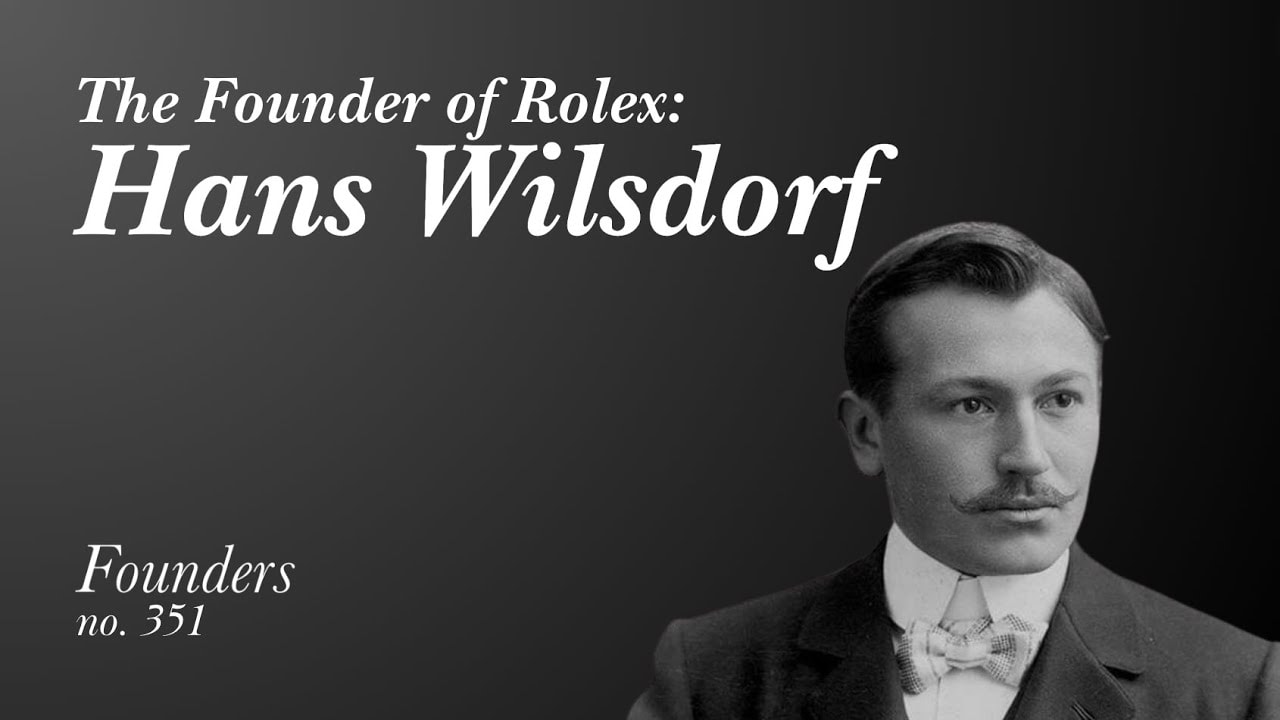
David Senra profiles Rolex founder Hans Wilsdorf: the orphan whose boarding-school languages made the company possible, the idea of a watch for every pocket, and the three-part demand of precise, waterproof and self-winding that made buying simple for customers. TL;DR Wilsdorf understood the wristwatch opportunity before anyone else, demanded precision, waterproofing and self-winding in 1914 terms, and after 40 years felt he had surmounted every obstacle. Coverage comes from the first ~49,800 characters, covering most of the 49-minute episode. Sponsor reads appear mid-episode. Details come from machine-generated captions and the guest's own claims; business figures are not independently checked. Topics are untimed; metadata follows YouTube. Source: https://youtubetotranscript.com/transcript?v=8MLvzAhKjlM

David Senra
David Senra reads the Anna Wintour biography: the personal tagline 'I just have to make sure things are being done right,' a voracious reader raised on her father's ambition, the first person to leave every party, and the control she exercised over Vogue for decades. TL;DR Wintour presided over the fashion bible by insisting things be done right, reading voraciously like her father, leaving parties first to work in the morning, and shaking her head through other editors' meetings. Coverage comes from the first ~49,800 characters, covering most of the 66-minute episode. Sponsor reads appear mid-episode. Details come from machine-generated captions and the guest's own claims; business figures are not independently checked. Topics are untimed; metadata follows YouTube. Source: https://youtubetotranscript.com/transcript?v=npZmuHLtpd4
David Senra
David Senra revisits Yvon Chouinard: the climber whose tools stood out for the cleanest lines, why simplicity is complexity resolved, being your own best customer as the whole R&D department, and the limits rule from risk sports that governed how far Patagonia would push. TL;DR Chouinard's tools were the lightest, strongest, most versatile and most expensive because simplicity is complexity resolved, and he ran the company on the climber's rule: push the edge, never go over. Coverage comes from the first ~49,800 characters, covering most of the 60-minute episode. Sponsor reads appear mid-episode. Details come from machine-generated captions and the guest's own claims; business figures are not independently checked. Topics are untimed; metadata follows YouTube. Source: https://youtubetotranscript.com/transcript?v=OPT6sWCgauA
David Senra
David Senra reads Ray Kroc's story: the multimixer salesman who saw the McDonald brothers' kitchen and pitched a chain, the father who confused real-estate luck with skill, and the obsession that left no time for emotional stress while the first stores went up. TL;DR Kroc told the brothers he had never seen anything to equal the potential of their restaurant, and that a chain would be a gold mine for them and for him. Coverage comes from the first ~49,800 characters, covering most of the 58-minute episode. Sponsor reads appear mid-episode. Details come from machine-generated captions and the guest's own claims; business figures are not independently checked. Topics are untimed; metadata follows YouTube. Source: https://youtubetotranscript.com/transcript?v=E6OSZ8uRONA