Host: Tim Ferriss
Tim Ferriss interviews guests about the habits, decisions and ideas behind their work and lives. Conversations cover entrepreneurship, creativity, learning and personal experiments.
Read structured takeaways and actionable insights from The Tim Ferriss Show
The Tim Ferriss Show
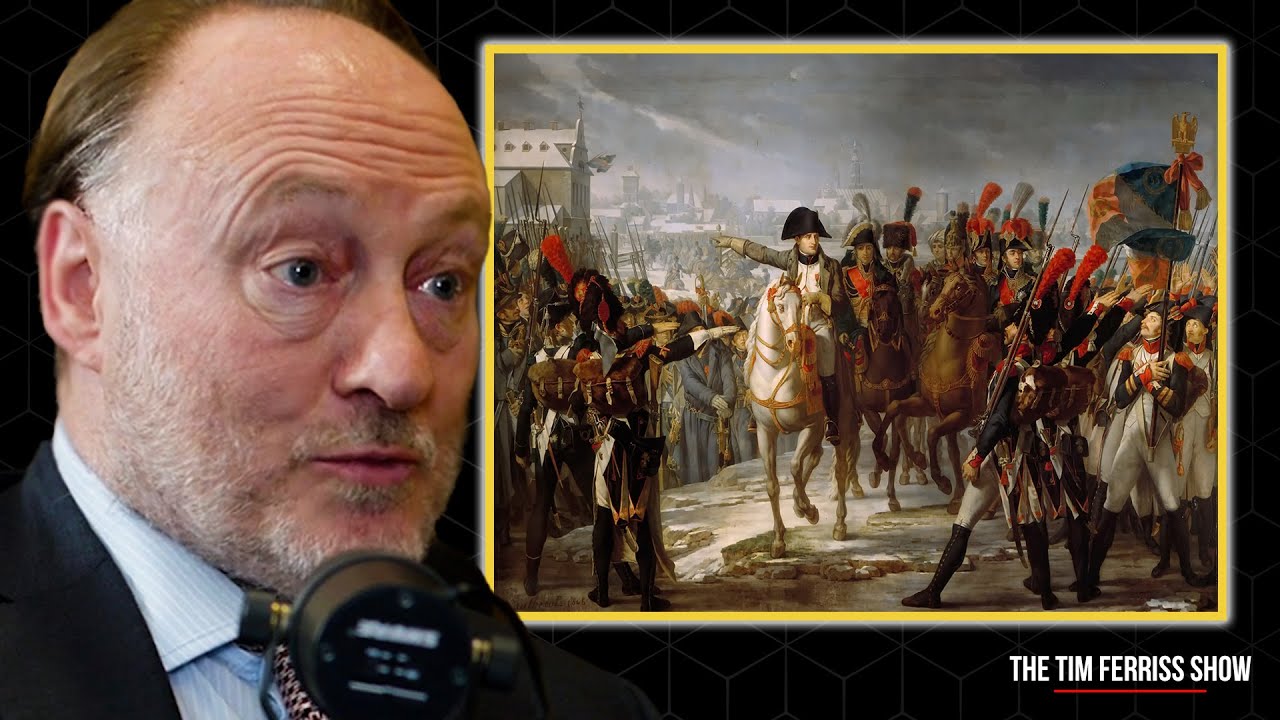
A roughly four-minute clip from The Tim Ferriss Show in which historian Andrew Roberts, author of Napoleon: A Life and Churchill: Walking with Destiny, compares Napoleon and Churchill. He says both attended military colleges, thought a lot about war and figures such as Julius Caesar and Alexander the Great, and combined egotism with self-confidence that let them take shattering decisions. He calls this a kind of holy fire, a belief that what they were doing had to be done, and says he sees it as more nurture than nature. He then says Churchill was a massive autodidact who read philosophers and historians such as Gibbon and Macaulay in India, which shaped his writing and outlook, and that Napoleon was also very literary. Sponsors named in the description: Our Place and Shopify. PARTIAL COVERAGE: this is a clip of about four minutes and the notes cover the whole available caption, but not the longer interview it came from. Historical claims are the guest's own and not independently checked.
The Tim Ferriss Show
A six-minute clip from The Tim Ferriss Show in which investor Kevin Ryan, founder of AlleyCorp and former CEO of DoubleClick, recalls how he spotted the early internet in the mid-1990s. He describes working in finance and at Euro Disney, becoming an executive at United Media, launching the Dilbert website in 1995, pricing the first ad on the spot, and being told by a senior executive to wait for the next internet. He then explains joining DoubleClick early, rising to CEO, deciding fast, and expanding to 20 countries before the first was profitable. Sponsors named in the description: Eight Sleep, Shopify and Momentous (AG1 is also listed). PARTIAL COVERAGE: this is a short clip taken from a longer conversation, and this note covers the whole clip but not the full episode it comes from. Claims are the guest's own account and are not independently checked. Nothing here is financial advice.
The Tim Ferriss Show
A Tim Ferriss Show conversation with Kevin Ryan, founder of AlleyCorp and an early leader of DoubleClick, about spotting 10-year trends and building companies. PARTIAL COVERAGE: the episode runs about 76 minutes and the available caption text is cut off, so this summary covers only the first part (his bio, trend spotting, events he hosts, second-order thinking, Gilt, his early career and DoubleClick, and the start of the AlleyCorp model), not the later sections such as recruiting and health. The title and some details come from YouTube metadata. All figures, forecasts and stories are the speakers' own statements, not independently checked, and nothing here is investment advice. Topics are untimed; metadata follows YouTube. Source: https://youtubetotranscript.com/transcript?v=j774AFDJqFg
The Tim Ferriss Show
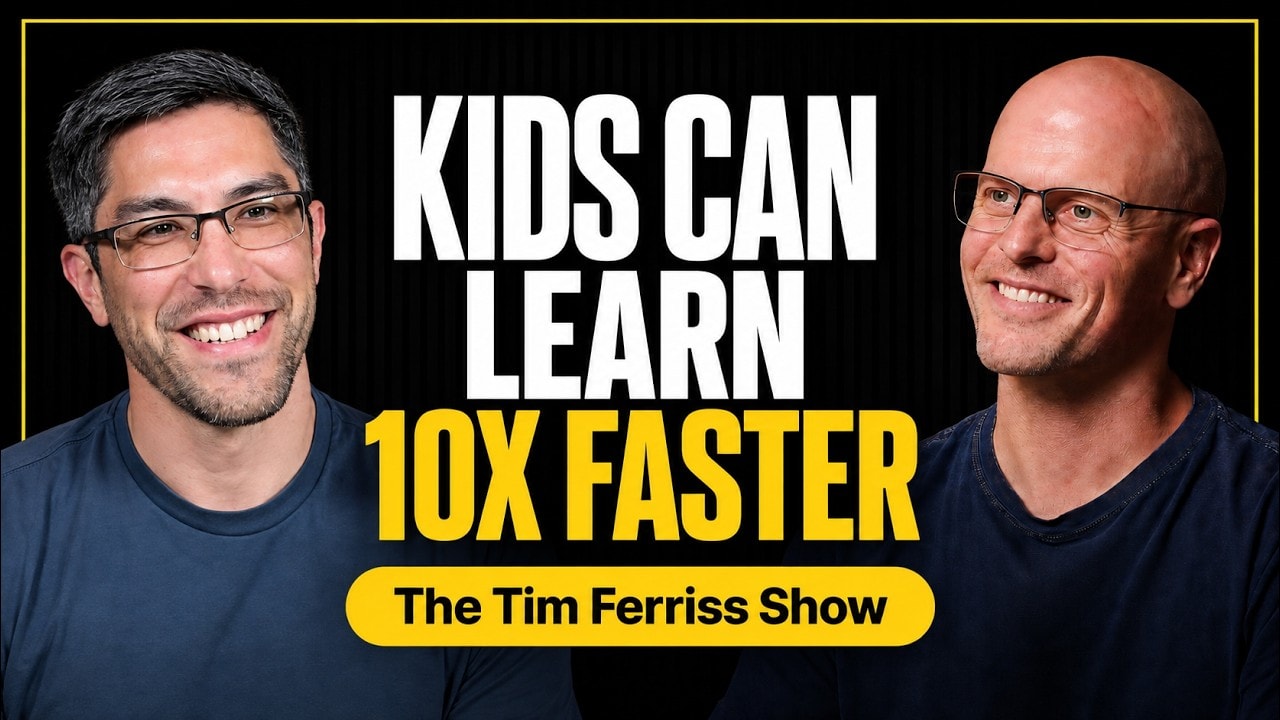
Tim Ferriss Show episode, brought to you by Fin, Shopify and Wealthfront, in which Tim coaches Niels Hoven, founder of Mentava, software designed to let young children learn to read as fast as they are capable of learning. Hoven explains that reading is a solved problem - phonics, well taught - and that Mentava's edge is optimized curriculum plus motivation design, with stories like two-year-old twins reading early-reader books and a kindergartener catching up in weeks. Most of the conversation is a working session: Ferriss advises putting investor asks at the top of updates, asks which channels actually convert (X and word of mouth, not Meta's cheap unqualified leads), critiques homepage mockups, pushes testimonials to do the heavy lifting, suggests a readiness check as a shareable artifact, and argues for congregating the already-converted instead of converting skeptics. PARTIAL COVERAGE: the captions cover most of the conversation, but this summary highlights the product logic and the marketing coaching only, so tangents and the lightning exchanges are not summarized. These are the participants' own views and claims, not independently verified, and nothing here is educational, developmental or investment advice for your child.
The Tim Ferriss Show
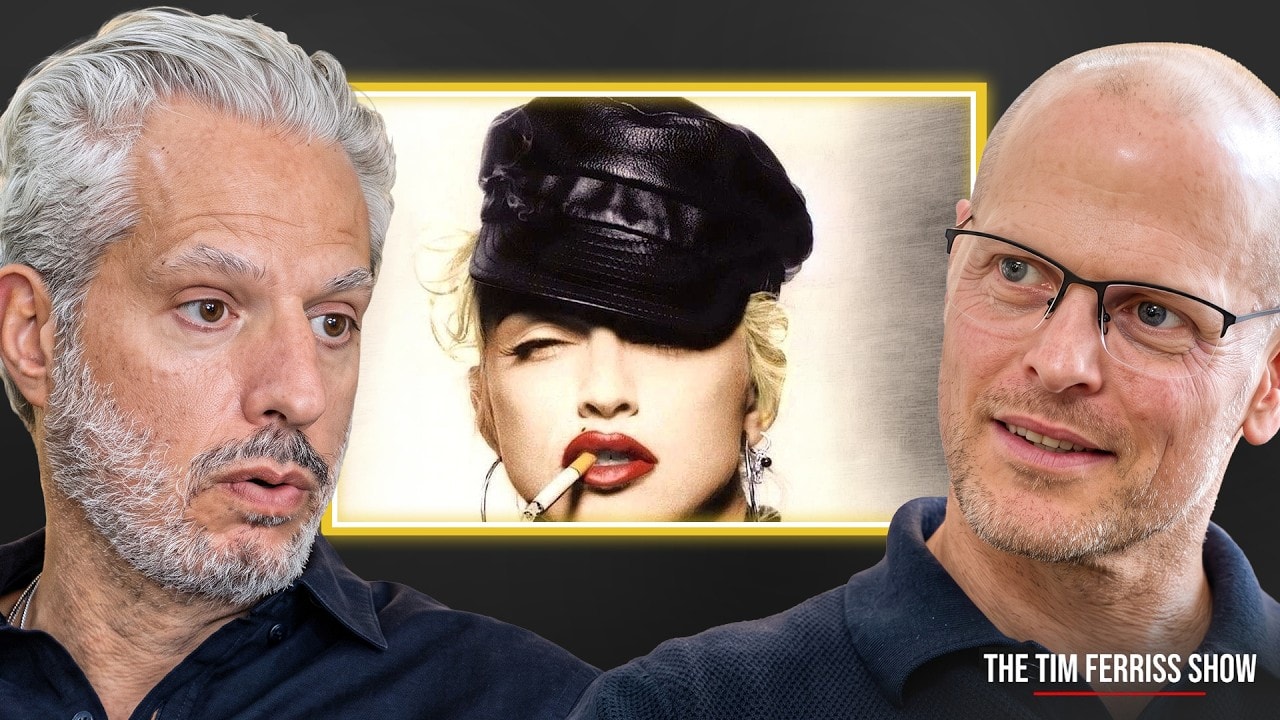
Short Tim Ferriss Show clip in which Tim talks with Guy Oseary, a talent manager and investor who has managed Madonna, about what he has learned from working with her for about 36 years. Guy says her work ethic and commitment to her craft are not to be believed, that she is a great identifier of early talent, and that she puts no walls around her thoughts, which taught him not to think in a limited way. He describes how a blank canvas and zero context helped him start a film company at Maverick, how he sees founders as rock stars with music to share, and how he brought creative ideas to Madonna as a manager. He says she keeps moving forward and does not celebrate her accomplishments. Sponsors named in the description: Momentous and AG1. PARTIAL COVERAGE: this is a roughly 11 minute excerpt based on the captions, so it covers only the part of the conversation that was clipped. Guy's descriptions of Madonna and of his career are his own account and are not independently checked. Nothing here is medical, nutritional, legal or financial advice.
The Tim Ferriss Show
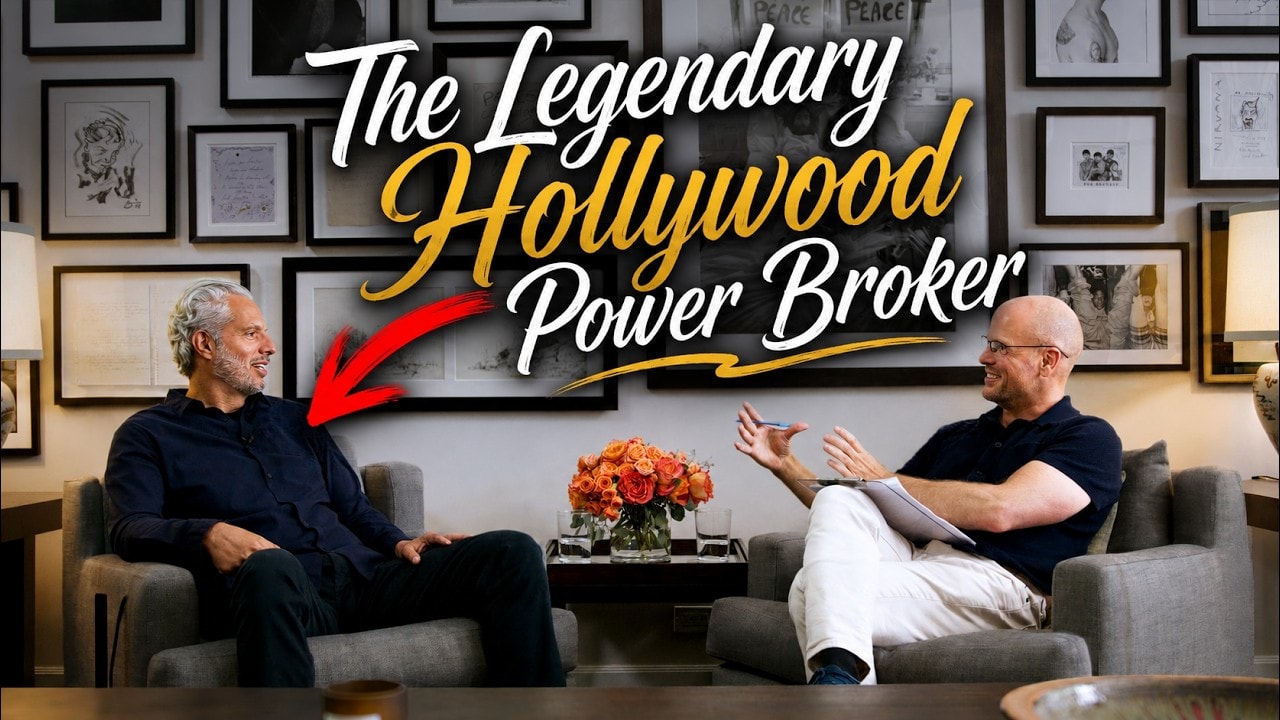
A Tim Ferriss Show conversation with Guy Oseary, a music and film manager and tech investor, who tells how he got started in music. PARTIAL COVERAGE: the episode runs about 88 minutes and the available caption text is cut off, so this summary covers only the opening part (childhood in Los Angeles, Beverly Hills High, early meetings with Bernie Brillstein and Freddy DeMann, his first signings, Alanis Morissette, working with Madonna and his move into film), not the later tech-investing sections. All stories, figures and claims are Oseary's statements, not independently checked, and nothing here is investment advice. Names are as spelled in automatic captions and may be wrong. Topics are untimed; metadata follows YouTube. Source: https://youtubetotranscript.com/transcript?v=-e-gDi-nB1w
The Tim Ferriss Show
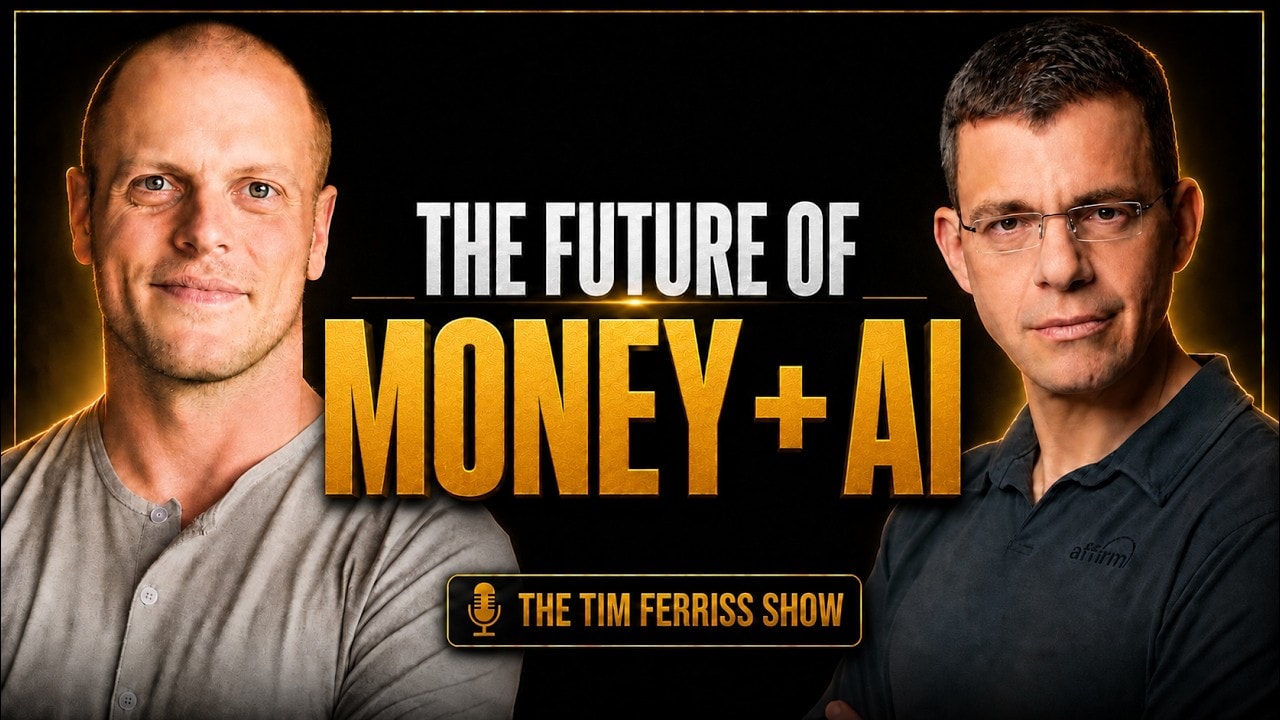
A Tim Ferriss Show conversation with Max Levchin, co-founder of PayPal and founder of Affirm, about marriage and co-founding, the movie line 'whenever there is any doubt, there is no doubt', his favourite novel The Master and Margarita, and cycling. PARTIAL COVERAGE: the episode runs about 118 minutes and the available caption text is cut off, so this summary covers only roughly the first 40 percent, up to his comments on growing up in the Soviet Union, and not the later business discussion. His views on politics and economic systems near the end of the captioned part are his own opinions, noted here without endorsement.
The Tim Ferriss Show
A Tim Ferriss Show conversation with Cathy Lanier, former chief of the Metropolitan Police Department in Washington, DC, about her childhood, her grandmother's rules about accountability, her early years as a rookie during the Mount Pleasant riots and how she rose through the ranks. PARTIAL COVERAGE: the episode runs about 96 minutes and the available caption text is cut off, so this summary covers roughly the first half, up to her rise under a new chief, and not later topics. Her accounts of events and workplace conflict are her own. Opinions about policing and city politics are hers, not endorsed here.
The Tim Ferriss Show
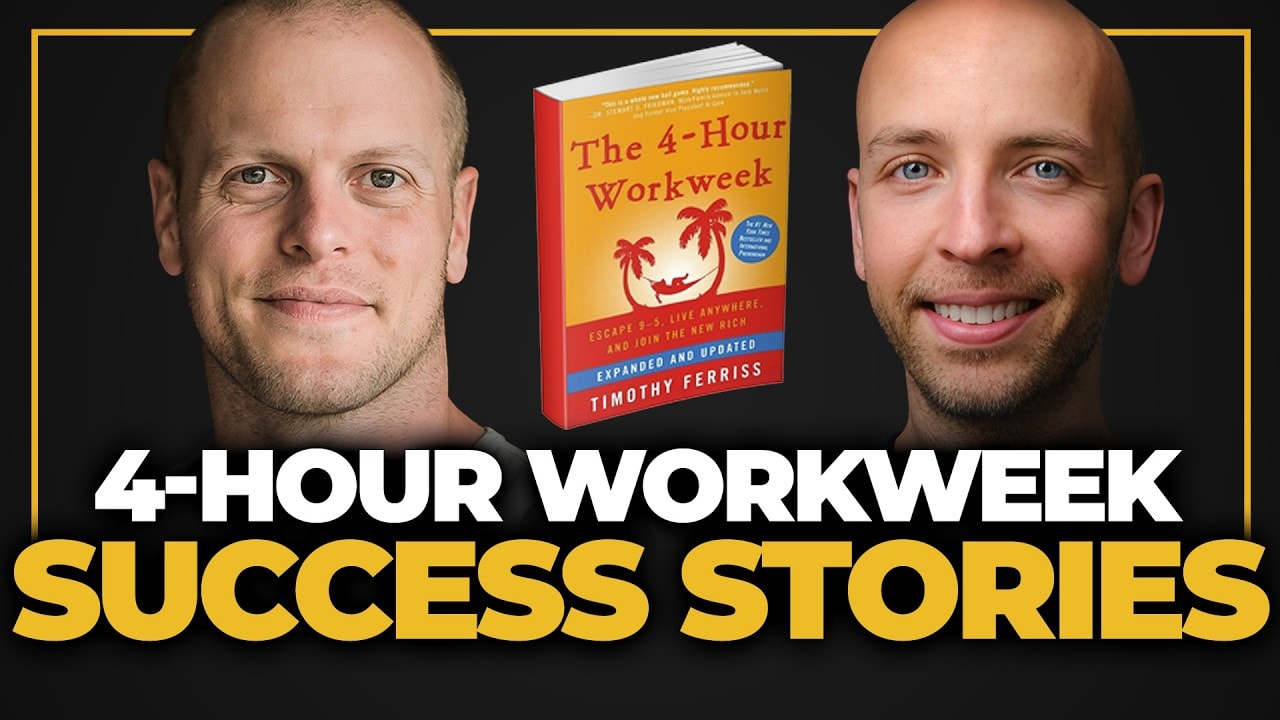
Brian Dean reflects on making useful content, recognizing what readers need and shifting from a publishing quota to quality. Selected official transcript coverage excludes current SEO prescriptions, sale and financial details, legal or tax advice, health interpretations and sponsors. Business examples are his recollections, unverified here. Untimed editorial topics are not video chapters.
The Tim Ferriss Show
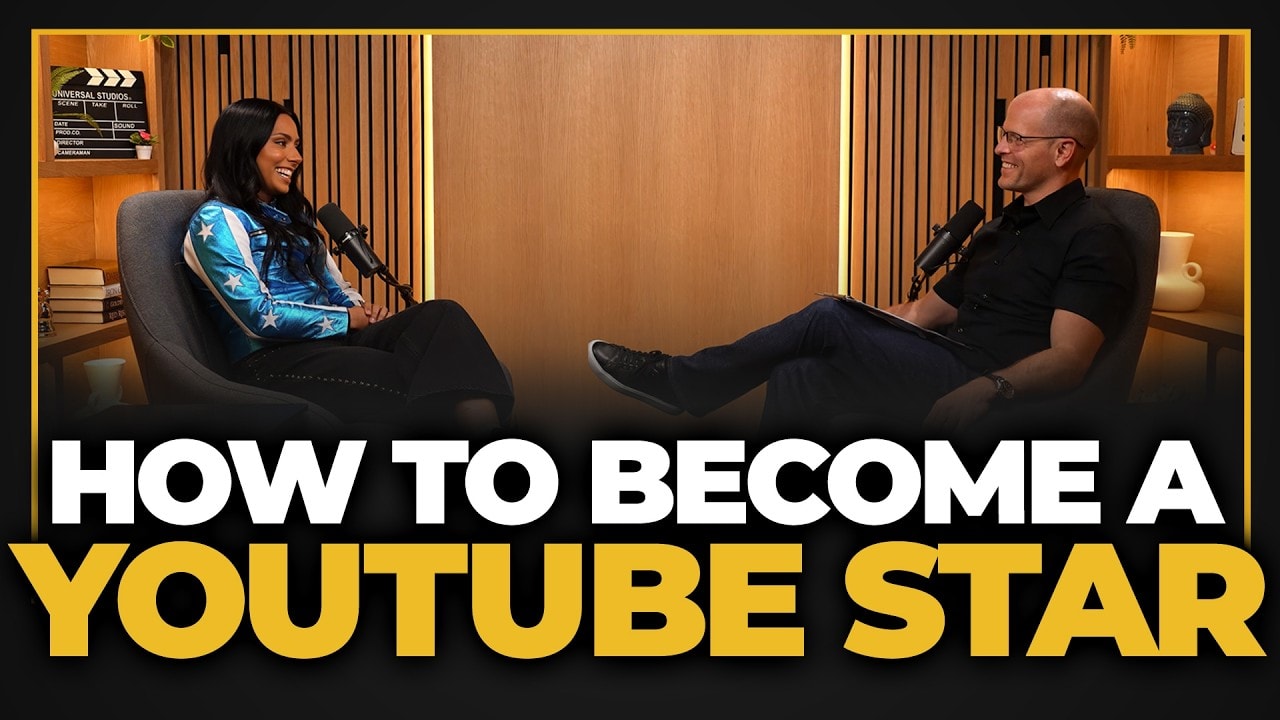
Michelle Khare describes production-team design, clear collaboration requests and learning enough of each craft to lead with understanding. Selected official transcript coverage excludes dangerous stunts, training and health claims, private contact details, financial figures and sponsors. Production examples are her accounts, unverified here. Untimed topics are not video chapters.
The Tim Ferriss Show
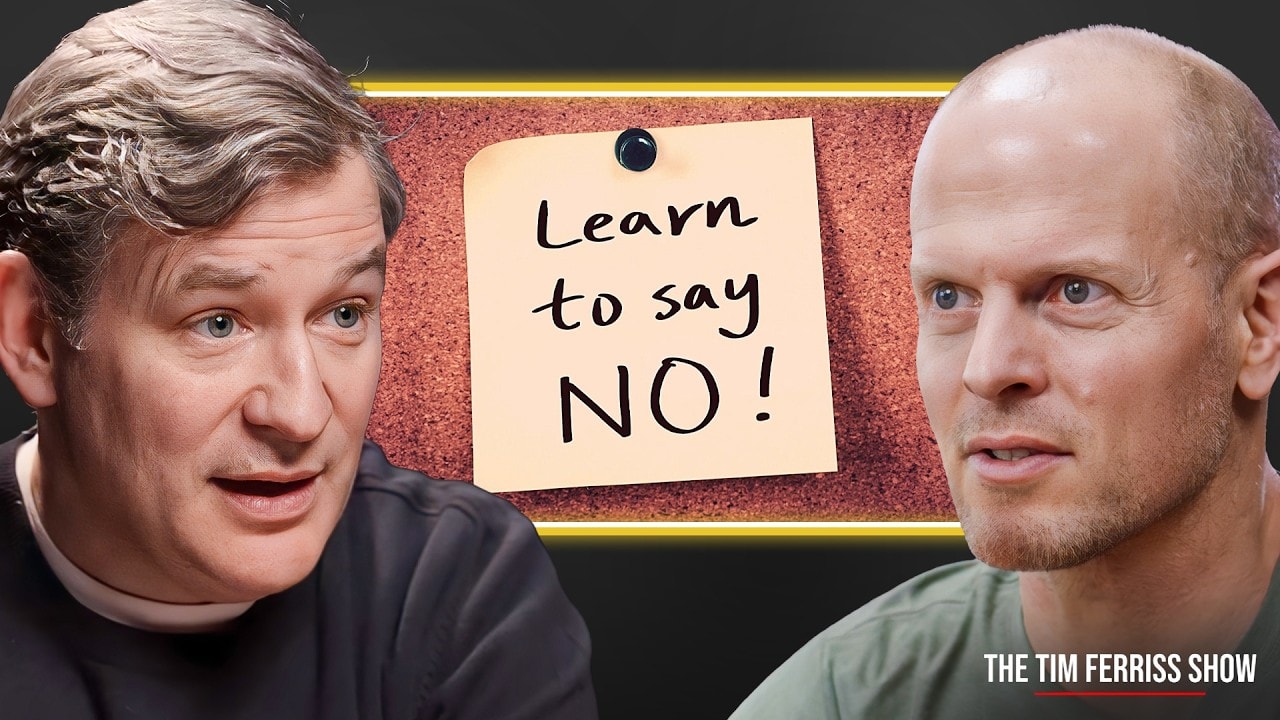
Tim Ferriss Show episode in which Tim Ferriss, interviewed about his in-progress book The No Book, co-written with author Neil Strauss, explains why saying no has become a survival skill. Ferriss describes six years of work on the book, his collection of favorite real rejections including Martha Beck's life Tetris line, and his core argument: people cannot say no because they lack big enough yeses to defend, not because they lack templates. He retells the big rocks story from Stephen Covey with a twist - the sand left on the table - and explains his past year review for choosing the few commitments worth protecting. He warns that algorithmic distraction makes the skill as basic as breathing. This short episode carries no separate sponsor read. PARTIAL COVERAGE: this is a short excerpt-style episode summarized in full from its captions; the sample chapters discussed are available separately. These are Ferriss's own views, not professional advice.
The Tim Ferriss Show
Jim Collins and Tim Ferriss discuss finding work that fits, trusting that fit, uncertainty and making use of lucky opportunities. Collins reflects on routines and choices across a life. These are personal and management perspectives, not guarantees of success, instructions to risk everything or a recommendation to copy his sleep schedule.
The Tim Ferriss Show
Tish Rabe describes ending-first writing, educational goals, rhythm and researching simple explanations for children. Selected official transcript coverage excludes quoted song lyrics and book passages, unverified learning-effect claims, health topics, sales figures and availability advice. Creative accounts are her recollections. Untimed editorial topics are not video chapters.
The Tim Ferriss Show
Tim Ferriss Show episode in which Tim Ferriss talks in person with Jordan Jonas, champion of the survival series Alone, about the art of survival drawn from years living with Evenki nomads in Siberia. Jonas explains why the one tool you need is an axe, and details the one he designed: a single-bevel Siberian head that bites instead of deflecting, a wide eye so the handle tightens with every swing, and field-repairable like a tomahawk. He walks through making feather-stick fire curls from dry inner wood of a standing dead tree during a downpour, why lighters fail exactly when needed and a ferro rod earns its place, and recounts a wolverine boldly stealing meat in front of him. The conversation ranges across Russia, freight-train years and what 77 days alone actually teaches. No separate sponsor read appears in this episode. PARTIAL COVERAGE: this long conversation is summarized from its caption highlights; the Russia sections and many stories are not covered. These are the guest's own accounts, not independently verified, and wilderness activities described carry real risk - get proper training.
The Tim Ferriss Show
A Tim Ferriss Show conversation with country singer Tim McGraw about taking charge of a long career, what stays constant in songs, recovering from back surgery, his training habits and how he came to know his biological father. PARTIAL COVERAGE: the episode runs about 118 minutes and the available caption text is cut off, so this summary covers roughly the first 40 percent plus a stretch near the end of the caption, and not later topics. Sales figures and personal accounts are McGraw's own. This is a summary of his views, not medical or financial advice.
The Tim Ferriss Show
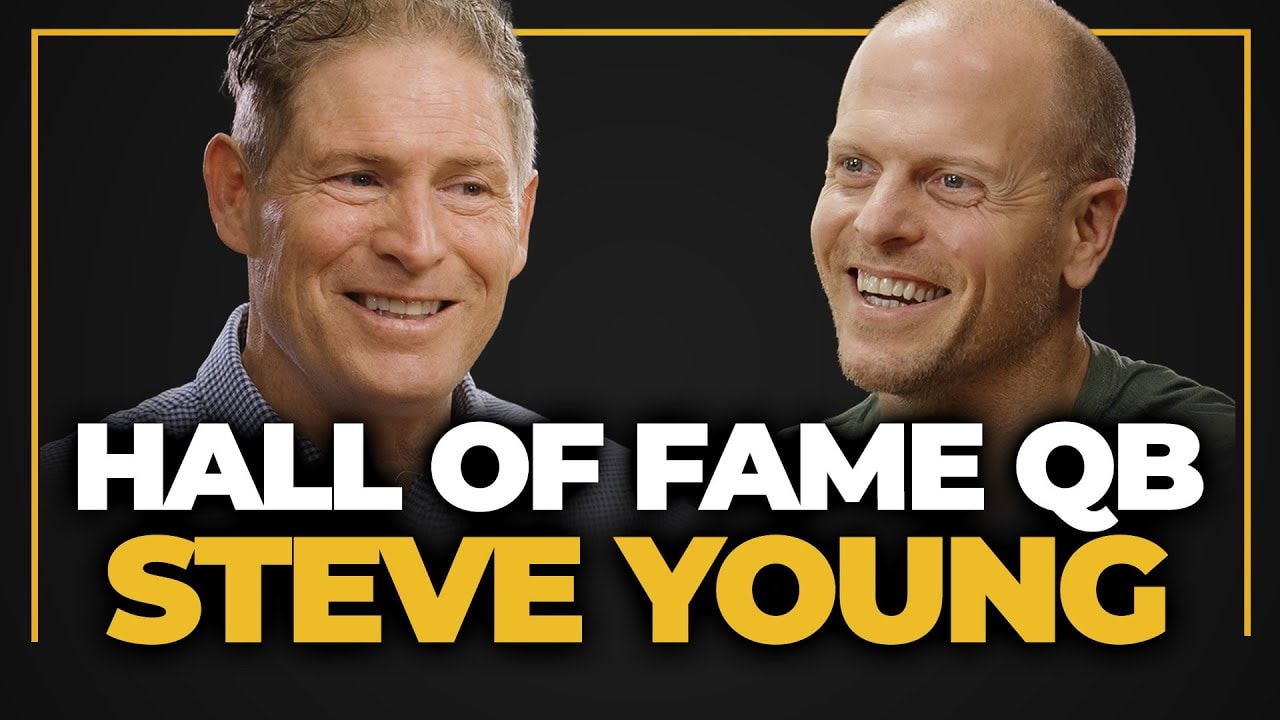
Tim Ferriss Show episode with no sponsor read, in which Tim Ferriss talks with Steve Young, Hall of Fame quarterback and Super Bowl MVP who became co-founder of a private equity firm managing billions, about navigating radical phase shifts. Young tells the story of transforming his own fear-based play: after a season spent wanting to exercise that fear, he ran up to Cowboys quarterback Troy Aikman before the biggest game and thanked him for showing up - because Young was on a quest to see how good he could get, and he could only find out against the best. Ferriss, who does not follow football, frames the conversation around people who successfully navigate phase shifts, from backing up Joe Montana through a rough 1991 debut, to meeting Stephen Covey through BYU connections, to building a second career in finance. PARTIAL COVERAGE: this summary highlights the mindset and career transitions; the football stories and deal-making details are not covered. These are Young's own views and experiences, not independently verified.
The Tim Ferriss Show
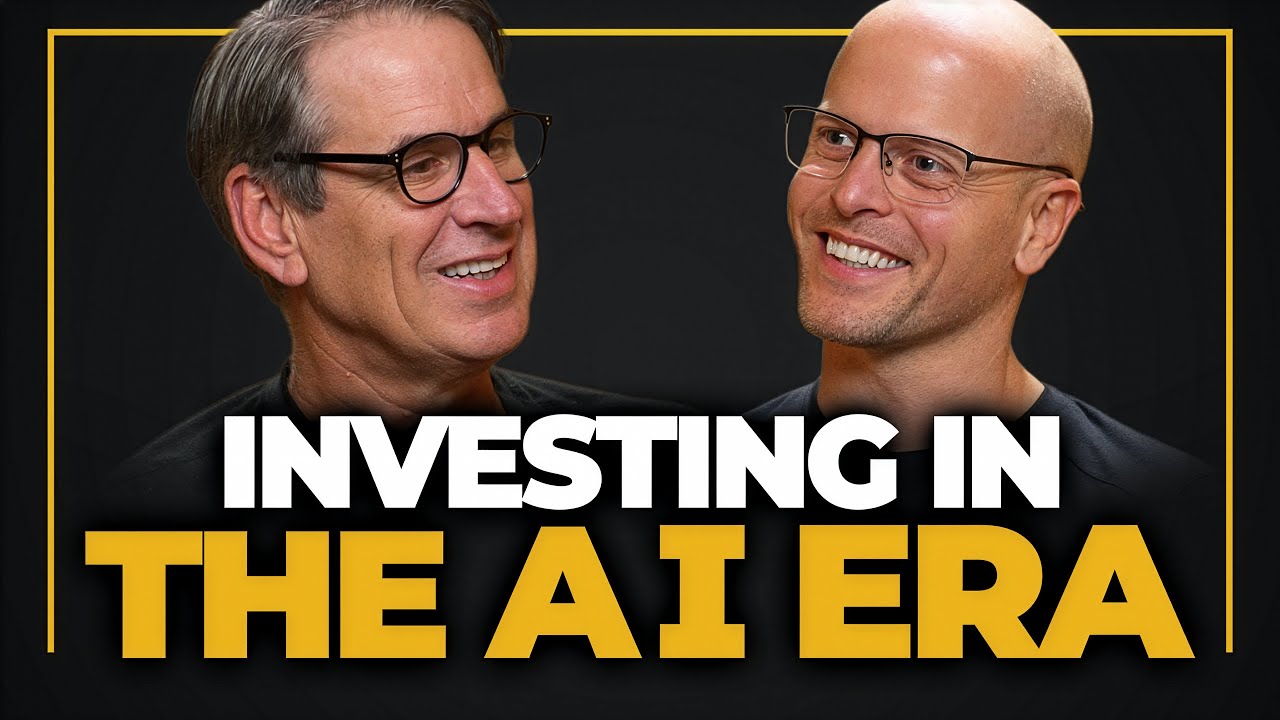
Bill Gurley discusses the permission to pursue a field, deep learning, proximity to active communities and relationships that emerge without a fixed agenda. He also offers a December 2025 interpretation of AI innovation and speculation. These career and investing perspectives are not guaranteed outcomes, verified deal analysis or investment advice.
The Tim Ferriss Show
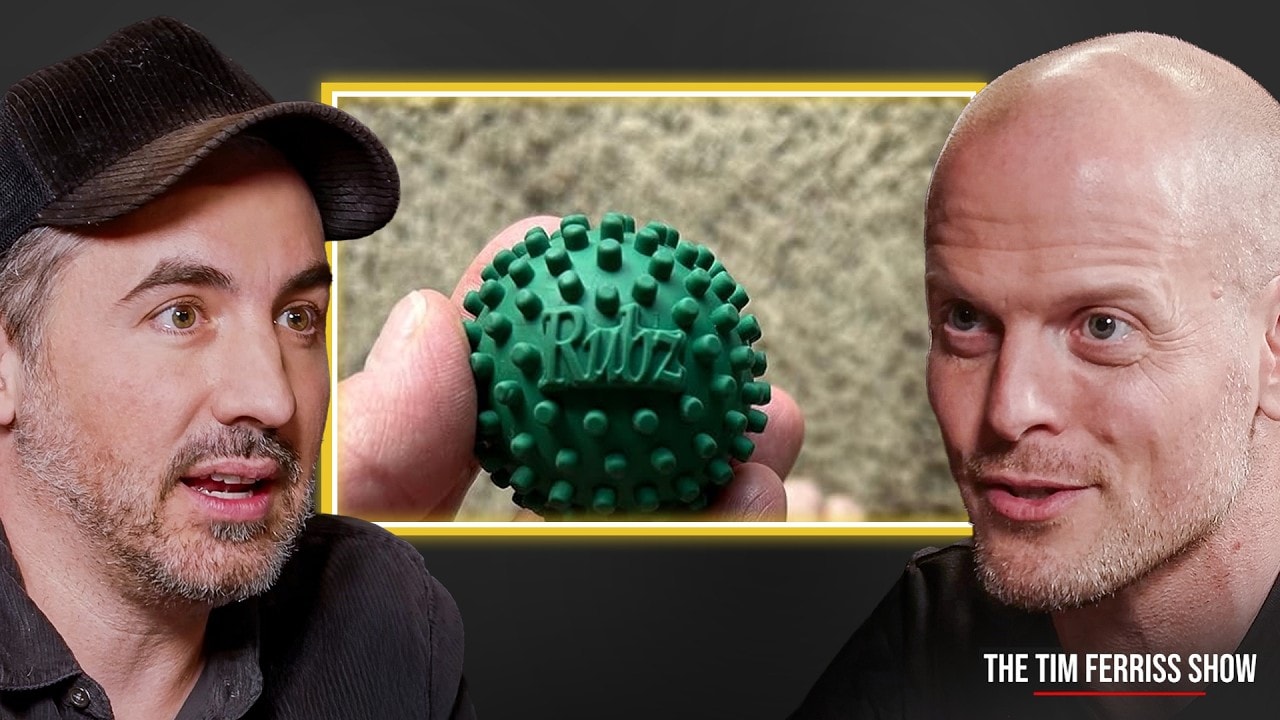
Tim Ferriss Show episode with no sponsor read, a short holiday special in which Tim Ferriss and his guest swap gift ideas under one hundred dollars that they actually use. The picks run from a sub-ten-dollar Rubz foot ball - Ferriss rolls his feet before bed and, citing powerlifter Ed Coan's point that addressing the feet can release tension up the whole kinetic chain, credits it with helping him wind down - to a thirty-eight-dollar set of bonsai Nanoblocks, Lego-style kits a tenth the size that need tweezers and are oddly satisfying to build. On books, both independently love Anthony de Mello: Awareness, a 184-page set of polished lectures Ferriss has gifted to at least fifty people and keeps a shelf of in his guest room, and Stop Fixing Yourself, whose audiobook narration they praise, with the caveat that Awareness should come first and reads like a talk rather than a book. PARTIAL COVERAGE: this summary highlights the standout picks; the full gift list is not covered. These are the hosts' own preferences, not independently verified.
The Tim Ferriss Show
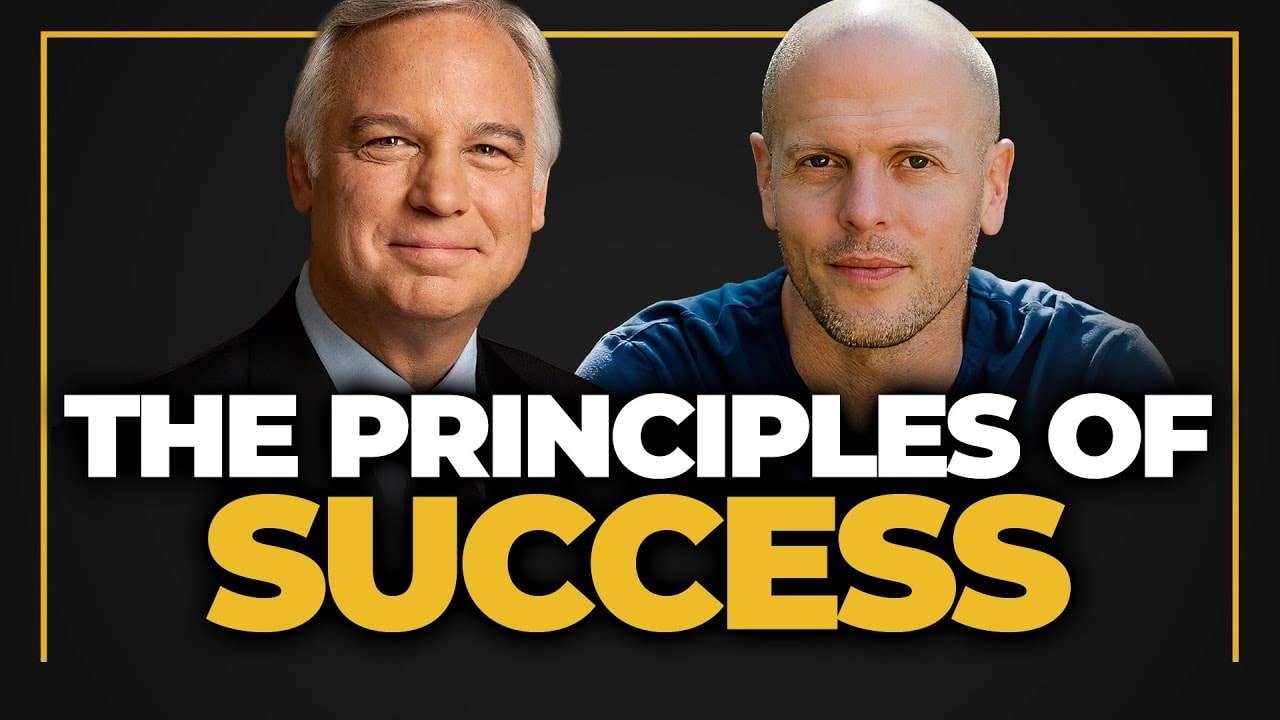
A Tim Ferriss Show conversation with author and speaker Jack Canfield, co-creator of Chicken Soup for the Soul, about his early life, the China publishing deal and how he built a publishing career. PARTIAL COVERAGE: the episode runs about 98 minutes and the available caption text is cut off, so this summary covers only roughly the first 60 percent, up to his move to The Success Principles. Sales figures and personal accounts are Canfield's own claims.
The Tim Ferriss Show
Tim Ferriss Show episode with no sponsor read, in which Tim Ferriss welcomes back Boyd Varty, the South African lion tracker, storyteller and author, for a second round of improvised stories and the philosophy underneath them. Varty's core claim: all roads in personal transformation lead inside - you already hold the information the way lions know how to be lions, so the work is subtractive, making space for it to come forward, and the practice is learning to follow the nonrational energy of people, places and experiences that make your body feel expansive and alive, which he calls the ultimate tracking. The stories include his twenties leading an elite firefighting unit on the family reserve after a French Foreign Legionnaire whose confidence projected a twenty-yard radius, and the paper-mache lion bought to scare buffet-raiding vervet monkeys that instead cost the team one very unlucky Lucky for two and a half hours. PARTIAL COVERAGE: this summary highlights the philosophy and two stories; the rest are not covered. These are Varty's own views and stories, not independently verified.
The Tim Ferriss Show
Frank Miller describes pictures and words as one craft, flexible storytelling, influences and making complex material simple. Selected official transcript coverage excludes violent plot details, health and addiction claims, financial figures, political interpretations and sponsors. Creative accounts are his views and recollections. Untimed editorial topics are not video chapters.
The Tim Ferriss Show
A Tim Ferriss Show conversation with Nobel-winning economist Richard Thaler, founder of behavioral economics, about what economics assumes, why people are not the perfectly rational 'agents' in textbooks, and how this applies to pricing, savings and mental accounting. PARTIAL COVERAGE: the episode runs about 118 minutes and the available caption text is cut off, so this summary covers roughly the first 40 percent, up to the discussion of mental accounting, and not the later topics. Examples and figures are the speakers' own. This is a summary of their views, not financial advice.
The Tim Ferriss Show
David Senra discusses reading biographies, tracing influences, researching stories and protecting a focused creative practice. Selected official transcript coverage excludes investment advice, market-share and revenue claims, health and trauma topics, politics and extreme work prescriptions. Historical examples are his recollections and interpretations. Untimed editorial topics are not video chapters.
The Tim Ferriss Show
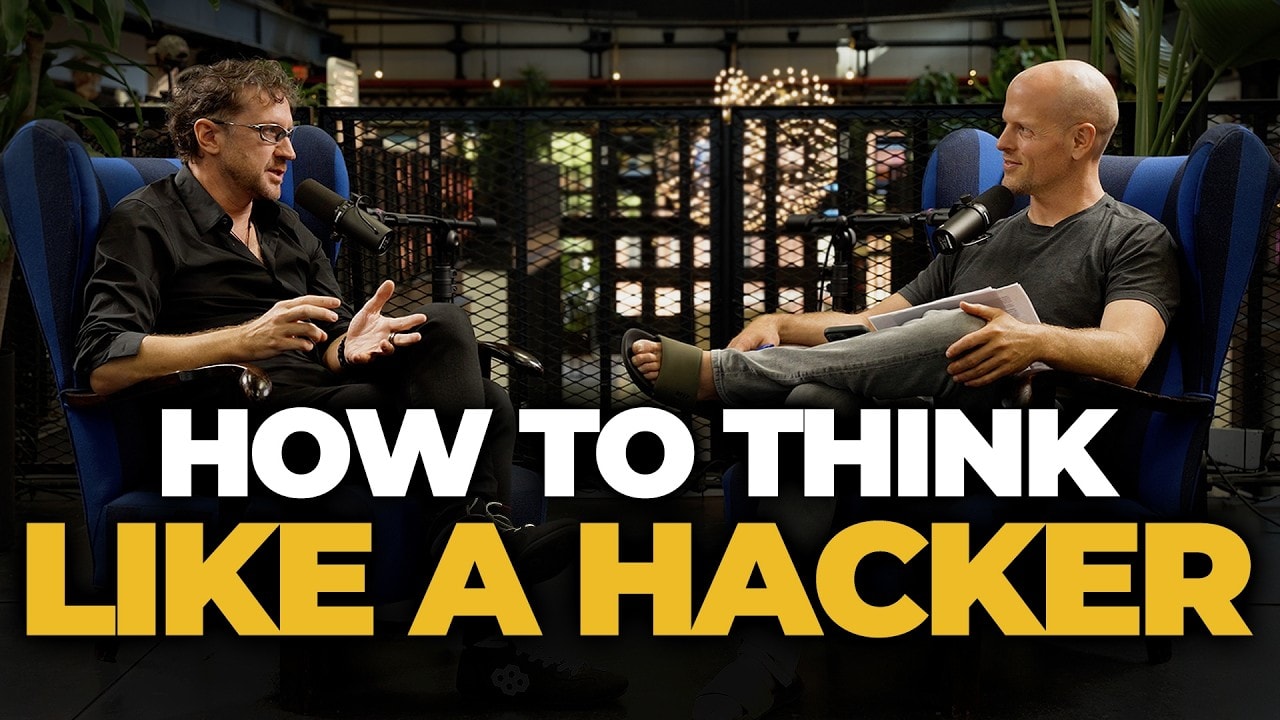
Tim Ferriss Show episode with no sponsor read, in which Tim Ferriss talks with Pablos Holman, the hacker and inventor Ferriss calls one of the scariest he has met, about a career built on extreme risk tolerance and curiosity. Holman's self-summary: he has only worked on things he thought were cool or interesting, optimizing for that over everything, going broke more than once on ideas that were too soon, too cool or too expensive - and he asks why anyone would overoptimize for safety at a big company instead. Ferriss replays the 2008 conference demo where Holman, like an evil Las Vegas magician, spoofed caller ID to hijack the organizer's voicemail live, bumped a front-door lock with a filed key, and skimmed a volunteer's RFID credit card with an eight-dollar reader bought on eBay. On the term hacker: someone attracted to puzzles, drawn to security because it is a bottomless pit of them - and his mission now is hacking everything but computers and rescuing hackers from the security department to attack bigger problems. PARTIAL COVERAGE: this summary highlights the mindset and origin stories; the invention portfolio is not covered. These are Holman's own views and stories, not independently verified.
The Tim Ferriss Show
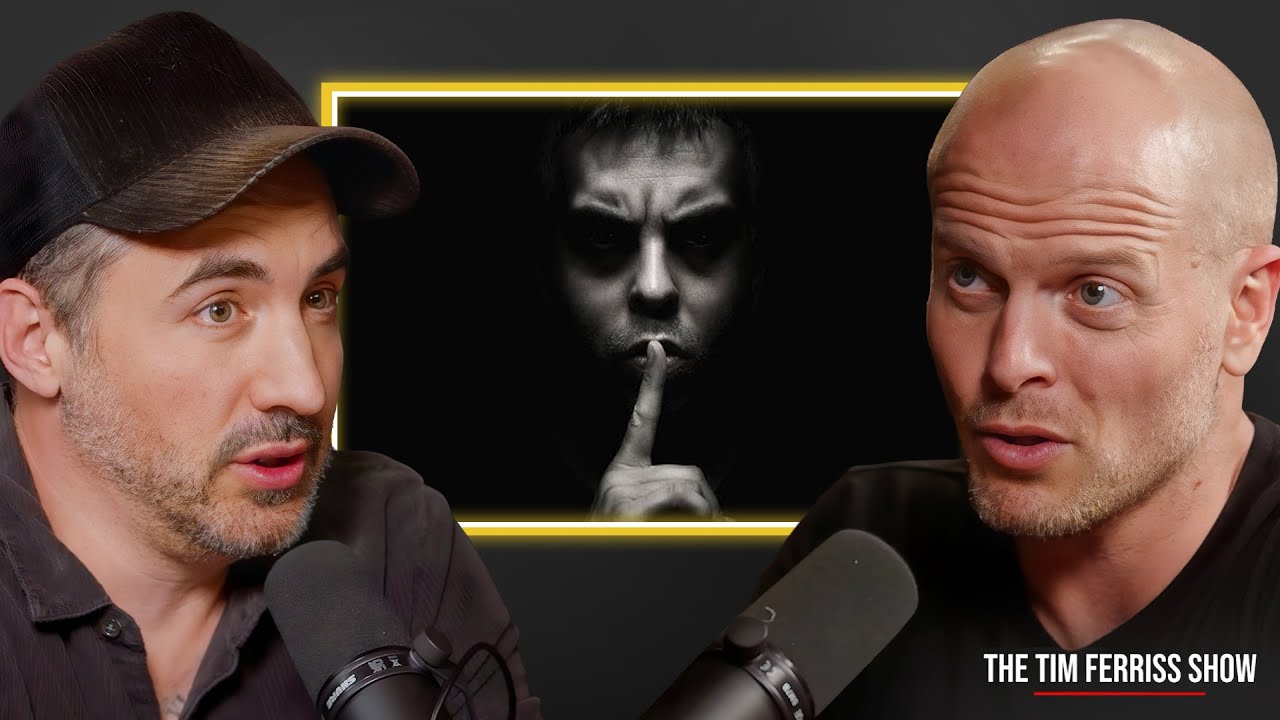
Tim Ferriss Show episode with no sponsor read, a short conversation that starts with an astonishing story: while touring an empty new-build house after losing his home in the California fires, Ferriss's guest opens a closet and finds a squatter living inside - a polite car-wash worker earning five hundred dollars a month who made the bed daily, did his laundry there, and bragged about the mansions he had crashed in. That encounter reframes the topic: modern home security. Ferriss's approach starts upstream, with a Desmond Tutu paraphrase - instead of getting good at pulling people out of the river, ask why they fall in - so step one is choosing where you live carefully and guarding privacy: buy a home through an entity, never ship anything to your home address, and assume even micro-fame makes you findable, because with a few thousand followers, all it takes is one crazy one. PARTIAL COVERAGE: this summary highlights the story and privacy doctrine; the gear discussion is not covered. These are the hosts' own experiences and views, not professional security advice.
The Tim Ferriss Show
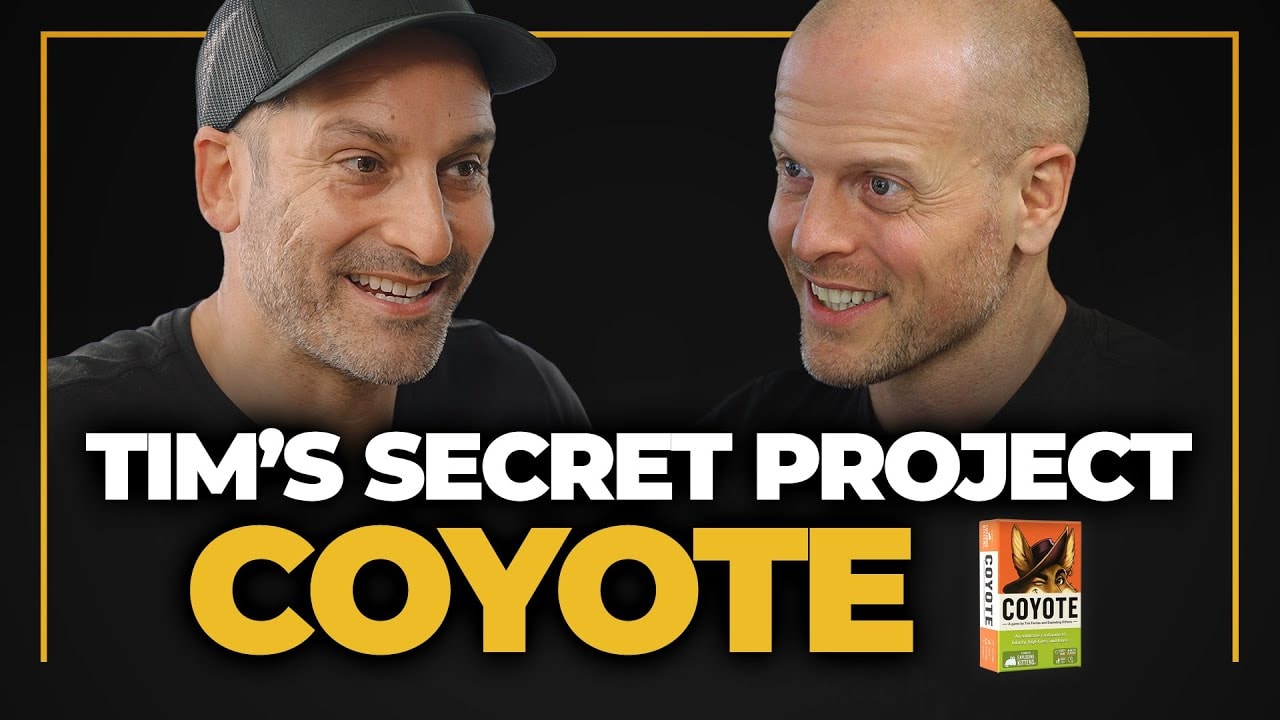
Tim Ferriss Show episode with no sponsor read, in which Tim Ferriss sits down with Elan Lee, co-creator and CEO of Exploding Kittens - sixty million games sold - and former chief design officer at Xbox, to reveal the secret two-year project that grew out of Lee's first appearance: Coyote, Ferriss's own card game. Lee describes it as rock paper scissors on steroids - twenty gestures, sixty-six cards, playable cooperatively or with sabotage, named for the trickster mythology - and Ferriss admits the name alone took about five hundred seventy-three candidates and heavy testing. The conversation opens the whole curtain on building a bestseller from nothing: the creative process, development, distribution and retail. Lee's brainstorming rule anchors the craft talk: do not lock your head on finding one particular thing, because you will almost never find it - stay open to something, anything, and tweak it later, and brainstorming becomes a pleasure. Ferriss traces his own path from Dungeons and Dragons refuge to realizing an RPG was too complex for adult friends with one free hour. PARTIAL COVERAGE: this summary highlights the creative principles; the distribution and retail detail is not covered. These are the hosts' own experiences and views, not independently verified.
The Tim Ferriss Show
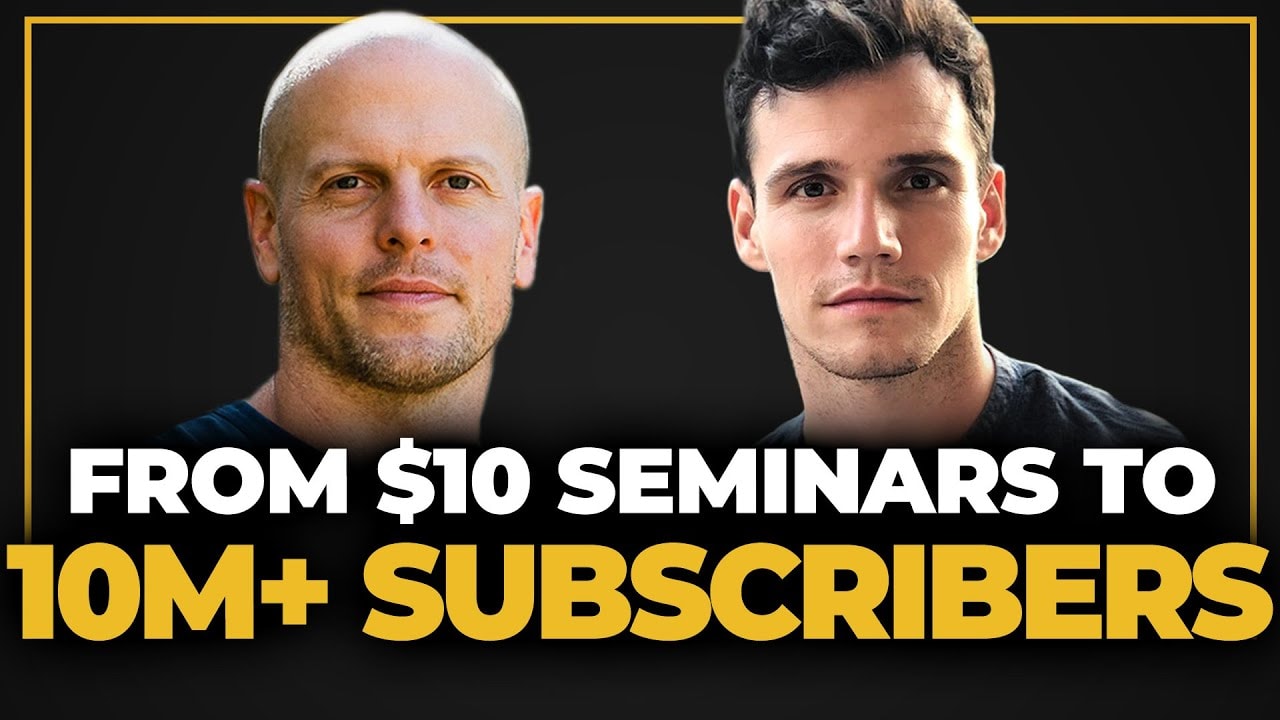
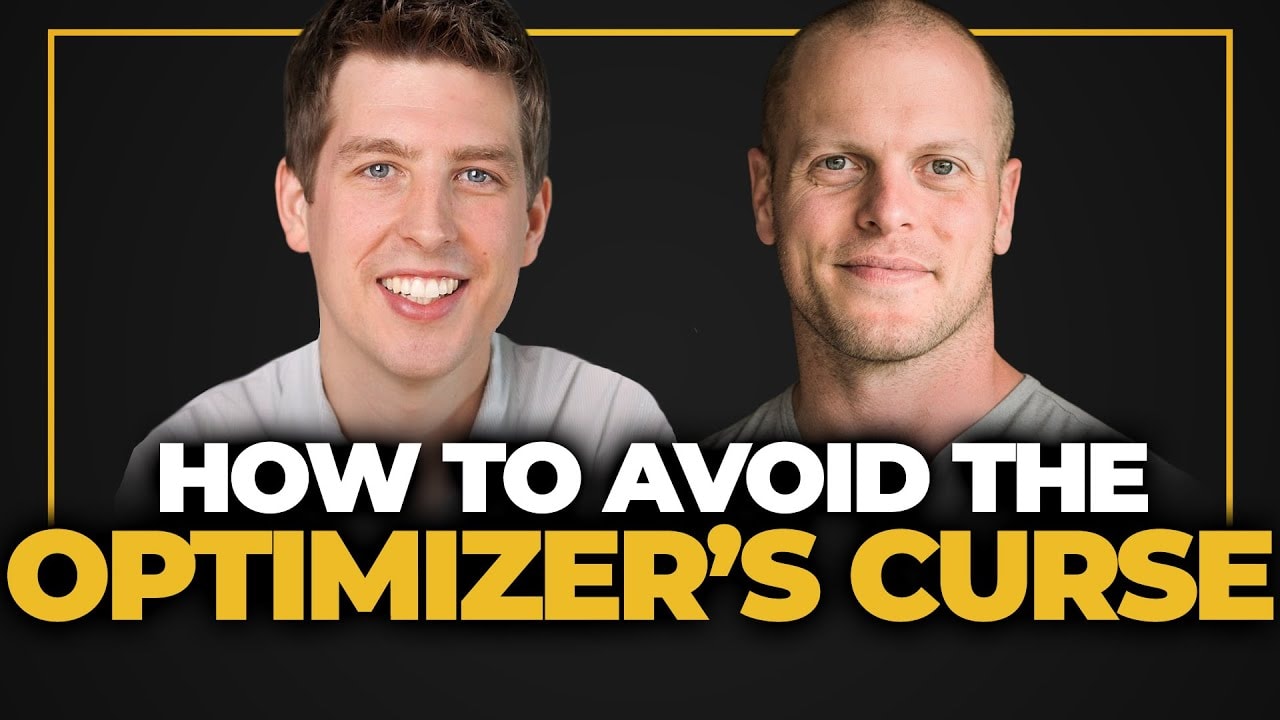
Tim Ferriss Show episode with no sponsor read, in which Tim Ferriss talks with Charlie Houpert, founder of Charisma on Command, a channel grown past ten million subscribers, about the unlikely path from management consulting to charisma educator. The thread is a 2011 DC restaurant encounter: Houpert, a six-month 4-Hour Workweek evangelist with nothing sold, froze when Ferriss walked in, stumbled through a hello, and spent ten years replaying it - the inception seed of his work on connection, and a lesson in the projected belief that one blog feature would solve everything. The sharper story is his coach Jay Abraham's test: asked who he most wanted taking his course, Houpert named Ferriss - then admitted he would not want him to take it, because it was not good enough. Abraham's answer: make it good enough. PARTIAL COVERAGE: this summary highlights the origin stories; the charisma techniques and channel mechanics are not covered. These are Houpert's own views and experiences, not independently verified.
The Tim Ferriss Show
Tim Ferriss Show episode with no sponsor read, in which Tim Ferriss brings his own Frankenstein pile of accumulated points and miles to Chris Hutchins, the deal master who treats arbitrage as a way of life, for a practical session on spending them well. Hutchins's opening math reframes the game: San Francisco to Tokyo for 37,000 points sounds abstract until you learn those same points redeem for only about 222 dollars of Amazon gift cards - and a Lisbon business-class seat at 45,000 points beats any cash fare you will find. Ferriss confesses the common stance: he assumes his points are basically worthless, suspects he lost a sucker's game where the house always wins, and gives up every couple of years. Hutchins grounds the talk with his own scale - three hundred thousand dollars of Costco gold and over a million in gift cards in one January - and his one-line identity: he really likes the arbitrage of anything. PARTIAL COVERAGE: this summary highlights the framing and headline examples; the program-by-program detail is not covered. These are Hutchins's own methods and figures, not independently verified, and nothing here is financial advice.
The Tim Ferriss Show
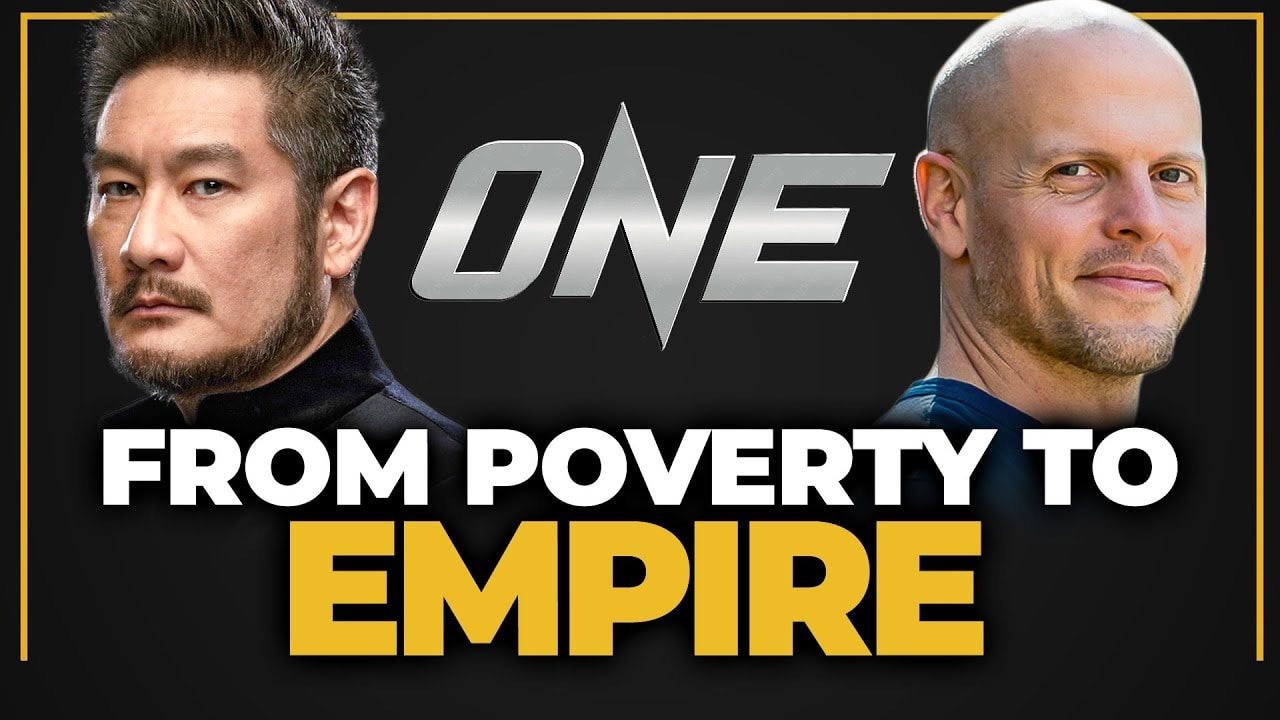
Tim Ferriss Show episode with no sponsor read, in which Tim Ferriss talks with Chatri Sityodtong, founder and CEO of ONE Championship, Asia's top-ten sports-media franchise, about the road from poverty to building it. Chatri grew up well-off in Thailand, a Muay Thai-obsessed kid whose father took him to Lumpini Stadium at nine - until the father's real estate business collapsed in the Asian financial crisis, went bankrupt, and abandoned the family, leaving Chatri angry and the family with nothing. His martial arts identity runs deep: his last name was bestowed by his grandmaster Kru Yodtong in the Thai tradition where fighters carry their gym's name, and Yodchatri Sityodtong means extraordinary warrior, student of Yodtong - a name he prefers precisely because of his complicated history with his father. His daily creed is the warrior mindset: you discover things about yourself you never knew existed only through love, pain and suffering, and he seeks that process every day. PARTIAL COVERAGE: this summary highlights the origin story; the ONE Championship business story is not covered. These are Chatri's own views and experiences, not independently verified.
The Tim Ferriss Show
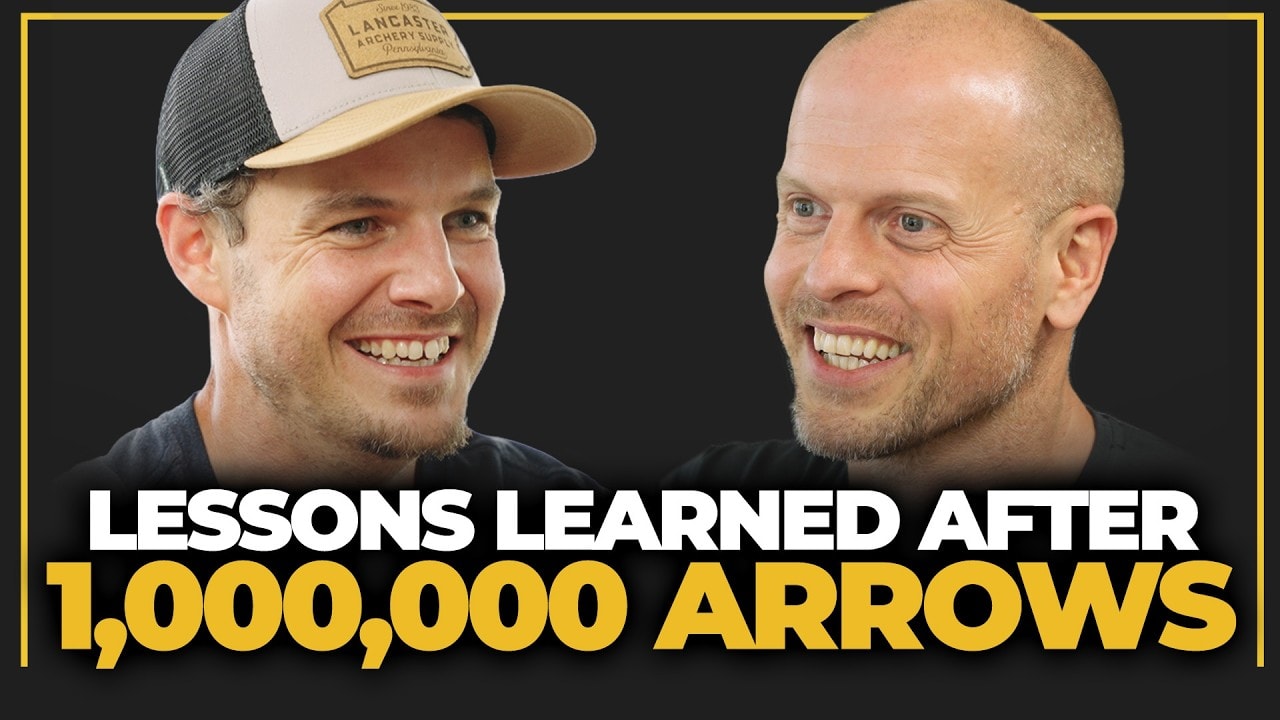
Tim Ferriss Show episode with no sponsor read, in which Tim Ferriss talks with Jake Kaminski, two-time Olympic archery medalist and his own coach, about what a million arrows teach about high performance - a conversation Ferriss insists transcends archery for anyone who will never fling one. Kaminski defines the sport as hyper precision: working with a machine to produce the exact same result every time at seventy meters, where the arrow arcs twelve feet in the air, there is no magnification or rear sight, and the ten ring is a CD-sized circle whose repeatable margin of error is the ball of a ballpoint pen. His training stories are pure old school: coach Harry Stabbel flinging a metal ashtray onto concrete at full draw to teach composure, and holding an open pocket knife under his bow arm to cure dropping it. He has even hit the ten ring from three-quarters of a football field while balancing on an Indo board. PARTIAL COVERAGE: this summary highlights the performance lessons; the technique detail is not covered. These are Kaminski's own views and experiences, not independently verified.
The Tim Ferriss Show
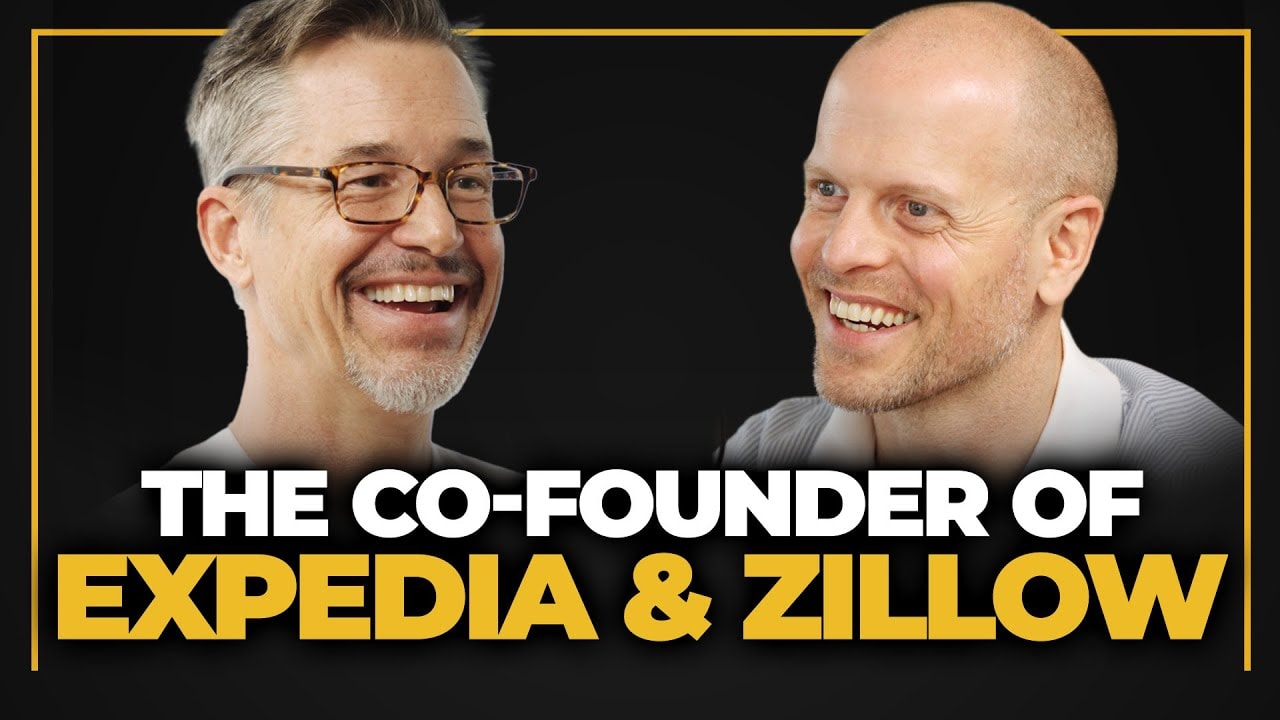
Rich Barton discusses creating consumer products that people talk about, choosing a memorable name, learning from a failed Microsoft project and coaching company founders. Selected product, marketing and organization passages only; health, politics and unrelated personal material omitted. Company histories and marketing judgments are his account, not guarantees. Metadata uses the linked YouTube version; sections are untimed. Short quotes credited to The Tim Ferriss Show (https://tim.blog/podcast); official transcript: https://tim.blog/2025/04/19/rich-barton-transcript/
The Tim Ferriss Show
Ev Williams reflects on stopping Odeo, the experiments that became Twitter and the cost of building too much at Medium. Selected product and company-building discussion only; AI, mental-health practices and personal material omitted. Historical stories and Mozi examples are his 2025 account, not current verified product policies. Metadata uses the linked video; topic sections are untimed. Short quotes credited to The Tim Ferriss Show (https://tim.blog/podcast); official transcript: https://tim.blog/2025/03/21/ev-williams-transcript/
The Tim Ferriss Show
Seth Godin discusses strategy through systems, time, games, empathy and a clearly chosen audience. Selected official transcript coverage excludes political, climate-policy, financial and AI claims, clinical material and unrelated passages. Business examples are his views, not promised outcomes. Untimed editorial topics are not video chapters. Original transcript: https://tim.blog/2025/01/31/seth-godin-strategy-transcript/
The Tim Ferriss Show
Derek Sivers talks with Tim Ferriss about changing his mind, curiosity around disagreement, simplicity and travel as experiencing ways of life. His examples invite reflection on harmless preconceptions and personal motives, not ignoring real danger or turning his choices into universal advice.
The Tim Ferriss Show
Reed Hastings discusses asking for dissent, making workplace expectations visible and checking whether a competitive initiative helps the core business. Selected workplace coverage, not the entire conversation. Marriage counseling, education policy, adult-content examples and unrelated personal passages omitted. Employment and commercial examples are the guest's historical account, not current Netflix policy or legal advice. Date is this video's YouTube publication date. Untimed topics are not video chapters. Original transcript: https://tim.blog/2024/04/05/reed-hastings-transcript/
The Tim Ferriss Show
Seth Godin and Tim Ferriss discuss a sustainable writing series, daily drafting and publication as service to a reader. Selected official transcript writing coverage excludes clinical and health claims, financial and AI claims and unrelated personal material. Practice descriptions are Godin's account, not guaranteed results. Date is this video's YouTube publication date. Untimed editorial topics are not video chapters. Original transcript: https://tim.blog/2024/03/22/seth-godin-3-transcript/
The Tim Ferriss Show
David Maisel recounts the argument for Marvel to produce its own films, secure the necessary rights and use smaller projects to show capability. Selected creative-business passages only; film violence, political figures, health and NFT promotion omitted. Financing and company history are his retrospective account, not independently verified deal advice. The metadata follows the linked YouTube edit, not the longer audio feed. Topic sections are untimed. Short quotes credited to The Tim Ferriss Show; official transcript: https://tim.blog/2023/06/08/david-maisel-marvel-transcript/
The Tim Ferriss Show
Kevin Kelly talks with Tim Ferriss about a niche audience, active optimism, creative rest and becoming yourself. He argues for finding a distinctive contribution instead of competing only to be the best. The discussion reflects his personal advice and technology outlook in April 2023.
The Tim Ferriss Show
Danny Meyer discusses curiosity, hospitality and distinguishing skill from willingness when supporting a team. Selected official transcript coverage excludes termination recommendations, legal and employment advice, compensation and tax claims, health topics and financial figures. Historical business examples are his recollections and views. Untimed editorial topics are not video chapters. Original transcript: https://tim.blog/2023/04/10/danny-meyer-transcript/
The Tim Ferriss Show
James Clear and Tim Ferriss discuss reflection, habit systems, identity, creative work and changing behavior. Clear describes ways to reduce friction and build small repeatable actions. These are his practical frameworks and personal examples, not guarantees of results; the source video notes technical difficulties and camera video beginning at31:00.
The Tim Ferriss Show
Luis von Ahn discusses making a mission constrain choices, organizing around outcomes and using role-specific hiring evidence. Selected 2022 speaker accounts, not current Duolingo policies, prices, hiring practices or company figures. AI, personal topics and exam-cheating material are omitted. Historical growth accounts are attributed, not promised results. Untimed editorial topics are not video chapters. Source: https://tim.blog/2022/07/18/luis-von-ahn-transcript/
The Tim Ferriss Show
Tim Ferriss and Chris Hutchins discuss a bounded podcast experiment, sustainable format, recording fallbacks and learning through editing. Selected official transcript production coverage excludes finances, health, politics, current equipment recommendations and audience figures. Historical accounts are their recollections. Untimed editorial topics are not video chapters. Original transcript: https://tim.blog/2021/10/18/how-i-built-the-tim-ferriss-show-podcast-transcript/
The Tim Ferriss Show
Michael Dell discusses engineering mistakes, supply-chain learning and designing from the customer back. Selected business passages from the official episode transcript only; political and proxy-fight material, health and AI forecasting omitted. Company accounts are his retrospective views, not current verified operating facts. The linked YouTube edit is shorter than the audio-feed duration; metadata uses the video, while topic sections remain honestly untimed. Short quotes are attributed to The Tim Ferriss Show; full transcript: https://tim.blog/2021/09/28/michael-dell-transcript/
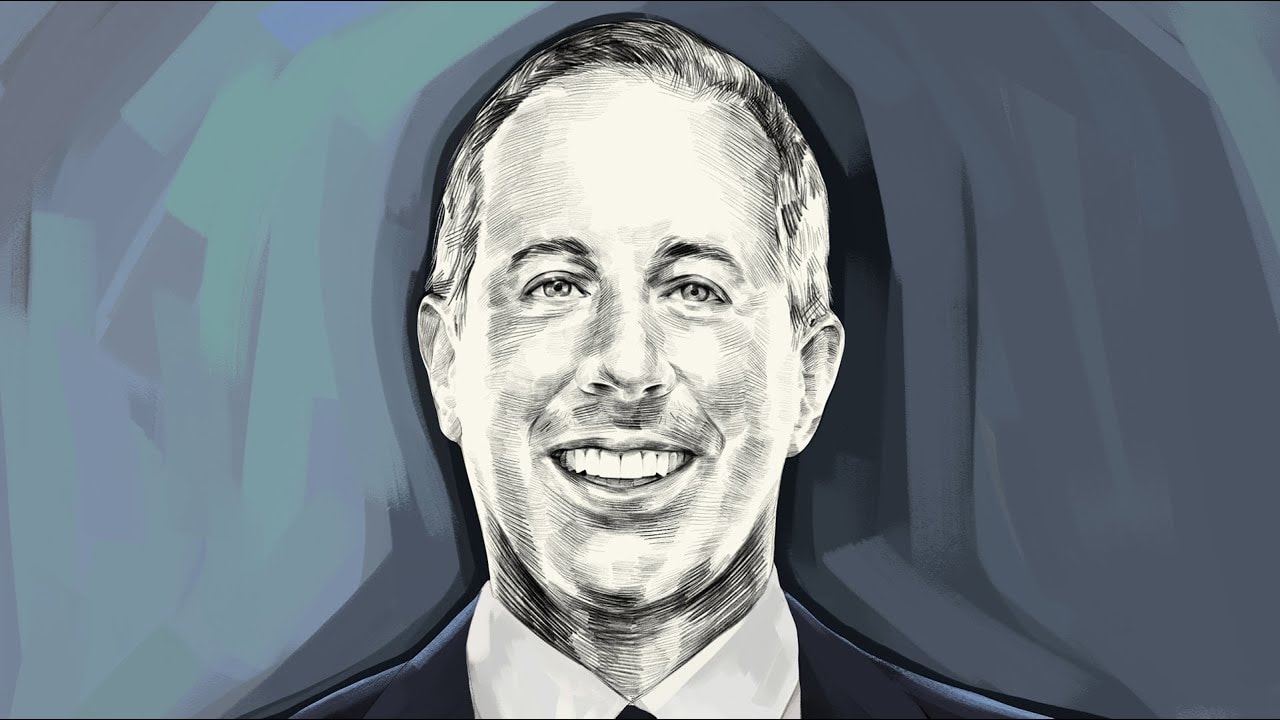
The Tim Ferriss Show
Jerry Seinfeld discusses collecting observations, drafting, refining, live testing and bounded writing sessions. Selected official transcript craft coverage excludes clinical, exercise and medication claims, health routines and unrelated personal material. Practice descriptions are his account, not guarantees of success. Date is this video's YouTube publication date. Untimed editorial topics are not video chapters. Original transcript: https://tim.blog/2020/12/09/jerry-seinfeld-transcript/
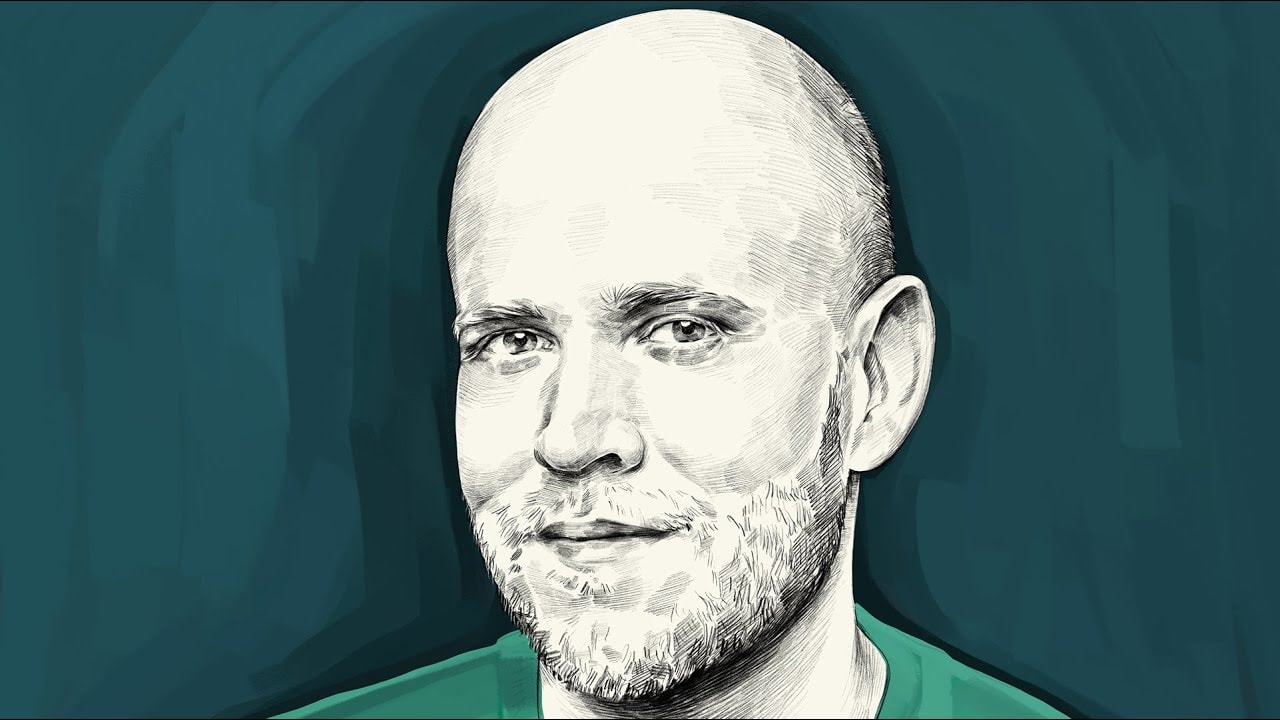
The Tim Ferriss Show
Daniel Ek discusses changing leadership responsibilities, protecting time, designing meetings and working backward from a learning goal. Selected work and organizational passages from the 2020 interview are not current Spotify policy. Health, spirituality, politics, financial and AI claims omitted. Date is this video's YouTube publication date. Untimed editorial topics are not video chapters. Original transcript: https://tim.blog/2020/12/06/daniel-ek-transcript/
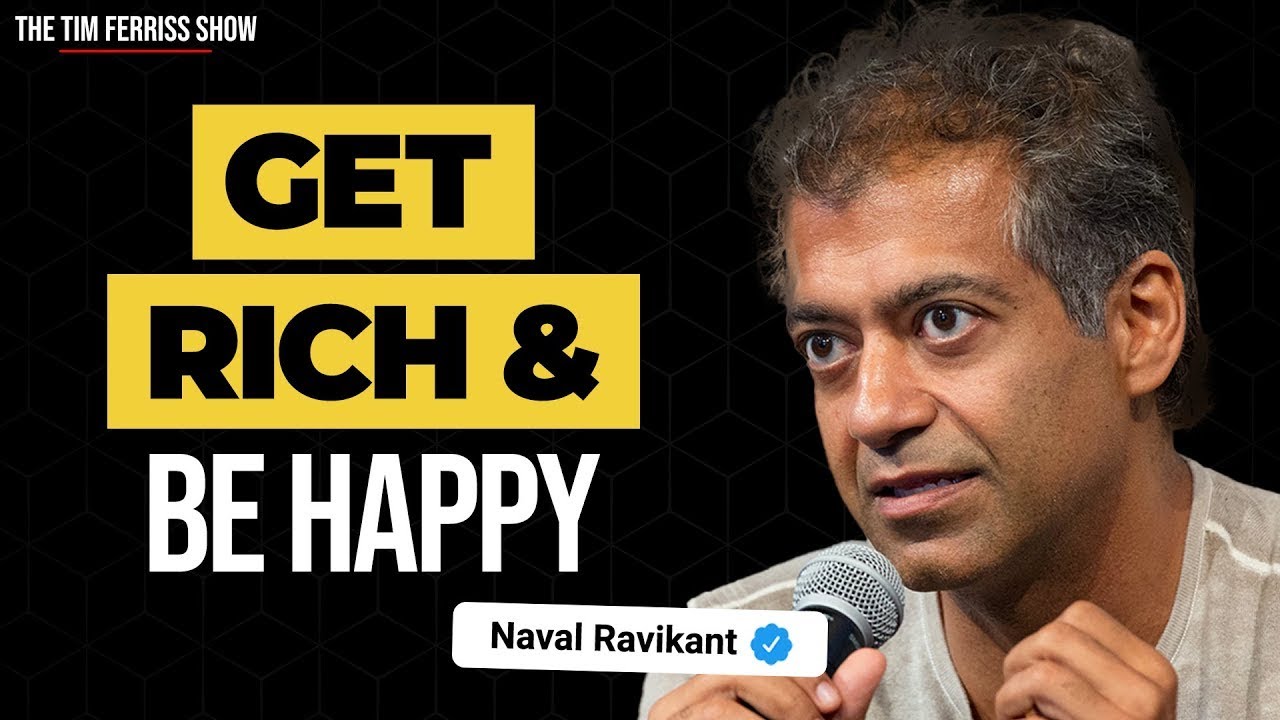
The Tim Ferriss Show
Naval Ravikant talks with Tim Ferriss about ownership, specific knowledge, self-examination and long-term thinking. Wealth-building and mental-health statements are his personal views from October 2020, not investment instructions, clinical explanations or promises of results.
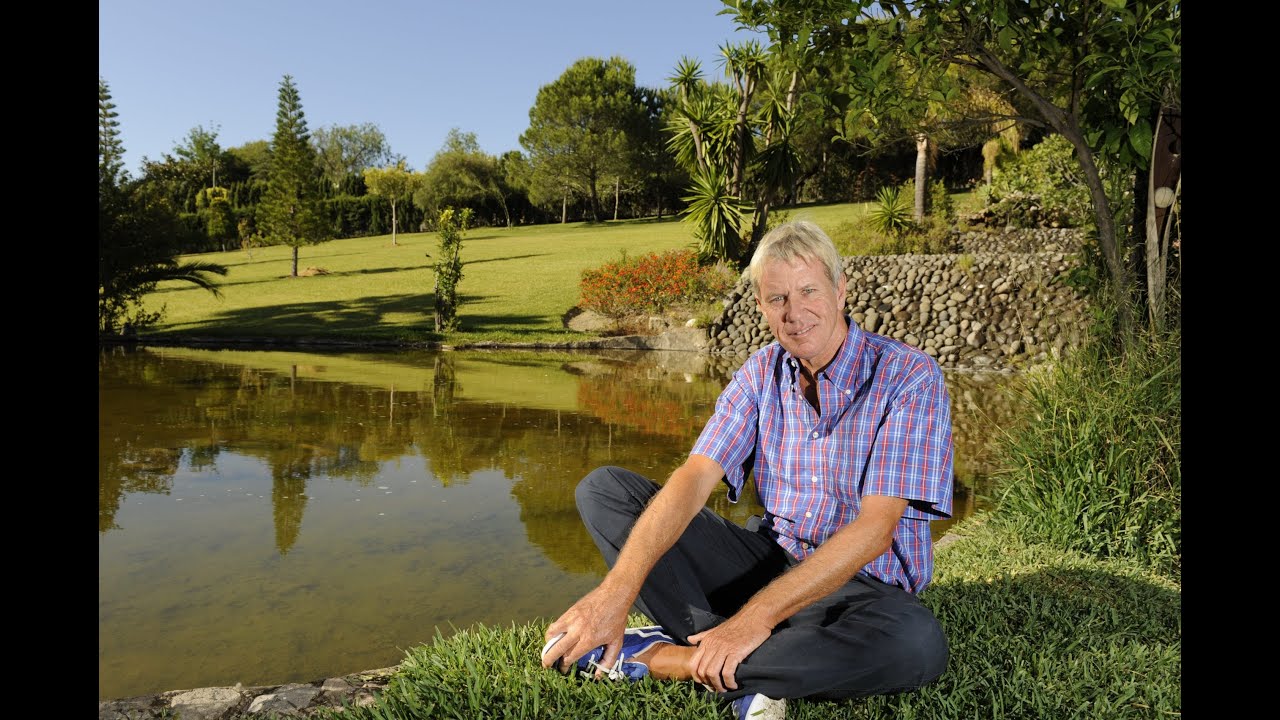
The Tim Ferriss Show
Richard Koch discusses testing the 80/20 hypothesis, organizing knowledge with principles, validating client work and writing concise strategy. Selected work and consulting coverage, not the complete conversation. Gambling, investment prescriptions, political comparisons, health and personal happiness passages omitted. Historical claims are the guest's account. Date is this video's YouTube publication date. Untimed topics are not video chapters. Original transcript: https://tim.blog/2020/09/29/richard-koch-transcript/
The Tim Ferriss Show
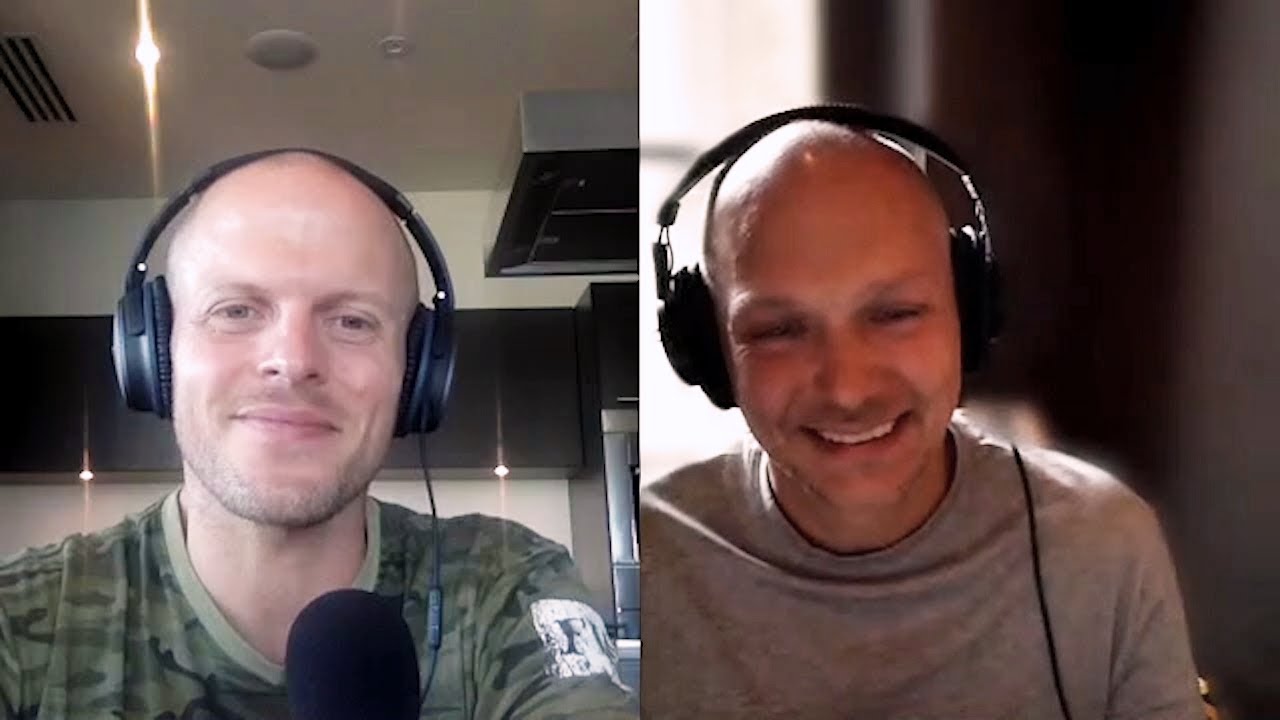
Tony Fadell discusses product timing, customer discipline, learning across functions, clear communication and practical mentorship. Selected official transcript coverage excludes health and climate claims, investment advice, financial figures, family topics and extreme work prescriptions. Historical business examples are his recollections. Untimed editorial topics are not video chapters.
The Tim Ferriss Show
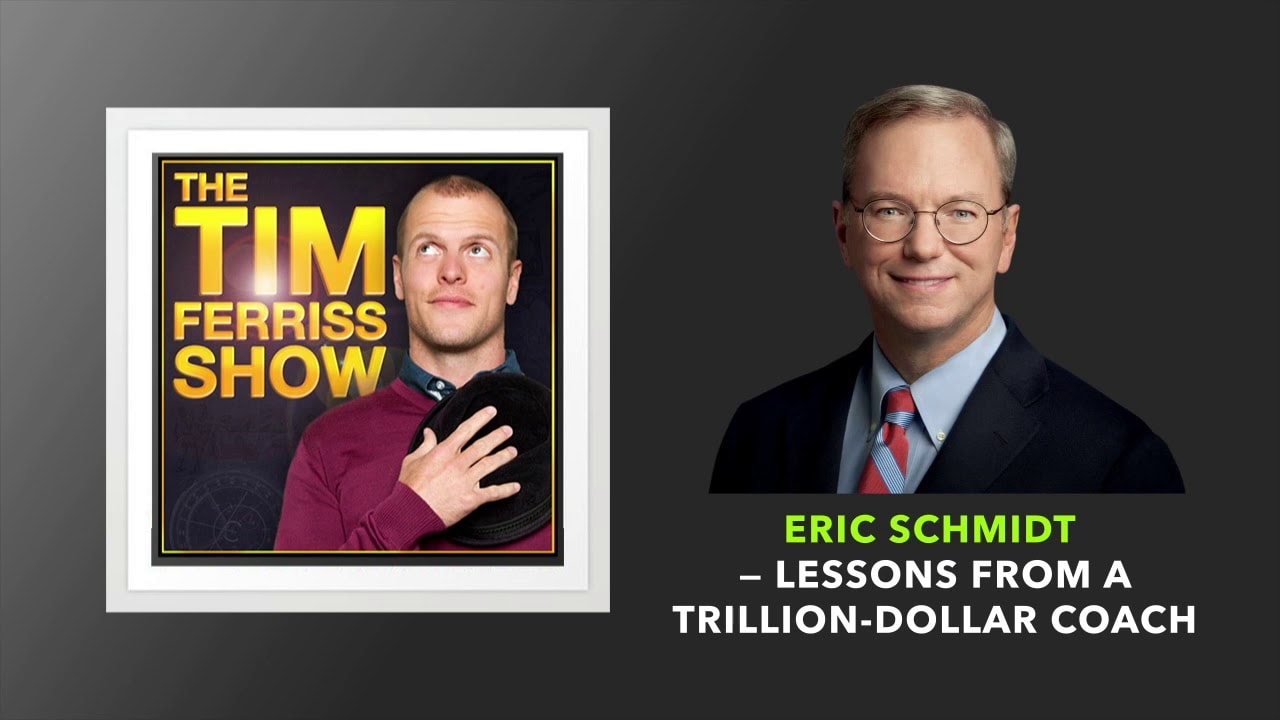
Eric Schmidt recalls Bill Campbell's coaching, listening, honest communication and handling disagreement. Selected 2019 management discussion excludes AI and political claims, health topics, financial figures, employment advice and continuous-work prescriptions. Historical accounts are Schmidt's recollections. Date is this video's YouTube publication date. Untimed editorial topics are not video chapters. Original transcript: https://tim.blog/2019/04/11/the-tim-ferriss-show-transcripts-eric-schmidt-367/
The Tim Ferriss Show
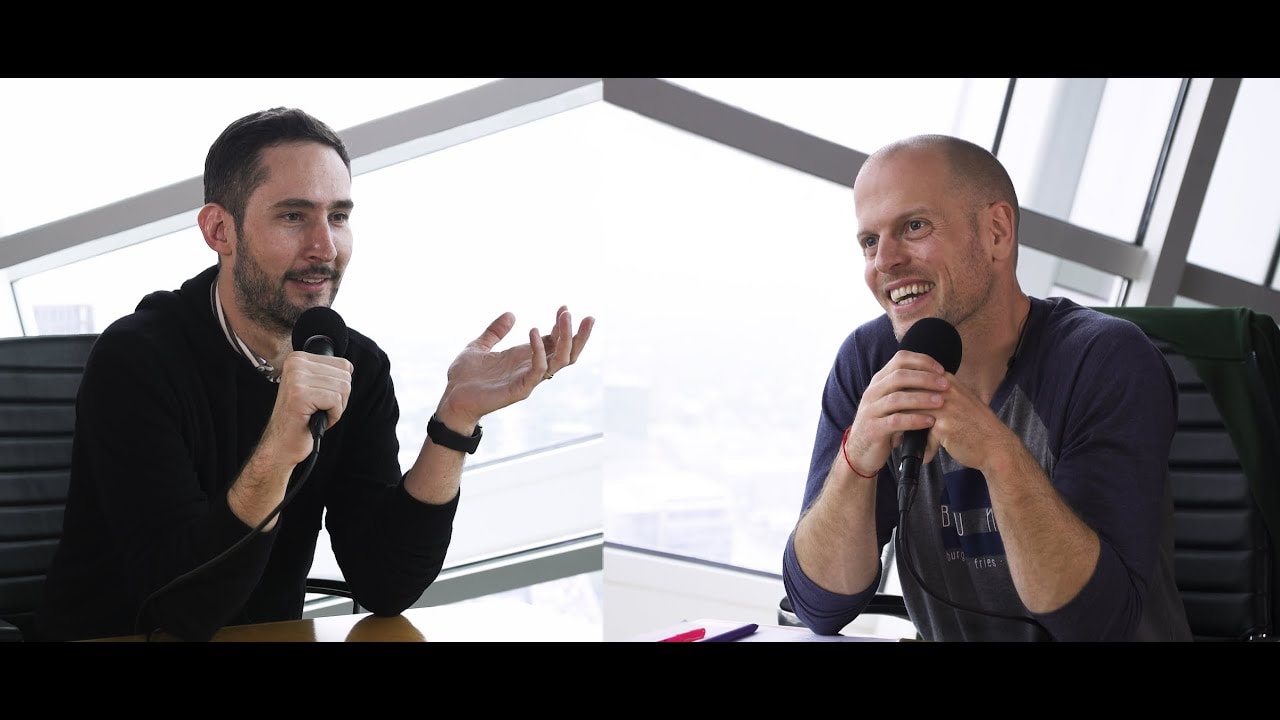
Kevin Systrom discusses simpler product choices, observing real usage, complementary collaborators and learning through practice. Selected official transcript coverage excludes financial advice, technical implementation instructions, personal topics and current Instagram claims. Historical startup examples are his recollections. Untimed editorial topics are not video chapters. Original transcript: https://tim.blog/2019/04/30/the-tim-ferriss-show-transcripts-kevin-systrom-369/
The Tim Ferriss Show
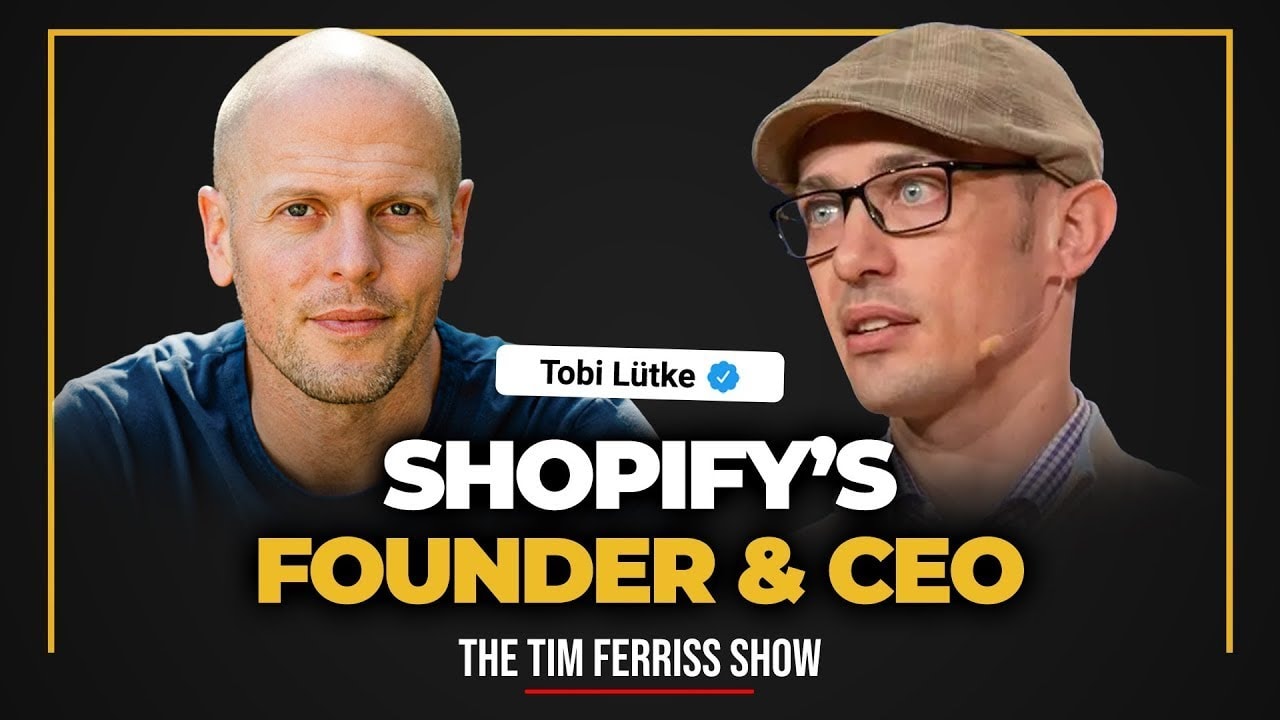
Tobi Lütke discusses learning beyond programming, expert conversations and taking responsibility as a founder's role changes. Selected official transcript coverage excludes political and clinical claims, financial figures, gaming details and unrelated personal passages. Historical business accounts are his recollections, not current Shopify practices. Date is this video's YouTube publication date. Untimed editorial topics are not video chapters. Original transcript: https://tim.blog/2019/02/11/the-tim-ferriss-show-transcripts-tobi-lutke/
The Tim Ferriss Show
Patrick Collison discusses choosing organizational experiments, early Stripe distribution and product quality. Selected organization and product passages from the 2018 interview, not the full conversation. Politics, regulation advice, AI and unrelated personal topics omitted. Historical and commercial claims are his account, not current Stripe policy. Date is this video's YouTube publication date. Untimed topics are not video chapters. Original transcript: https://tim.blog/2018/12/24/the-tim-ferriss-show-patrick-collison/
The Tim Ferriss Show
Scott Belsky discusses milestones, improving work, team narrative and the first experience of new users. Selected official transcript coverage excludes mental-health claims, finances, politics, personal assessments and unrelated material. Historical product examples are his recollections and views. Date is this video's YouTube publication date. Untimed editorial topics are not video chapters. Original transcript: https://tim.blog/2018/09/17/the-tim-ferriss-show-transcripts-scott-belsky/
The Tim Ferriss Show
Drew Houston discusses learning beyond engineering, studying management, focus and protecting chosen priorities. Selected official transcript coverage excludes clinical material, finances, gambling systems, politics and unrelated personal passages. Historical accounts and metaphors are his views, not guarantees or current Dropbox practices. Date is this video's YouTube publication date. Untimed editorial topics are not video chapters. Original transcript: https://tim.blog/2018/08/29/the-tim-ferriss-show-transcripts-drew-houston/
The Tim Ferriss Show
Ann Miura-Ko discusses deliberate preparation, understanding both sides, genuine curiosity and changing company-building roles. Selected official transcript coverage excludes investment advice, historical growth and funding figures, politics, family history and AI claims. Career and business examples are her recollections and views. The date is this video's YouTube publication date. Untimed editorial topics are not video chapters.
The Tim Ferriss Show
Jason Fried discusses protecting attention, clear writing and explaining the reasoning behind work. Selected official transcript coverage excludes illegal sales stories, bullying, clinical topics, religious disputes and unrelated material. Historical workplace and hiring accounts are his views, not current Basecamp policy or legal advice. Date is this video's YouTube publication date. Untimed editorial topics are not video chapters. Original transcript: https://tim.blog/2018/07/25/the-tim-ferriss-show-transcripts-jason-fried/
The Tim Ferriss Show
David Heinemeier Hansson discusses company complexity, revenue constraints, room for change and precision in software work. Selected business-design and craft passages, not the whole interview. Racing risk, politics, personal happiness and unrelated passages omitted. Historical practices are his account, not current Basecamp policy or financing advice. Date is this video's YouTube publication date. Untimed topics are not video chapters. Original transcript: https://tim.blog/2018/06/05/the-tim-ferriss-show-transcripts-david-dhh-heinemeier-hansson/
The Tim Ferriss Show
Derek Sivers describes how requests from musicians grew into CD Baby, how memorable service helped customers share it, and how explaining decisions enabled delegation. Selected business and performance coverage excludes personal confidence anecdotes and unrelated topics. Historical fees and distribution claims are not current market guidance. Date is this video's later YouTube publication date. Untimed editorial topics are not video chapters. Original transcript: https://sive.rs/2015-12-ferriss
The Tim Ferriss Show
Ed Catmull describes how Pixar teams discover stories, use peer feedback and notice problems success can hide. Selected creative-process coverage from this 2014 conversation is historical, not a statement of current Pixar policy. Financial deal claims, health speculation and unrelated personal topics omitted. Date is this video's later YouTube publication date. Untimed editorial topics are not video chapters. Official transcript: https://tim.blog/wp-content/uploads/2018/07/22-ed-catmull.pdf