Find key takeaways from long-form podcast conversations.
Found 31 results across 30 episodes, 1 podcasts
WTF is with Nikhil Kamath
Nikhil Kamath sits with the three people who run India's payment rails - Sohini Andani (ED Growth, NPCI), Harshil Mathur (co-founder, Razorpay) and Sameer Nigam (co-founder & CEO, PhonePe) - for a four-hour map of how money actually moves in India. They draw the six-party UPI diagram live (why your 100-rupee transfer is about 10 API calls across PhonePe, a sponsor bank, NPCI and two banks), break down who pays for 'free' UPI (an estimated 25 bips ecosystem cost, a 15-50 paise switching fee, and the zero-MDR decision that froze private investment), and retell the Flipkart Big Billion Day when 75-80 million waiting shoppers took down bank core systems. The conversation ranges across card economics (who really keeps the 2%), the regulation debate (caps, monopolies, banking licences, 'process is the punishment'), what payment data reveals about real India (tier-2+ is 65-70% of digital payments; 70% of e-commerce spend comes from 15 million households; a GST cut study), cross-border, CBDCs vs stablecoins, agentic commerce, and a closing panel with founders of Seven (payment rings), Dodo Payments (merchant of record) and PayGlocal (cross-border). All figures and views are the speakers' own. FULL COVERAGE: the captions appear to cover the entire episode. Sponsor: none stated. Nothing here is investment, legal or financial advice.

Think School: Indian Business Podcast
Think School explains why the 2026 US midterm elections scare every American president - and why AI companies are pouring record money into them. Sitting presidents have lost seats in 20 of the last 22 midterms, and Trump himself says 'when you win the presidency, you lose the midterm.' With Republicans holding exactly 218 House seats (218 needed) and a 53-47 Senate, a four-seat swing flips Congress and turns any president into what the episode calls a toothless tiger: laws blocked, budgets stalled, appointments frozen, investigations opened. The episode then explains the super PAC mechanism - unlimited legal corporate spending - through the story of Congresswoman Katie Porter, whose Senate run was buried by $10 million in crypto-industry ads that never mentioned crypto, and connects it to 2026's record $646 million in corporate political spending. The new players: Leading the Future (backed by OpenAI's Greg Brockman and a16z, $100 million pledged, demanding one national law and a 'build now, punish later' approach), Public First (Anthropic, $40 million, backing state safety rules and an aviation-style regulator for powerful AI models), and Meta ($65 million targeting state elections). Why India should care: 100 million weekly ChatGPT users, Claude's second-largest market, and the IMF's estimate that 40% of jobs worldwide are exposed to AI. FULL COVERAGE: the captions appear to cover the entire episode. All figures and claims are the episode's own narration, not independently verified. Sponsor: Whisper Flow. Nothing here is investment or professional advice.
Figuring Out with Raj Shamani
Rob Henderson, author and social scientist known for his luxury beliefs idea, joins Raj Shamani in New York for a wide conversation on status, class and money. They cover why people lie in the first minutes of a conversation and how the dark triad of traits peaks in the late teens and early twenties, whether the rich or the poor crave status more, how status symbols moved from luxury goods to cultural capital, why education now drives who marries whom, and why the affluent adopt beliefs that signal status while others pay the cost. Henderson also gives his own 12-month plan to move from low to high status and explains the data on male risk-taking and violence. FULL COVERAGE: the captions appear to cover the entire episode. All claims are Henderson's own views and the research he cites, not independently verified. Sponsor: none stated in the episode description. Nothing here is medical, legal or financial advice.
Think School: Indian Business Podcast
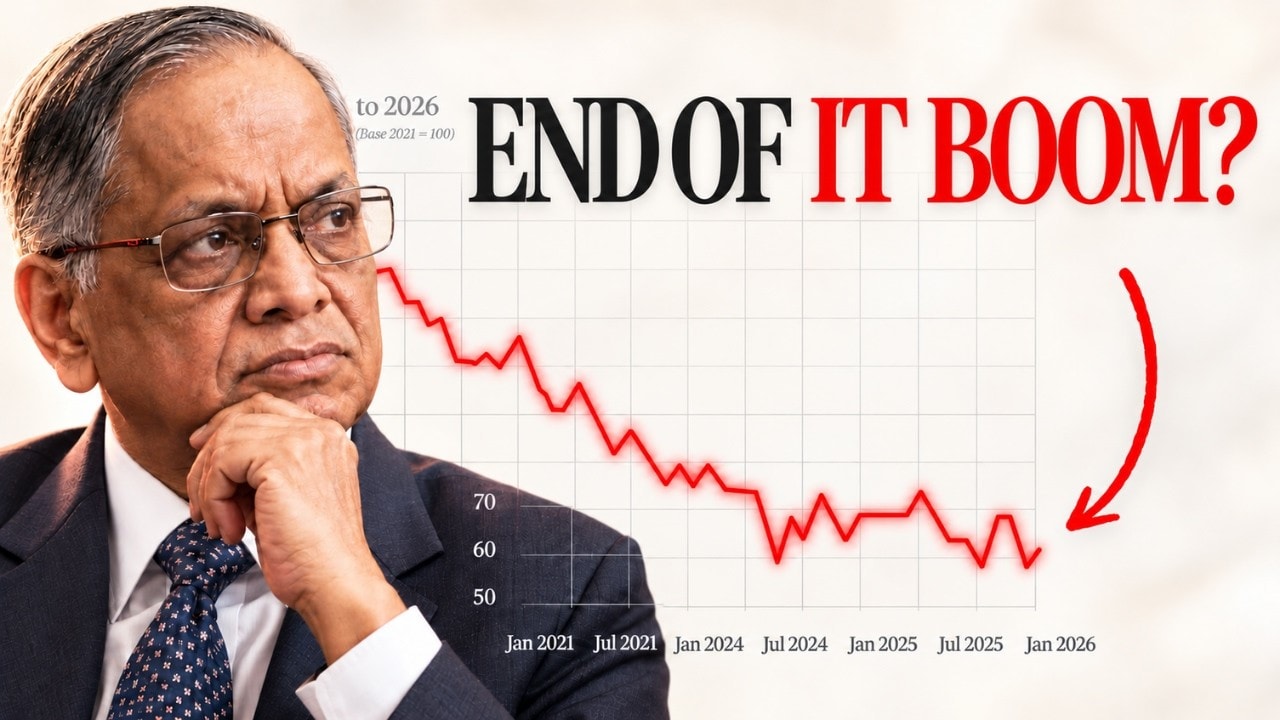
A Think School case study on why India's large IT services companies are laying off junior staff while paying far more for a small group of senior engineers. The narrator explains how staff augmentation makes the industry money, uses the history of a failed FBI software project and a data-analysis company to explain the shift, and ends with a lesson about earning with your mind rather than your time. Sponsor: FDE Academy, named at the end of the video. PARTIAL COVERAGE: this note covers the opening, how the IT staffing model works, the FBI example, and the closing lesson, and does not cover every part of the roughly 15 minute video. Hiring, salary and layoff figures are the narrator's own and are not independently checked. The narrator's opinions on AI and jobs are his own. This is a summary, not career or financial advice.
Figuring Out with Raj Shamani
David Bickford, the former legal director of both MI5 and MI6 - the man whose signature a real James Bond would have needed - sits down with Raj Shamani for a rare inside account of how British intelligence actually works. He explains why integrity tops the recruitment list for people paid to lie, why blackmailing an informant is fatal, and why MI5 officers cannot arrest anyone. He walks through the oversight machine he helped build: judicial warrants instead of ministers, a parliamentary committee with its own investigators, and a complaints route for any citizen who thinks they are being followed. Then the stories: writing the Turks and Caicos tax laws that accidentally built a money-laundering hub, then being sent back to dismantle it with an FBI sting that took down government ministers; forcing open the Caymans' secret bank accounts through a mutual legal assistance agreement; catching a Czech spy mid-transmission with his one-time pad after blocking his drains; and trapping a traitor selling submarine stealth tiles with a fake Russian embassy officer. His diagnosis of Britain: a democracy that muddles through, no written constitution, seven prime ministers in ten years, civil servants who treat risk as gambling - while America decentralized innovation and won. FULL COVERAGE: the captions appear to cover the entire episode. All accounts and claims are the guest's own, not independently verified. Sponsor: TapTap Send. Nothing here is legal or professional advice.
The Diary Of A CEO with Steven Bartlett
Adam Neumann tells Steven Bartlett his account of building WeWork, losing focus as money and ego grew, and learning from the company's collapse. He discusses mission, earned influence, choosing partners for difficult days and creating space away from technology. Business figures and explanations of events are his statements. Educational summary, not investment advice.
David Senra
David Senra reads Michael Bloomberg's autobiography: fired from Salomon Brothers with $10 million, starting a company at 39, acting from day one while others planned, knowing the business was information rather than hardware, and why selling is everybody's job. TL;DR Bloomberg was pushed out of the only full-time job he had, started with his own money, and refused to cash in; he says real builders cannot sit still, and that Bloomberg's product was always content, never the terminal hardware. Coverage comes from the first ~49,800 characters, covering most of the 49-minute episode. Sponsor reads appear mid-episode. Details come from machine-generated captions and the guest's own claims; business figures are not independently checked. Topics are untimed; metadata follows YouTube. Source: https://youtubetotranscript.com/transcript?v=1iH5YpzPZi8
Think School: Indian Business Podcast
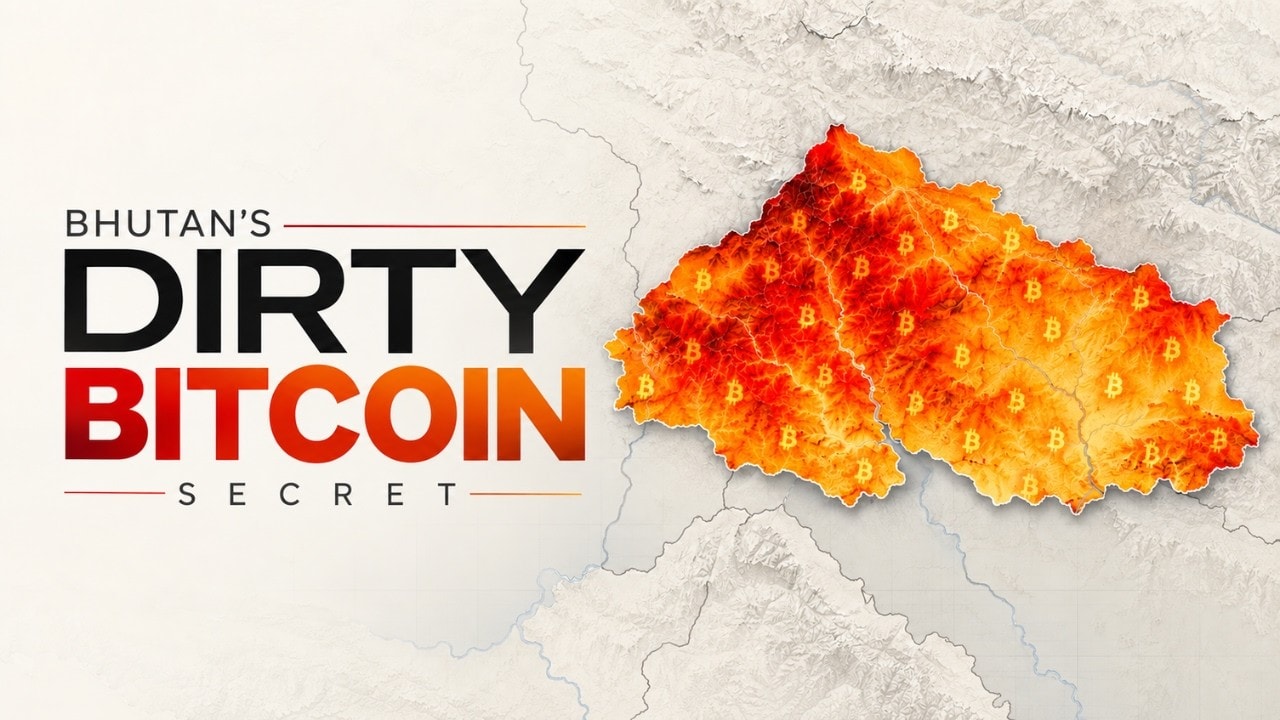
A Think School case study on how Bhutan, which the narrator says is poor by geography, ended up mining and holding Bitcoin using surplus hydropower. He explains why Bhutan could not farm, manufacture or sell services, how seasonal river flow traps it in buying back power from India, and the lessons he draws about windfall money. Sponsor: CoinDCX, a crypto exchange, named in a mid-roll read with a disclaimer that crypto is volatile. PARTIAL COVERAGE: this note covers the opening, the CoinDCX read, why Bhutan stayed poor, the hydropower and winter-shortage section, the Bitcoin decision, and the closing lessons, and does not cover every part of the roughly 17 minute video. Figures such as electricity prices and Bitcoin holdings are the narrator's own and are not independently checked. This is a summary, not financial or investment advice, and the sponsor read is an advertisement.
Think School: Indian Business Podcast
Eric Ries and Ganesh Prasad discuss lean startup experiments, useful metrics and credible customer promises. Selected coverage from approximately the first 50,000 characters of third-party English captions, not the full interview; the unseen ending is not summarized. AI forecasts, health and social-policy examples, promotional material and unsupported revenue guarantees are omitted. Historical examples and numerical claims are the speakers' accounts, not independently verified results. Captions contain recognition errors and no speaker labels; attribution follows the exchange. Topics are untimed and metadata follows YouTube. Source: https://youtubetotranscript.com/transcript?v=eErcrQQHzg4
My First Million
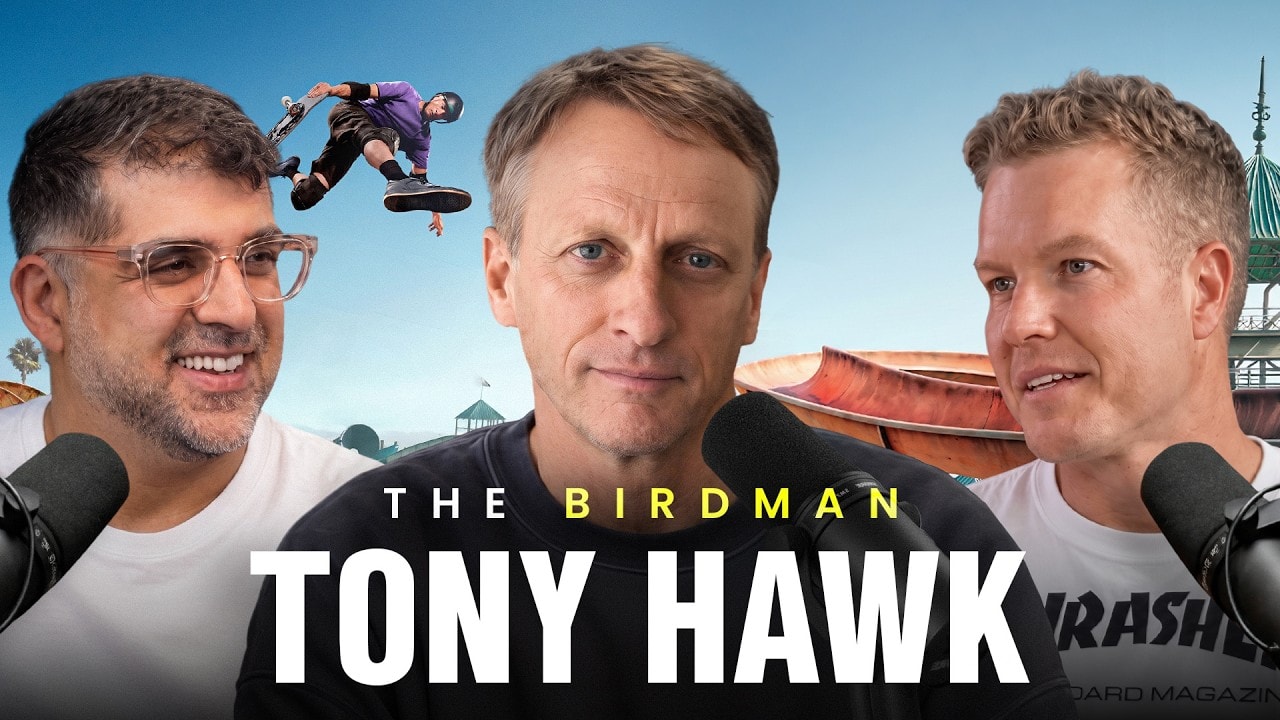
A My First Million conversation (episode 860) with Sam Parr, Shaan Puri and skateboarding legend Tony Hawk. They cover a past trip to Ethiopia with Charity Water, how Charity Water built trust by showing donors where money goes, the economics of skate parks, and the story of how the Tony Hawk video game was pitched and eventually made. Sponsor: the description links a HubSpot promotion; no HubSpot read appears in the parts covered. PARTIAL COVERAGE: this note covers the opening, the Charity Water and skate park discussion, the video game pitch story, and the closing, and does not cover every part of the roughly 71 minute conversation, including the sections on the price of greatness, scraping by and the 900. Stories and figures are the speakers' own recollections and not independently checked.
My First Million
My First Million episode 858, where Sam Parr and Shaan Puri discuss how people turn strange hobbies into businesses. In the opening, Shaan describes a New York perfume tour run by Asia Grant of Scent Social Club, compares it to Nick Gray's Museum Hack tours, and argues that enthusiasm can be a moat and that it is better to be the only one than the best. The description also lists segments on mafia tours, Dolly Parton and LeBron James. Sponsor: the description promotes Hampton and Somewhere and links a HubSpot business ideas database. PARTIAL COVERAGE: this note is based on the opening perfume tour and Museum Hack discussion and the description, and does not cover the mafia tours, Dolly Parton or LeBron James segments of the roughly 57 minute episode. All figures and claims are the speakers' own and are not independently checked.
Think School: Indian Business Podcast
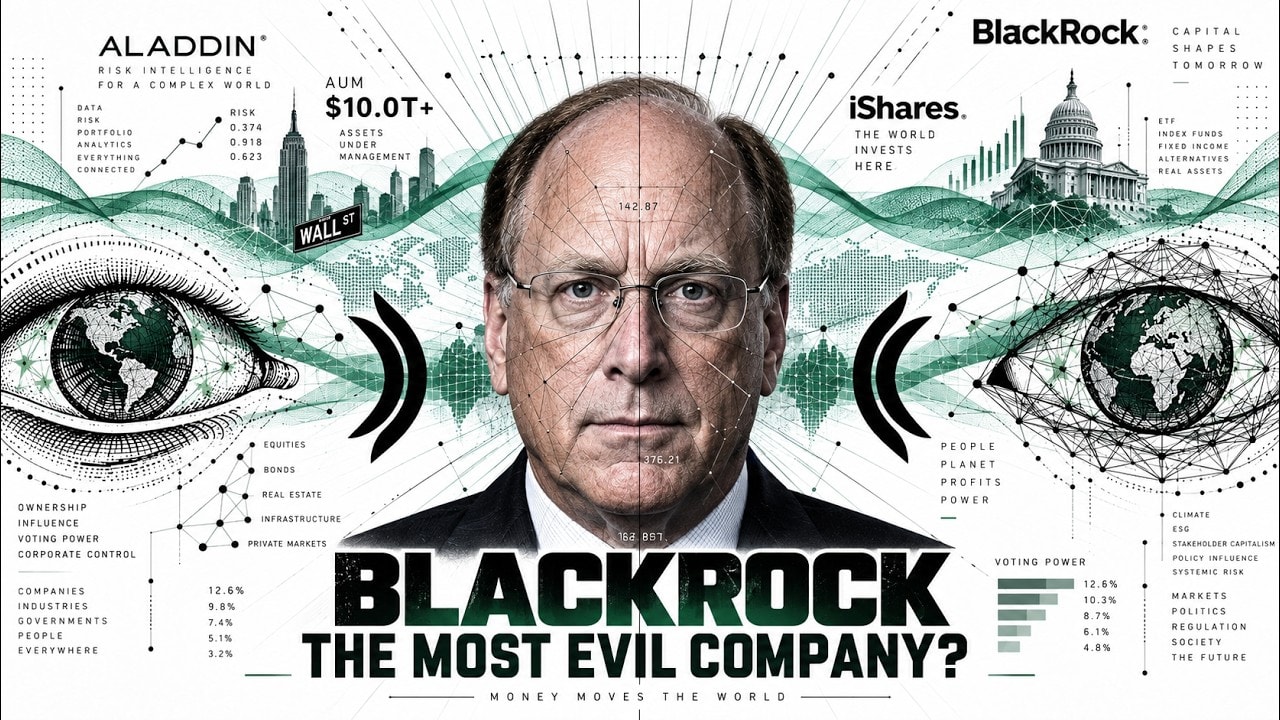
A Think School case study on how BlackRock grew into an asset manager the narrator says controls over $15 trillion. He follows Larry Fink's career from mortgage-backed securities through the Aladdin risk system and the purchase of iShares, and ends with a warning about the line between good and bad capitalism. Sponsor: Vested, a platform for investing in US stocks from India, named in a mid-roll read and in the description. PARTIAL COVERAGE: this note covers the opening, the Vested sponsor read, the mortgage-bond explanation, the Aladdin and crisis section, the iShares and ETF section, and the closing, and does not cover every part of the roughly 20 minute video. Ownership percentages, asset figures and claims about intent are the narrator's own and are not independently checked, and the narrator's political opinions are his own. This is a summary, not financial, investment or tax advice, and the sponsor read is an advertisement.

Think School: Indian Business Podcast
A Think School case study on how BMW, near collapse after WWII and nearly handed to Mercedes in 1959, came back and, in the narrator's figures, overtook Mercedes in revenue and profit by FY25. The narrator covers BMW's wartime growth built on forced labour, the 1959 shareholders meeting, a blind billionaire who bet his fortune, and a positioning idea about an identity axis that separates old money from new money. Sponsor: CRED, which promoted its CRED RuPay credit card in a mid-roll read and in the description. PARTIAL COVERAGE: this note covers the opening, the CRED read, why BMW was failing, the identity-axis positioning section, and the closing, and does not cover every part of the roughly 17 minute video. Financial figures and historical claims are the narrator's own and are not independently checked. This is a summary, not financial advice, and the sponsor read is an advertisement.
My First Million
My First Million episode 848, where Sam Parr and Shaan Puri discuss a seven-point sales comment from Hacker News, the rule of reciprocity from Robert Cialdini's book Influence, the business of Magic: The Gathering and Hasbro, and a closing thought on caring less about what others think. The sales comment says people buy only time, money, sex and approval or peace of mind, and that you should sell aspirin rather than vitamins. Sponsor: the description links a HubSpot CEO lessons guide and promotes Hampton and Somewhere. PARTIAL COVERAGE: this note is based on the opening Hacker News sales comment, the reciprocity story, the start of the Magic: The Gathering segment, the closing and the description, and does not cover every segment, such as the Bernard Arnault letter or the Bryan Johnson discussion, in the roughly 48 minute episode. The hosts' claims and figures are their own and are not independently checked.
Masters of Scale
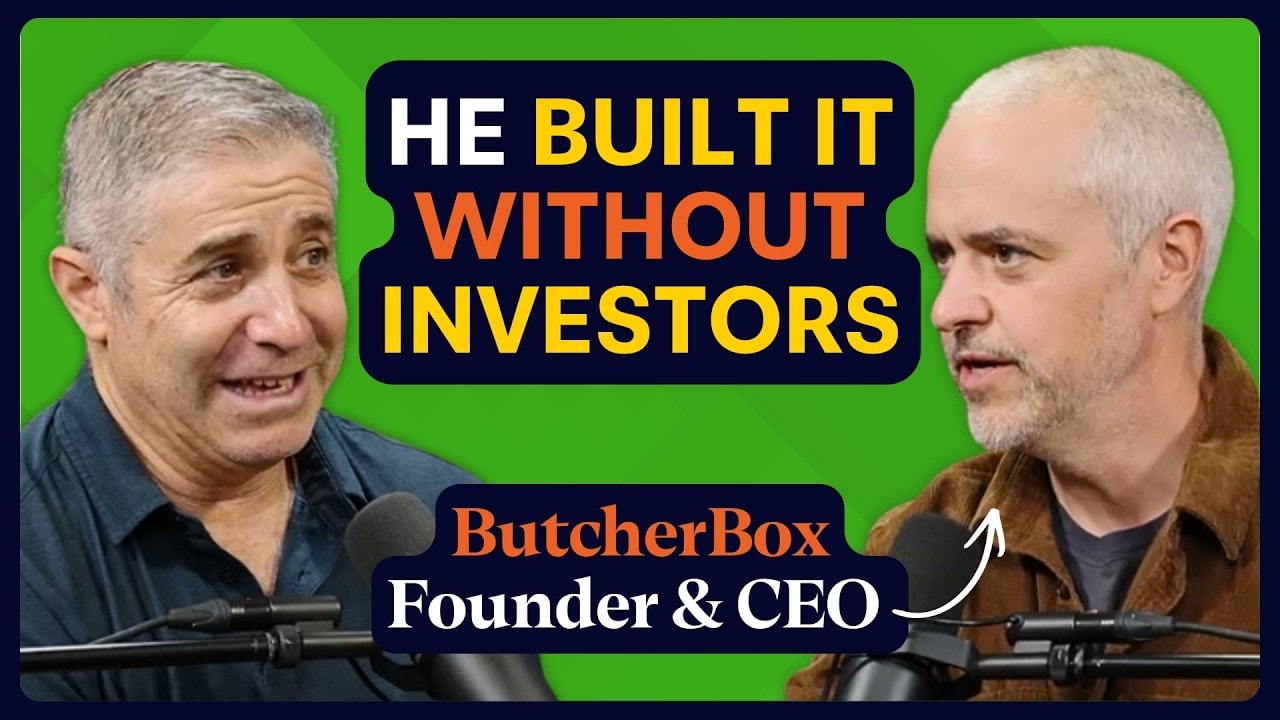
Mike Salguero and Jeff Berman discuss demand testing, team composition, a limited initial product range and customer acquisition at ButcherBox. Business outcomes and prices are his historical account, not current verified figures or investment advice. Selected operating passages only; health and incidental AI comparisons omitted. Metadata follows the linked YouTube video. Official transcript is machine-generated; topic sections are untimed. Source: https://mastersofscale.com/episode/how-to-beef-up-your-business/
Shopify Masters
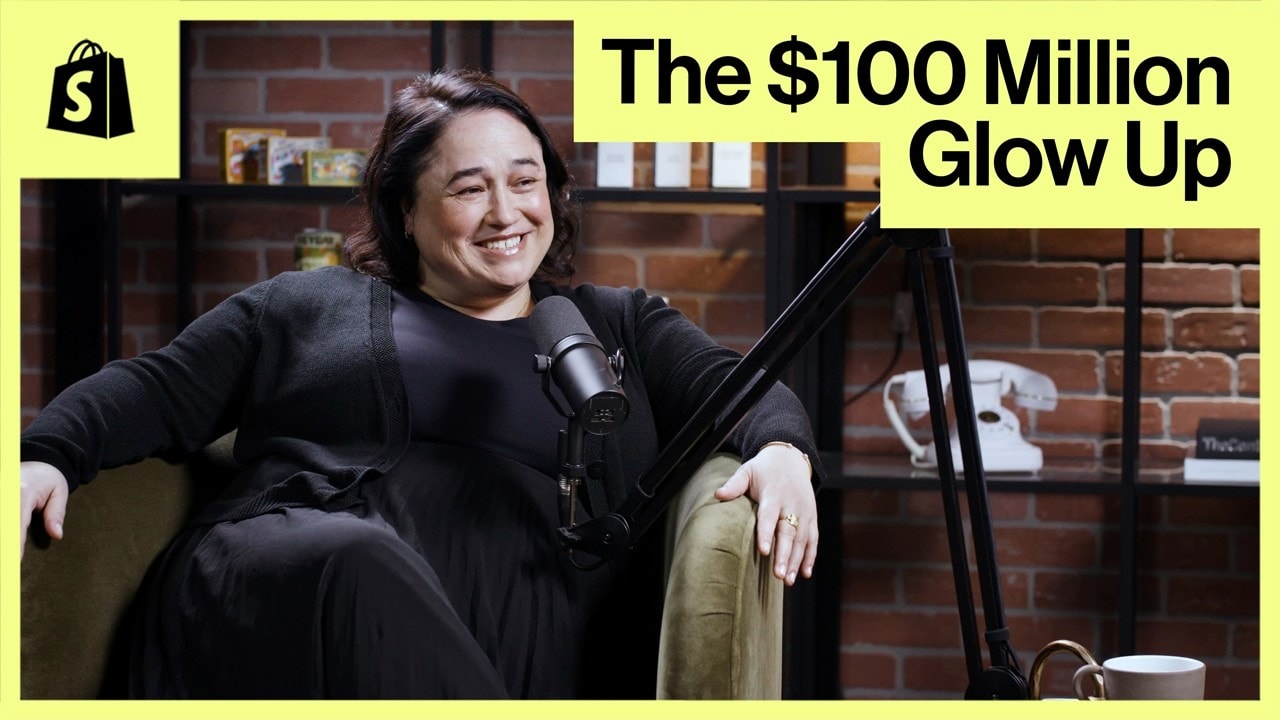
A Shopify Masters conversation, hosted by Serena Smith, with Melissa Palmer, founder of OSEA, a family-rooted sea-inspired skincare brand she says passed $100 million in revenue and sells in more than 1,500 Ulta locations. She talks about growing up on a commune, her family of women entrepreneurs, her early money-making jobs, and how she runs fast marketing alongside slow product development. Sponsor: Shopify, which presents the show. PARTIAL COVERAGE: this note covers the intro, her family and childhood, the section on iterating on ads and tools, the product timelines, and the closing, and does not cover every part of the roughly 39 minute conversation. Revenue and retail figures are the guest's or the show's own and not independently checked. This is a business summary, not health or skincare advice.
Figuring Out with Raj Shamani
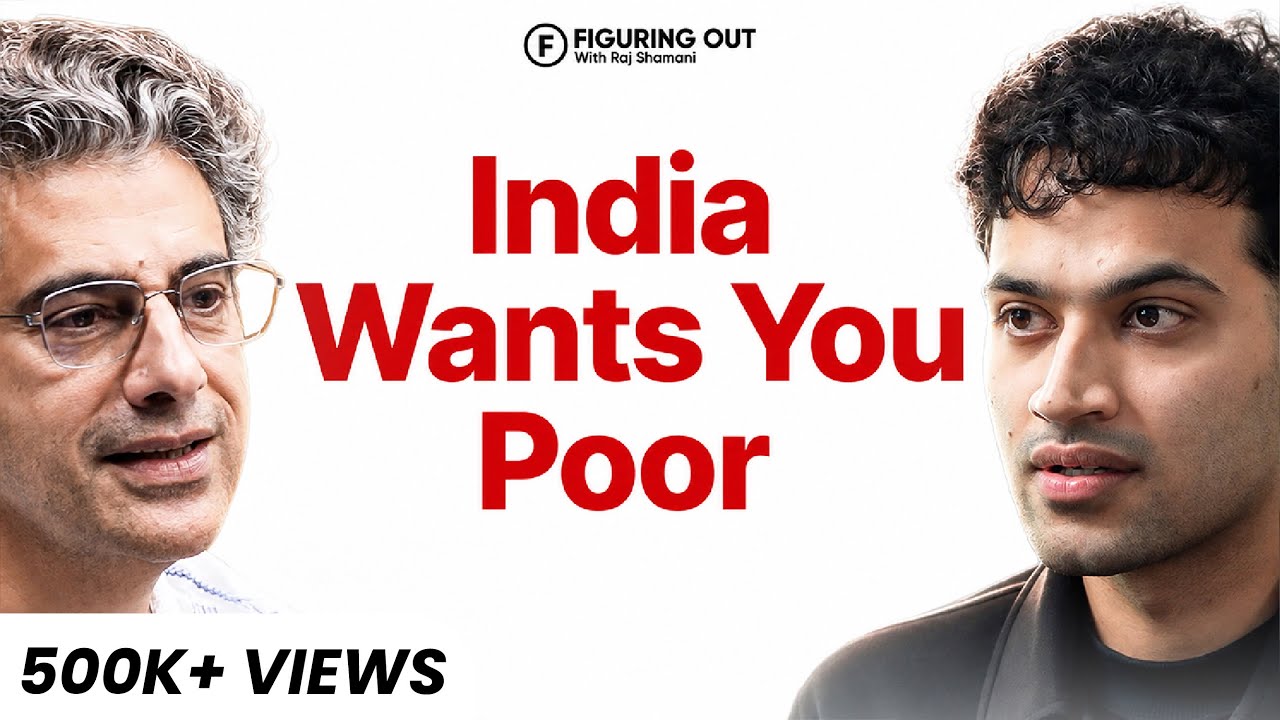
Alok Sama discusses entrepreneurial setbacks, selection bias in success stories, business-model discipline and the dangers of growing beyond what the economics support. Selected business coverage; AI, political and unrelated personal passages omitted. Auto-captions contain errors and no speaker labels; attribution follows interview context. Company histories and financial comparisons are his recollection, not independently verified facts or investment advice. Untimed topics are not video chapters. Source: https://www.youtube.com/watch?v=5UTkieEX-bA
My First Million
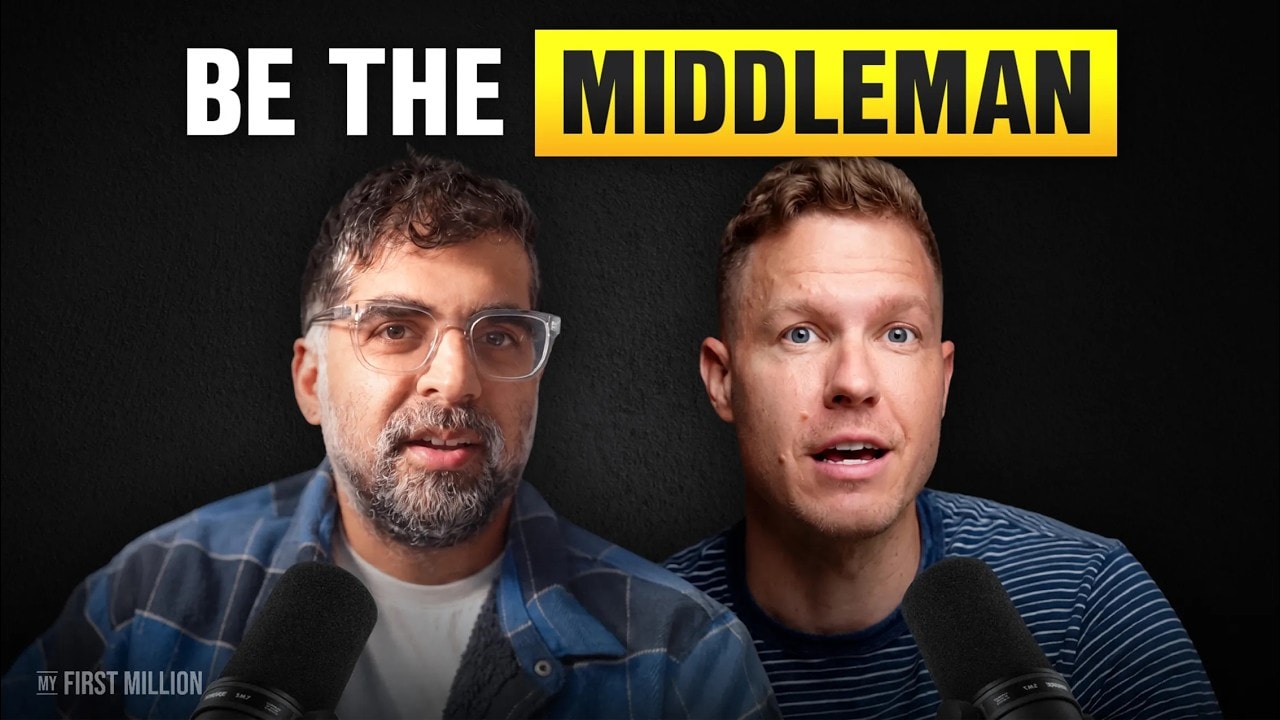
My First Million episode 844, where Sam Parr and Shaan Puri discuss how one of America's richest families makes its money, the Cargill family, then Jevons paradox, the Luddites, and where the opportunity lies. Shaan says Cargill is the largest private company in America for 40 years, owned 88 percent by the family, with more revenue than Goldman Sachs, Nike and Starbucks combined. He explains how it began as a grain middleman storing farmers' crops at railroad grain elevators, and the hosts discuss the middleman lesson and Jevons paradox, where efficiency gains increase total use. Sponsor: the description links a HubSpot unsexy business ideas database and promotes Hampton and Somewhere. PARTIAL COVERAGE: this note is based on the Cargill opening, a section on Jevons paradox, the closing and the description, and does not cover the family meetings, Luddites or ice king segments in the roughly 51 minute episode. All claims and figures are the speakers' own and are not independently checked.
Think School: Indian Business Podcast
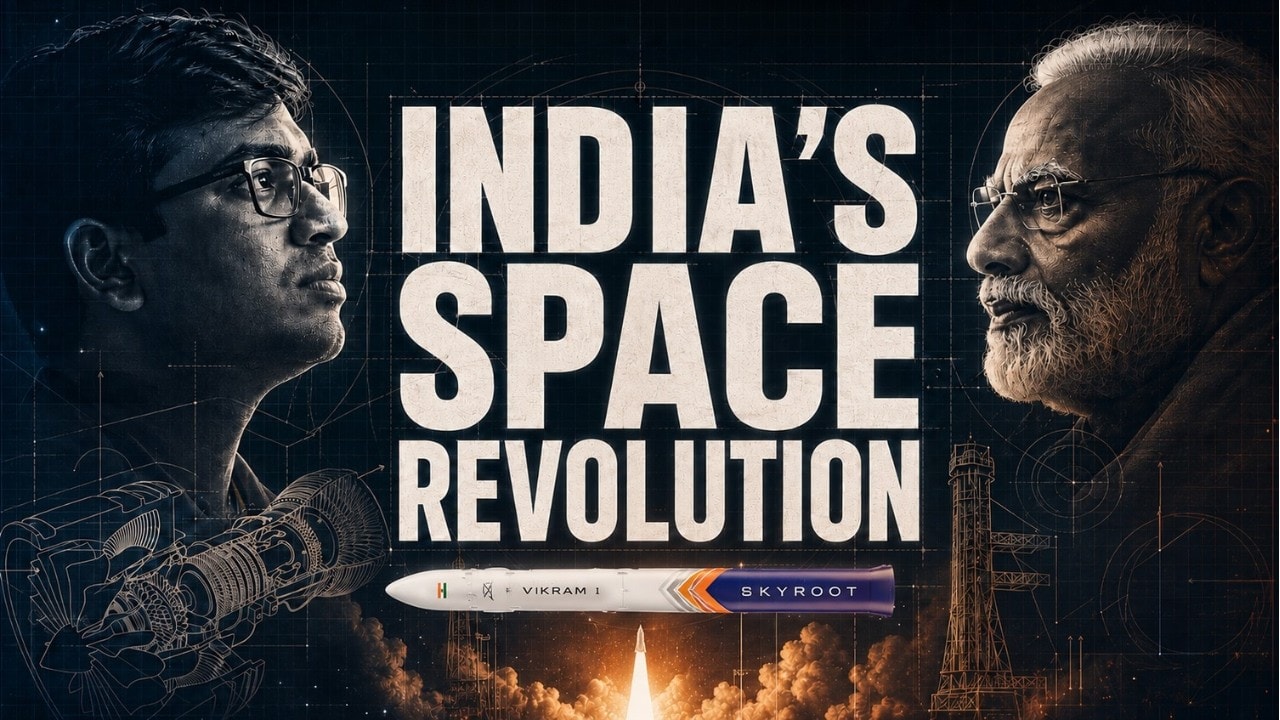
Skyroot Aerospace co-founder Pawan Kumar Chandana talks with Think School host Ganesh Prasad about why space has become a business opportunity, how Skyroot started in 2018 before private launches were legal in India, how a small-rocket launch company makes money, and what investors and young people should do about space. The guest's statements on launch costs, market size, revenue per launch and future space data centers are his own forecasts and claims, not independently checked, and the speculative parts about AI computing in space are presented as his view. Captions are automatic, contain errors and no named speakers; attribution follows the exchange. Topics are untimed; metadata follows YouTube. Think School lists Odoo as a sponsor in the description. Source: https://youtubetotranscript.com/transcript?v=tM42lU5Glp0
People by WTF
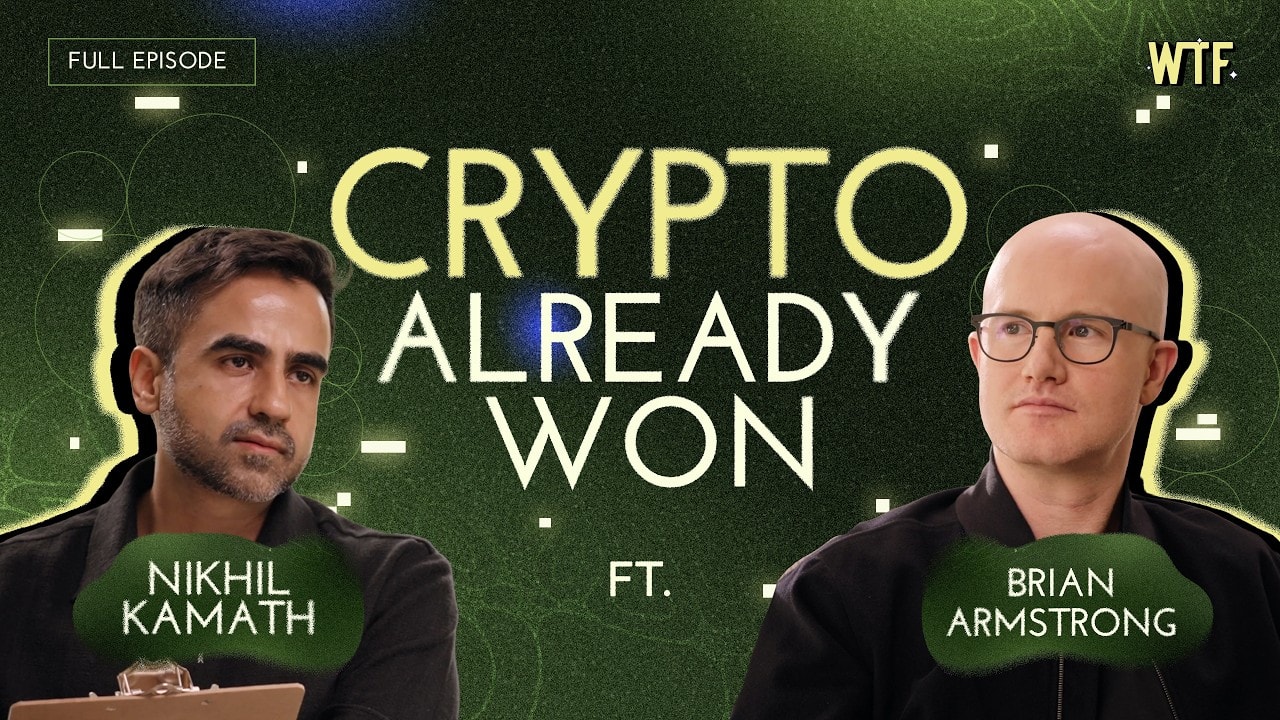
Nikhil Kamath, a self-declared crypto critic who has never bought a coin, sits down with Coinbase co-founder and CEO Brian Armstrong for a first-principles tour of the new financial system: what Bitcoin was actually built to do, how blockchains reach consensus, why stablecoins are becoming the medium of exchange Bitcoin never became, and why the banks' lobby is fighting the Clarity Act in Washington. Armstrong explains the 90/10 economics of USDC yield, makes the case against fractional reserve banking, reveals Coinbase's India relaunch with an FIU-registered local entity, and fields questions from two young guests - a 21-year-old asking whether 24/7 speculation is wiring a generation wrong, and a perps trader asking about order-flow fairness. The conversation also covers the AI valuation bubble, the India opportunity in remittances and agentic commerce, and Armstrong's side quests in longevity biotech. FULL COVERAGE: the captions appear to cover the entire episode. Sponsor: none stated - Nikhil notes the podcast runs no ads or sponsors. Nothing here is financial, investment or legal advice; every market view is the speaker's own opinion.
Figuring Out with Raj Shamani
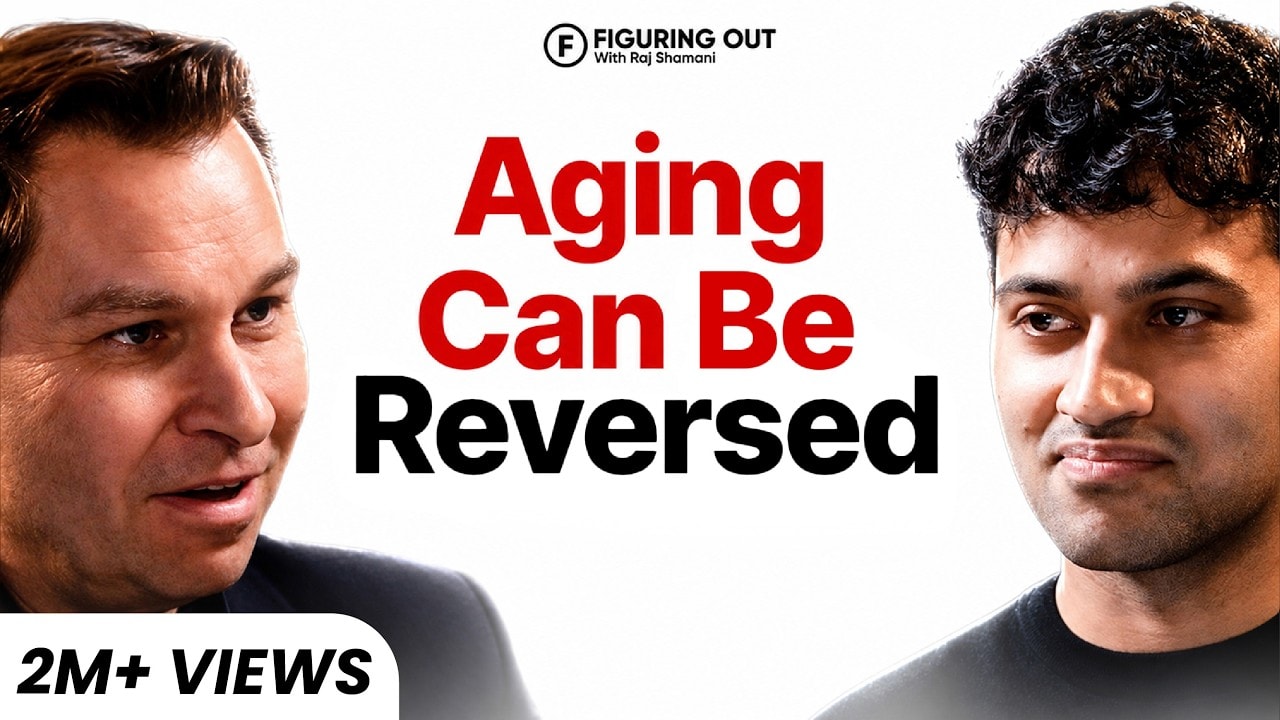
David Sinclair joins Raj Shamani to discuss aging, the epigenome, exercise, body composition and daily habits. He presents his longevity theories and personal routines, including ideas that remain debated or preliminary. This is a summary of his views, not medical advice; animal findings and proposed treatments should not be read as proven human age reversal.
Figuring Out with Raj Shamani
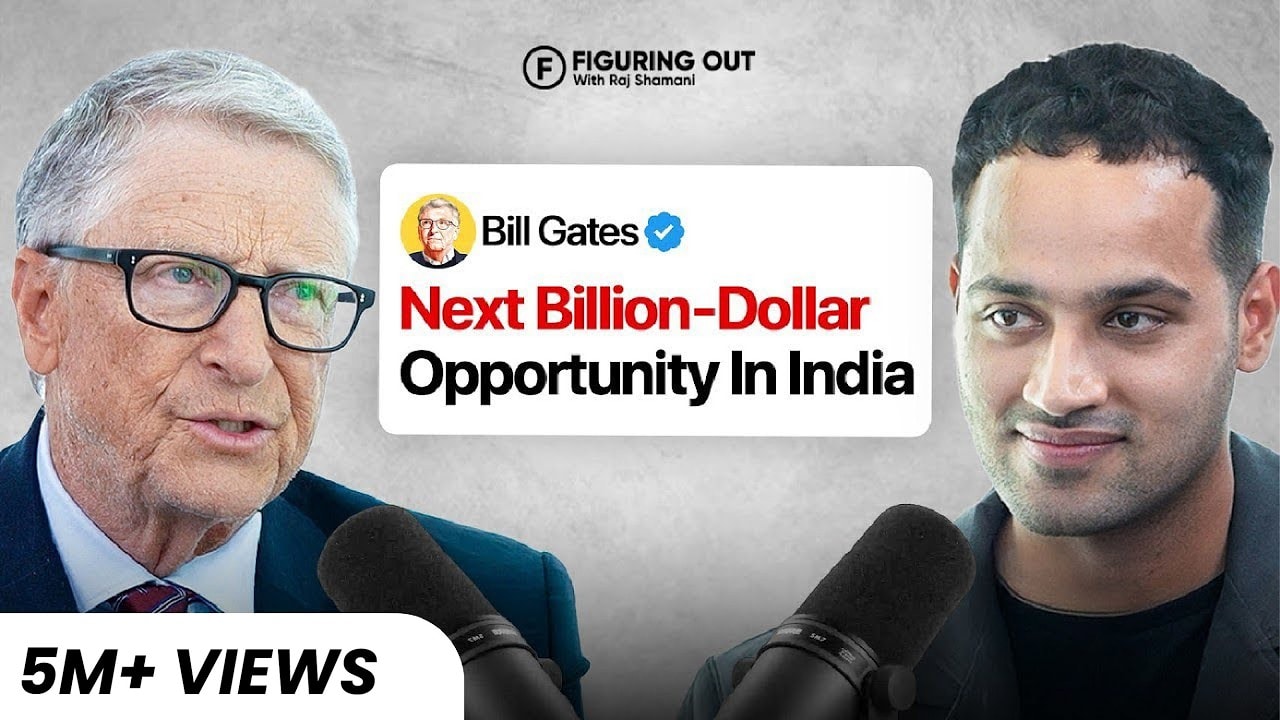
Raj Shamani, nervous and openly a fan, sits down with Bill Gates in India. They talk about what has changed in India, why Indian engineers lead global tech firms, Gates’s philanthropy and family wealth philosophy, what he would build if starting today, mistakes, and what he fears.
Figuring Out with Raj Shamani
Raj Shamani asks author Robert Greene how presence, restraint and absence shape influence. Greene discusses the psychology of attraction, the difference between loving a fantasy and knowing a real person, and the years of effort behind his books. These notes describe his ideas about power and human behavior, not universal rules or a license to manipulate others.
Figuring Out with Raj Shamani
Raj Shamani asks neuroscientist Nikolay Kukushkin how learning changes the brain, why memories can be unreliable, and how sleep, attention and repetition shape memory. The discussion includes memory palaces and the difference between rumination and useful reflection. General educational information, not medical advice or a replacement for mental-health care.

Figuring Out with Raj Shamani
Raj Shamani asks cognitive neuroscientist Dr Sahar Yousef about focus, habit change, cravings, chronotypes, recovery and digital habits. She links practical behavior changes with the emotions that drive them, while discussing her own struggles and the cost of ambition. Educational summary, not medical advice. Persistent addiction or burnout deserves qualified professional care.
Figuring Out with Raj Shamani
Scott Galloway joins Raj Shamani to discuss the middle class, opportunity, isolation, comparison, luck and risk-taking. He challenges the idea that success is purely individual and asks how young people can build relationships and take useful risks. Economic claims and personal strategies are his views, not investment advice or clinical treatment.

Figuring Out with Raj Shamani
Frank-Steffen Walliser talks with Raj Shamani about car design, clay prototypes, sensory details, door acoustics and brand heritage. The Bentley executive offers a commercial and personal perspective on craftsmanship and emotion, not an independent product comparison or verified safety assessment.

Figuring Out with Raj Shamani
Andrew Huberman joins Raj Shamani to discuss stress regulation, morning routines, attention and the need for recovery. He connects mental strength with being able to shift between focused effort and rest without turning routines into another source of anxiety. Health claims and techniques are his educational views, not personal medical advice.

Figuring Out with Raj Shamani
Ian Bremmer explains his G-Zero and geopolitical-recession lens, argues for shared governance and proposes expert-led coordination on AI risks. He discusses Europe and the difference between controlling events and controlling his response. These are his August 2026 interpretations and proposals, not settled geopolitical facts or an existing AI-governance institution.

Figuring Out with Raj Shamani
Gaurav Mehta tells Raj Shamani how coin collecting led to Jaipur Watch Company, and how manufacturing obstacles and retailer rejection shaped its early years. He discusses resourceful suppliers, cash pressure, alternative retail channels and watch design. This summary focuses on the founder story supported by the third-party transcript; personal and business claims remain his account.