Little Sleepies founder Maradith Frenkel describes moving from film production into baby and kids sleepwear, testing a first production run for less than $20,000 and growing through customer recommendations before hiring for marketing. She discusses comparing factory samples, responding to defective inventory, a costly 2021 air-freight rescue and handing operations to a professional CEO. Notes cover selected business passages from the full public auto-captions, checked against official Shopify show notes. The episode date is the September 8, 2026 YouTube release; the official article followed on September 9. Names follow that official page. The $12 million figure describes the business before her first marketing hire, not current audited revenue. This is a founder-business account, not medical advice; the charter-flight story describes a risky exception, not a routine purchasing recommendation.
Little Sleepies founder Maradith Frenkel describes moving from film production into baby and kids sleepwear, testing a first production run for less than $20,000 and growing through customer recommendations before hiring for marketing. She discusses comparing factory samples, responding to defective inventory, a costly 2021 air-freight rescue and handing operations to a professional CEO. Notes cover selected business passages from the full public auto-captions, checked against official Shopify show notes. The episode date is the September 8, 2026 YouTube release; the official article followed on September 9. Names follow that official page. The $12 million figure describes the business before her first marketing hire, not current audited revenue. This is a founder-business account, not medical advice; the charter-flight story describes a risky exception, not a routine purchasing recommendation.
Frenkel wanted more comfortable sleepwear with easier diaper changes and room for growth. She treated those practical frustrations as a product-design problem and tested whether other parents wanted the same improvements.
She had a film career, working up from the mail room to VP of Development and Production at Universal. The work ethic and the figure-it-out attitude carried over to building a company, as did managing many workflows and predicting what consumers would want.
It took two years nights and weekends to launch. She ordered samples from about 12 factories, which all came back wildly different, to get the product right.
She put less than $20,000 into a first production run, nearly all into product plus one photo shoot, and gave herself nine months. She spent nothing on marketing for over a year, using family, friends and mom Facebook groups.
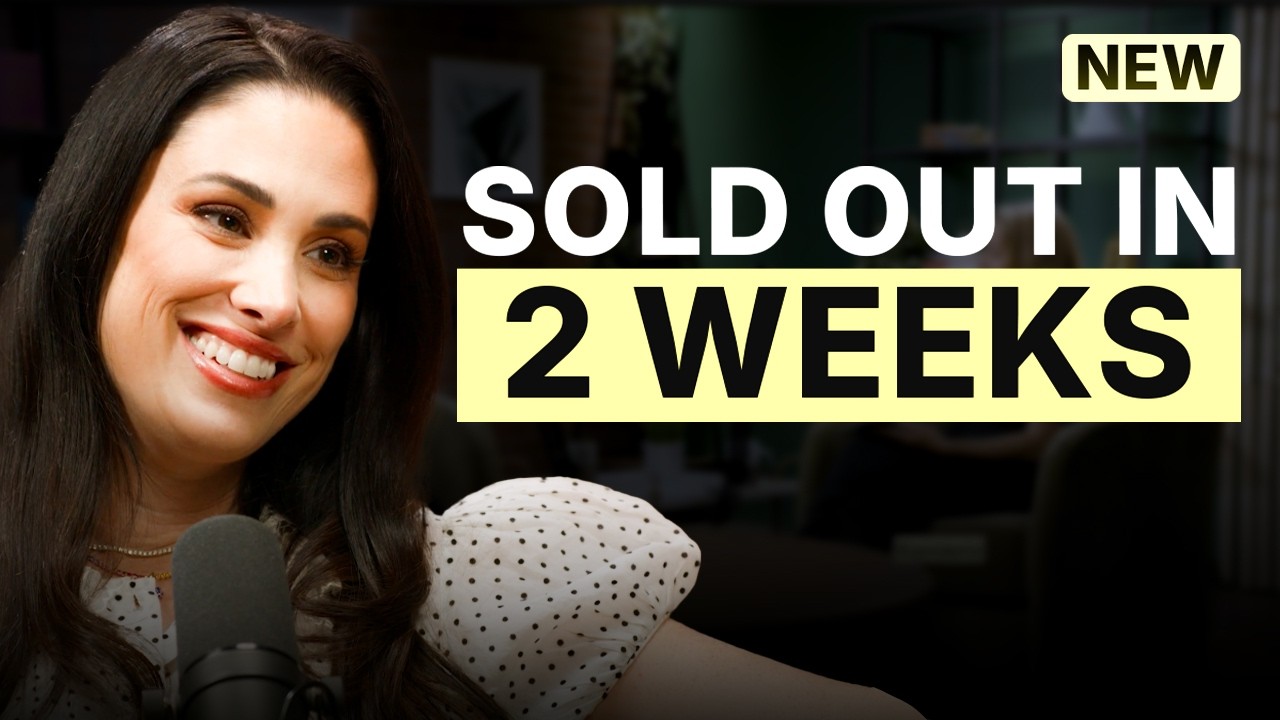
The first run sold out in a couple of weeks and she had waitlists of thousands. She calls customers being the marketers the secret sauce of the brand.
Frenkel says a second order arrived largely defective, forcing a factory change. During 2021 shipping disruption she chose an expensive charter flight to get holiday stock in on time. Those stories show operational risk, not a formula others should copy.
After five years of hypergrowth, with hiring and operations dominating, she brought in a professional CEO and kept design, product development and strategy, talking to the CEO once or twice a week.
Frenkel wanted more comfortable sleepwear with easier diaper changes and room for growth. She treated those practical frustrations as a product-design problem and tested whether other parents wanted the same improvements.
She had a film career, working up from the mail room to VP of Development and Production at Universal. The work ethic and the figure-it-out attitude carried over to building a company, as did managing many workflows and predicting what consumers would want.
It took two years nights and weekends to launch. She ordered samples from about 12 factories, which all came back wildly different, to get the product right.
She put less than $20,000 into a first production run, nearly all into product plus one photo shoot, and gave herself nine months. She spent nothing on marketing for over a year, using family, friends and mom Facebook groups.
Frenkel used a small first run to test willingness to buy before leaving herself with a large inventory commitment. Her early timeline proved much shorter than expected when customers bought quickly.
Friends, parent groups, customer photos and the brand community helped spread the product. Frenkel did not describe that as a guaranteed strategy for every new business.
As operations, hiring and systems grew, Frenkel brought in a CEO and kept her focus on design, product and strategy. The role changed rather than requiring her to leave the business.
“our customers are our marketers”
“I sold out of that product within a couple weeks”
“I ended up chartering a 747”
our customers are our marketers
The first run sold out in a couple of weeks and she had waitlists of thousands. She calls customers being the marketers the secret sauce of the brand.
Frenkel says a second order arrived largely defective, forcing a factory change. During 2021 shipping disruption she chose an expensive charter flight to get holiday stock in on time. Those stories show operational risk, not a formula others should copy.
After five years of hypergrowth, with hiring and operations dominating, she brought in a professional CEO and kept design, product development and strategy, talking to the CEO once or twice a week.