Find key takeaways from long-form podcast conversations.
Found 41 results across 30 episodes, 10 podcasts, 1 topics
The Diary Of A CEO with Steven Bartlett
Alex Hormozi joins Steven Bartlett to discuss AI, practical businesses, reputation, long-term thinking, pricing and hiring. He argues that tools should improve the ordinary functions of a business, while people still carry judgment and risk. Business predictions are his views; this summary is not financial, legal or business advice.
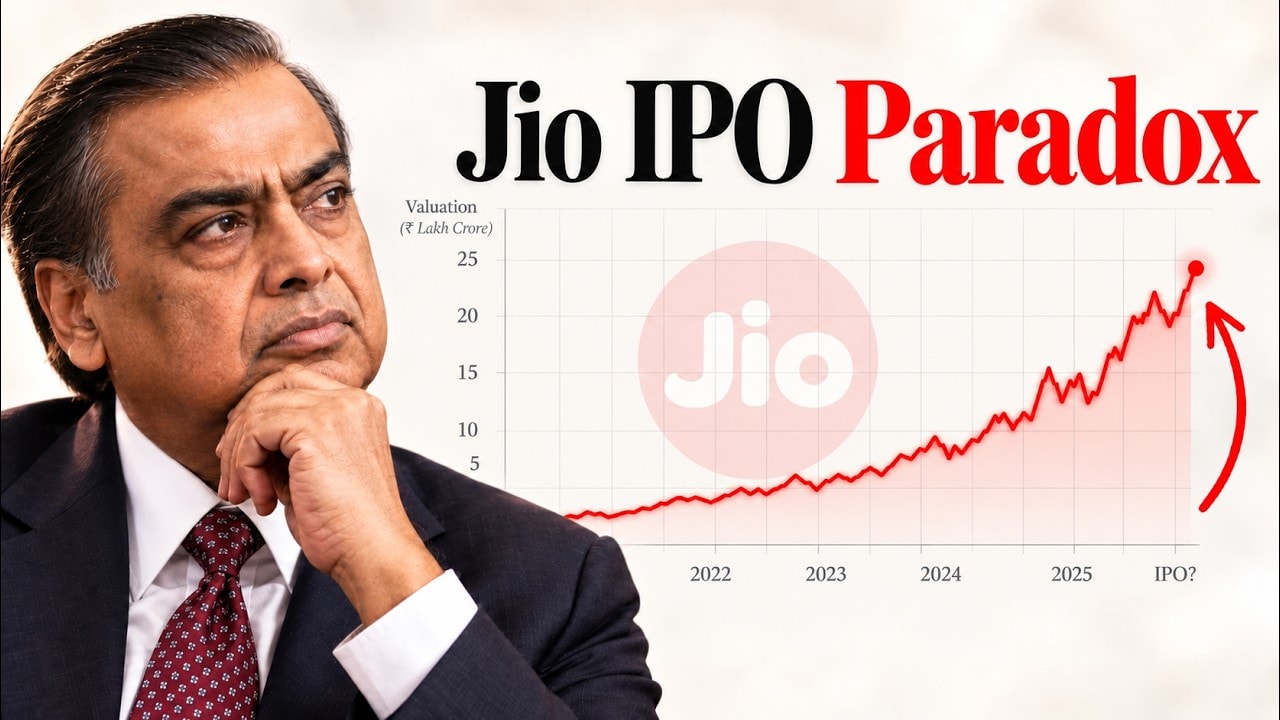
Think School: Indian Business Podcast
Think School reads Jio's 528-page draft IPO prospectus beyond the headlines. The video lays out Jio's headline numbers of 1.46 lakh crores in revenue, about 30,000 crores in profit and 524 million customers, then explains the business as one equation - revenue equals users times average revenue per user - across a six-level pyramid from 2G India to enterprises. It surfaces three things it says the headlines are missing: an outstanding spectrum obligation of 1.04 lakh crores that costs about 40 percent of profits a year until 2038, a deferred tax pile of 55,611 crores that kept the actual tax paid at 118 crores against a 10,300 crore paper bill, and a real free cash flow of about 20,300 crores that needs roughly 18 rupees more per user per month to hold steady. It closes with four growth engines - recharge prices, home broadband, small business digitization and AI distribution - and three risks: price-sensitive customers, the next capex cycle and satellite internet. FULL COVERAGE: the captions appear to cover the entire episode. All figures are as read from the DRHP by the channel, not independently verified, and the channel states it is not a SEBI registered adviser. Sponsor: none stated in the episode. Nothing here is investment advice.

WTF is with Nikhil Kamath
Before the fame, what were they like? This Stitch'd montage rewinds to the childhoods of Ranbir Kapoor, Kriti Sanon and other well-known Indians from film, music, cricket and business. Ranbir Kapoor recalls Bombay Scottish, canes and duster-on-knuckles discipline, 54.3% in his 10th boards, dropping out of film school in New York and living on a $2 McDonald's menu for lunch and dinner because his father kept him on a tight budget. Kriti Sanon describes being an extremely shy, stage-frightened firstborn who hid in her mother's dupatta - until dance (five years of kathak at Kathak Kendra) gave her a stage. A rapper remembers being a government sub-divisional officer in Himachal Pradesh while writing for an underground Honey Singh; a composer raised by a single mother who rented out his late father's instruments; a cricketer from Mangalore who picked up a plastic bat at two and a half; and a founder from Indore who scaled his father's detergent business from 40 lakhs to ten times that in 18 months. FULL COVERAGE: the captions appear to cover the entire episode. The episode is a voice montage and does not always name each speaker on screen; these notes name only speakers confirmed by the video's title or clearly identifiable from the content itself, and quotes are verbatim from the captions. Sponsor: none stated in the episode. Nothing here is professional advice.
Figuring Out with Raj Shamani
Raj Shamani's Figuring Out episode FO575, sponsored by Porter, in which Raj speaks with Barbara Butcher, a veteran New York death investigator who says she has investigated more than 5,500 deaths over two decades. Butcher explains how she reads a death scene: taking in the whole room before touching the body, using rigor mortis, lividity and body temperature to estimate time of death while insisting there is no precise method, and spotting staged crime scenes, moved bodies and faked suicides. She describes the difference between business and personal killings, recounts cases including a jealous husband, a staged burglary, a faked hanging and the 9/11 recovery work that left her shut down, and closes with the lessons death taught her about gratitude and living fully. FULL COVERAGE: the captions appear to cover the entire episode, and this summary highlights the investigation methods, cases and life lessons discussed. Butcher's accounts are her own recollections and opinions, not independently verified. This episode describes forensic investigation for general interest only; nothing here is medical, legal or safety advice.
The Knowledge Project
Shane Parrish talks with real-estate broker Ryan Serhant about follow-up, selling an outcome rather than a product, building competence and turning attention into a business. These notes cover selected sales and business passages from the first roughly 50,000 characters of the public YouTube auto-captions. The ending is not covered, sponsor reads and personal client anecdotes are omitted, and the captions may contain errors. These are Serhant's experiences, not promises of financial results.
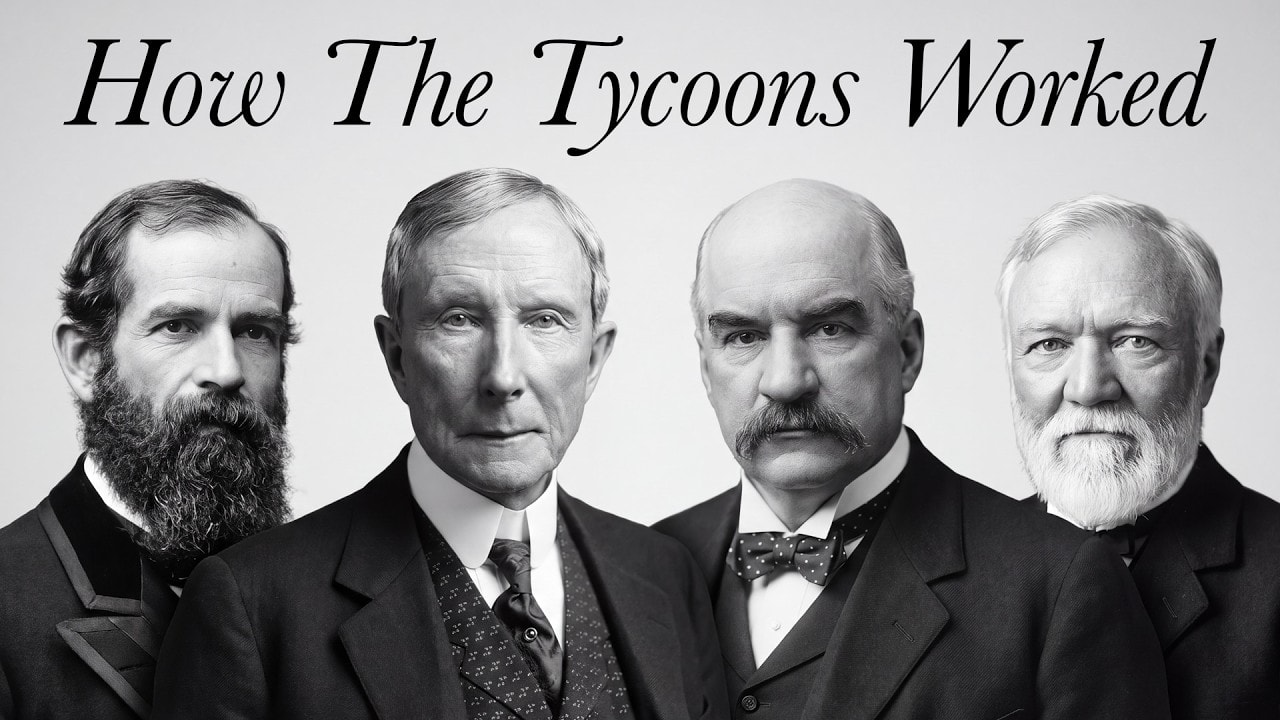
David Senra
David Senra draws out how Carnegie, Rockefeller, Gould and Morgan actually ran their businesses: they were young, not old, when they built; Rockefeller's blazing-price-war conquest method; Carnegie's hunt for the newest technology; and an American culture of invention that treated workers' ingenuity as an asset. TL;DR The tycoons won on speed and efficiency: Rockefeller was faster in apprehension and more deadly in execution, and once a target capitulated, his fair-price offer was still on the table. Coverage comes from the first ~49,800 characters, covering most of the 54-minute episode. Sponsor reads appear mid-episode. Details come from machine-generated captions and the guest's own claims; business figures are not independently checked. Topics are untimed; metadata follows YouTube. Source: https://youtubetotranscript.com/transcript?v=v9KYuIrJnZA
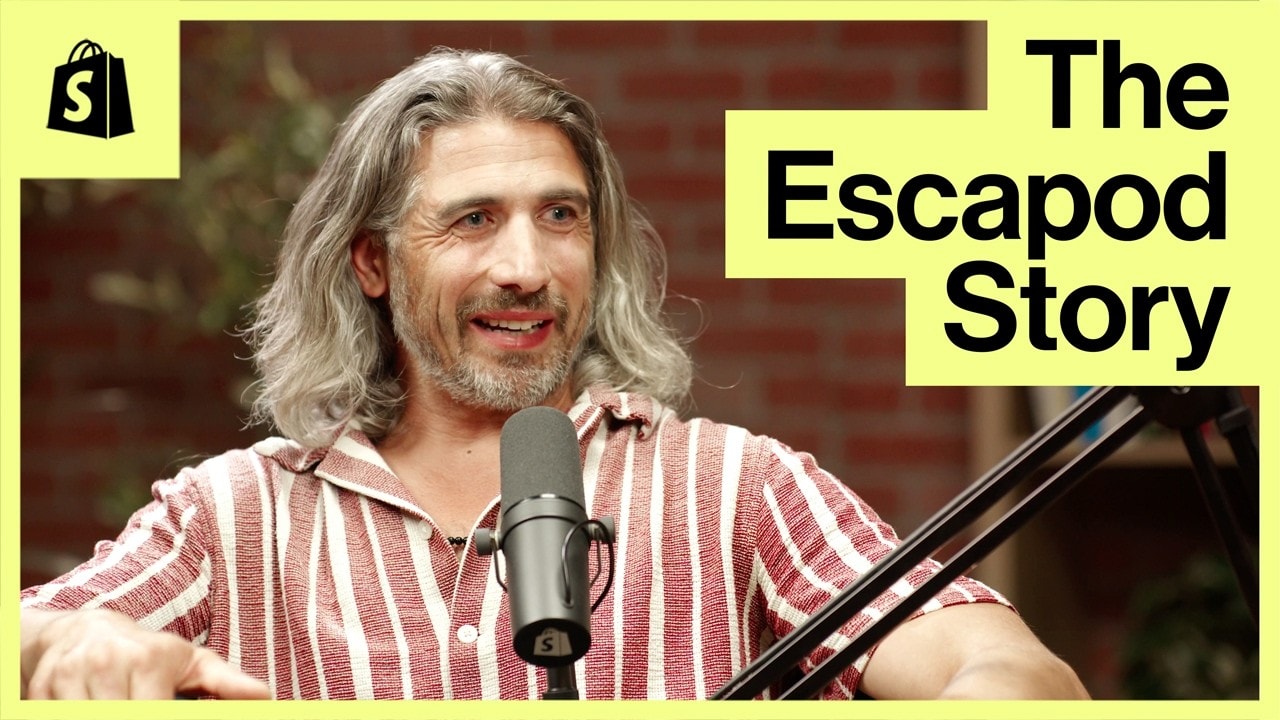
Shopify Masters
A Shopify Masters conversation hosted by Serena Smith with Chris Hudak, founder of Escapod, which builds and sells off-road camping trailers. Hudak explains how a trailer he built for himself turned into a business, what his hospitality career taught him about customer expectations, why he thinks process must come before automation, and how a rocket-ship growth period and a downturn shaped the company. Sponsor: Shopify, named in the show's trial message. PARTIAL COVERAGE: this note covers the opening, a middle section on automation and growth, and the close, and does not cover every part of the roughly 30 minute episode. Business figures, prices and timelines are Hudak's own account and are not independently checked. This is a summary of his views, not business, legal or financial advice.
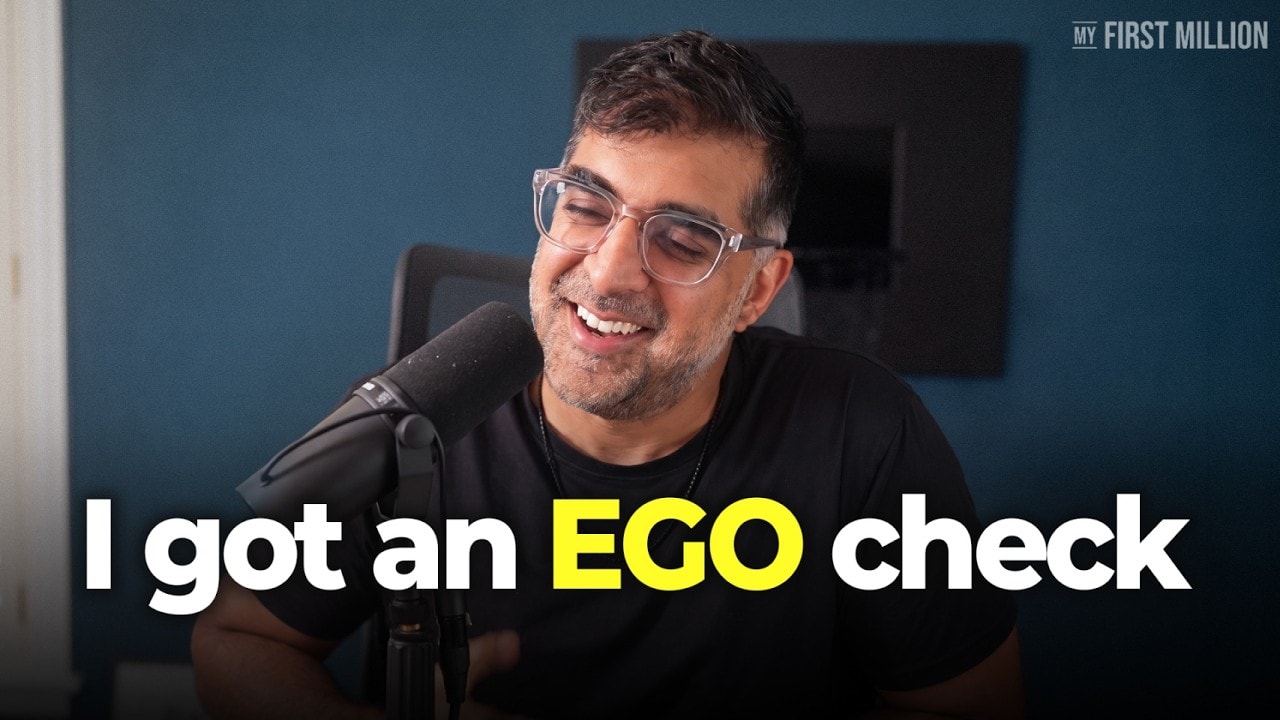
My First Million
My First Million episode 870, in which host Shaan Puri tells three stories of embarrassment and what he took from each: a personality test result after he sold a company, a failed pitch to a restaurant-industry figure that left him feeling pitied, and a personal story that led to starting his podcast. Sponsor: HubSpot, named in the episode description. PARTIAL COVERAGE: this note covers the first story in detail, part of the second story about a failed pitch, and the closing, and does not cover every part of the roughly 22 minute episode, including most of the third story. Puri's account of the test and of his own traits is his personal view and is not a psychological assessment. This is a summary of his storytelling, not medical, mental-health or business advice.
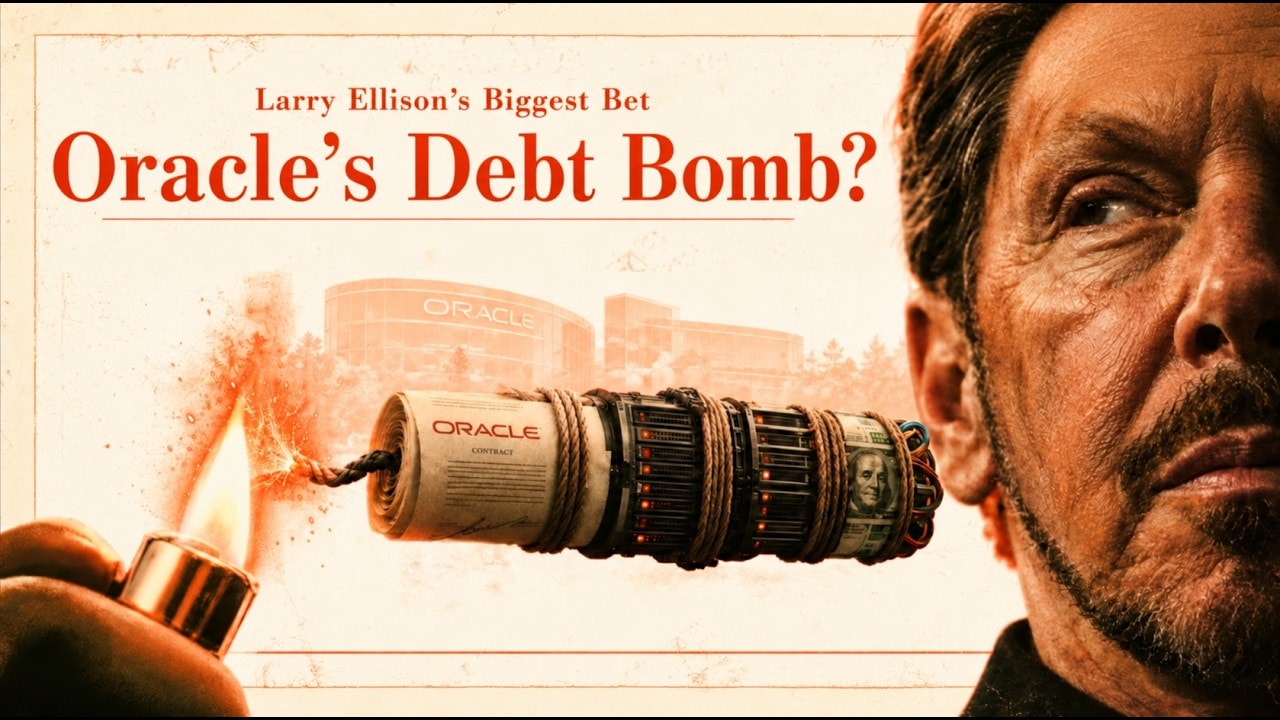
Think School: Indian Business Podcast
Think School explains how Oracle went from the hottest stock of 2025 to a 56 percent fall from its peak. The video traces Oracle's original model of selling database software while customers owned the machines, how Amazon Web Services inverted that model by renting computing by the hour, and how the September 2025 announcement of a roughly $300 billion, five-year computing deal with OpenAI inflated Oracle's remaining performance obligations to $455 billion and briefly made Larry Ellison the world's richest man. It then shows why investors turned skeptical: the deal flips Oracle into an asset-heavy build-now-rent-later business funded by borrowing, OpenAI's promise of about $60 billion a year is many times its own revenue at the time, and a stress test shows interest costs climbing toward half of profits while credit default swap prices signal four times the earlier default nervousness. FULL COVERAGE: the captions appear to cover the entire episode. All figures are as stated by the channel, not independently verified. Sponsor: none stated in the episode (the outro promotes the channel's own job application form). Nothing here is financial advice.
Masters of Scale
Alyssa Ravasio and Jeff Berman discuss Hipcamp evolving from campground information into a marketplace, identifying a supply shortage and helping landowners host campers. Company outcomes are her retrospective account. Selected business passages only; founder-health, policy and legal-detail discussions omitted. Do not treat the summary as current insurance or regulatory advice. Metadata follows the linked YouTube video. Official transcript is machine-generated; topics are untimed. Source: https://mastersofscale.com/building-a-marketplace-from-scratch/
Shopify Masters
A Shopify Masters conversation with Kent Yoshimura and his co-founder Ryan, who built the Neuro brand of caffeine and L-theanine gum from a dorm-room supplement experiment into a brand sold at Walmart, Whole Foods and Costco. They cover starting a product to solve their own problem, the choice of simple ingredients, why timing and shelf placement mattered in retail, and the lawsuit the episode title refers to. Sponsor: Shopify, named in the show's trial message. PARTIAL COVERAGE: this note covers the opening, a middle section on retail partners such as Costco and Walmart, and parts of the description, and does not cover every part of the roughly 31 minute episode. All business claims are the founders' own account and are not independently checked. This is a summary of their views, not business, legal or health advice.
The Diary Of A CEO with Steven Bartlett
Dana White tells Steven Bartlett how he moved from a steady hotel job into the fight business and helped build the UFC. He discusses taking responsibility, hiring a team that fits, loyalty, criticism and intense focus. These notes describe his personal business philosophy, not a universal rule that every founder must follow.
Think School: Indian Business Podcast
Saad Khaja and Ganesh Prasad discuss service offers, distribution, lead capture and discovery calls. Selected coverage from approximately the first 50,000 characters of third-party-rendered English captions, not the whole interview; the unseen ending is not summarized. AI remarks, sponsor pitches, pressure tactics and claims of easy or guaranteed revenue are not used as recommendations. The title's revenue figure and other numerical examples are interview claims, not independently verified results. Captions contain errors and no named speakers; quote attribution follows the exchange. Topics are untimed; metadata follows YouTube. Source: https://youtubetotranscript.com/transcript?v=M2OYgUoQwyk
Think School: Indian Business Podcast
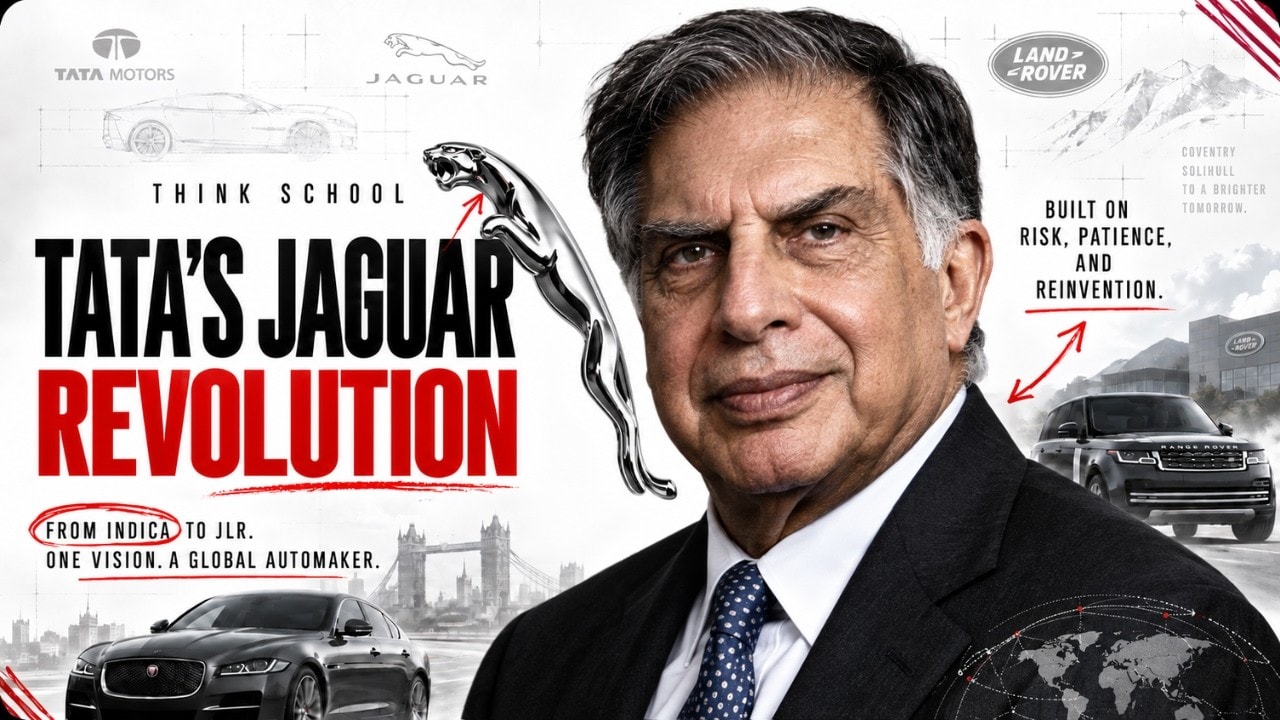
A Think School case study on how Ratan Tata, after being dismissed when he tried to sell Tata Motors' car division to Ford, later bought Jaguar Land Rover from Ford and, as the narrator tells it, turned it around. The narrator explains why Ford's cost-saving platform sharing hurt Jaguar and what the Tatas understood about premium brands. Sponsor: Ditto, an insurance consultation platform, named in a mid-roll read. PARTIAL COVERAGE: this note covers the opening, the Ford pitch story, the Ditto read, the brand and platform-sharing section, and the closing, and does not cover every part of the roughly 17 minute video. Financial figures and the account of events are the narrator's own and are not independently checked. This is a business summary, not financial or insurance advice.
Shopify Masters
A Shopify Masters conversation hosted by Serena Smith with Bette Bentley, founder of Skimpies, a plastic-free, organic cotton liner for leggings and underwear. Bentley moved from comedy writing and independent film to product making. She talks about creating a new product category, selling live on TikTok for months, the moment that led her to commit to the company, and how she thinks about building community. Sponsor: Shopify, named in the show's trial message. PARTIAL COVERAGE: this note covers the opening, a middle section about her health scare and her decision to go all in, and the close, and does not cover every part of the roughly 39 minute episode. Sales figures and valuations are her own account and are not independently checked. This is a summary of her views, not business or health advice.
The Diary Of A CEO with Steven Bartlett
Adam Neumann tells Steven Bartlett his account of building WeWork, losing focus as money and ego grew, and learning from the company's collapse. He discusses mission, earned influence, choosing partners for difficult days and creating space away from technology. Business figures and explanations of events are his statements. Educational summary, not investment advice.
Figuring Out with Raj Shamani
Asish Mohapatra discusses underserved customers, testing ideas, building trust and listening before selling. Selected practical passages only, not a full-episode summary. Financial, regulatory, political, AI, bribery, dismissal and extreme-work claims omitted. Business anecdotes are the guest's account, not independently verified facts. Quotes reproduce Wave's third-party machine transcript; recognition errors and audio-video edit differences are possible. Untimed topics are not video chapters. Original video: https://www.youtube.com/watch?v=GhZgfEfz8og Transcript: https://pod.wave.co/podcast/raj-shamanis-figuring-out-ae16fa52-2d44-4d97-9190-2a80ee902de7/how-to-100x-your-money-in-boring-businesses-spot-hidden-opportunities-asish-mohapatra-fo567-raj-sham
Lenny's Podcast: Product | Career | Growth
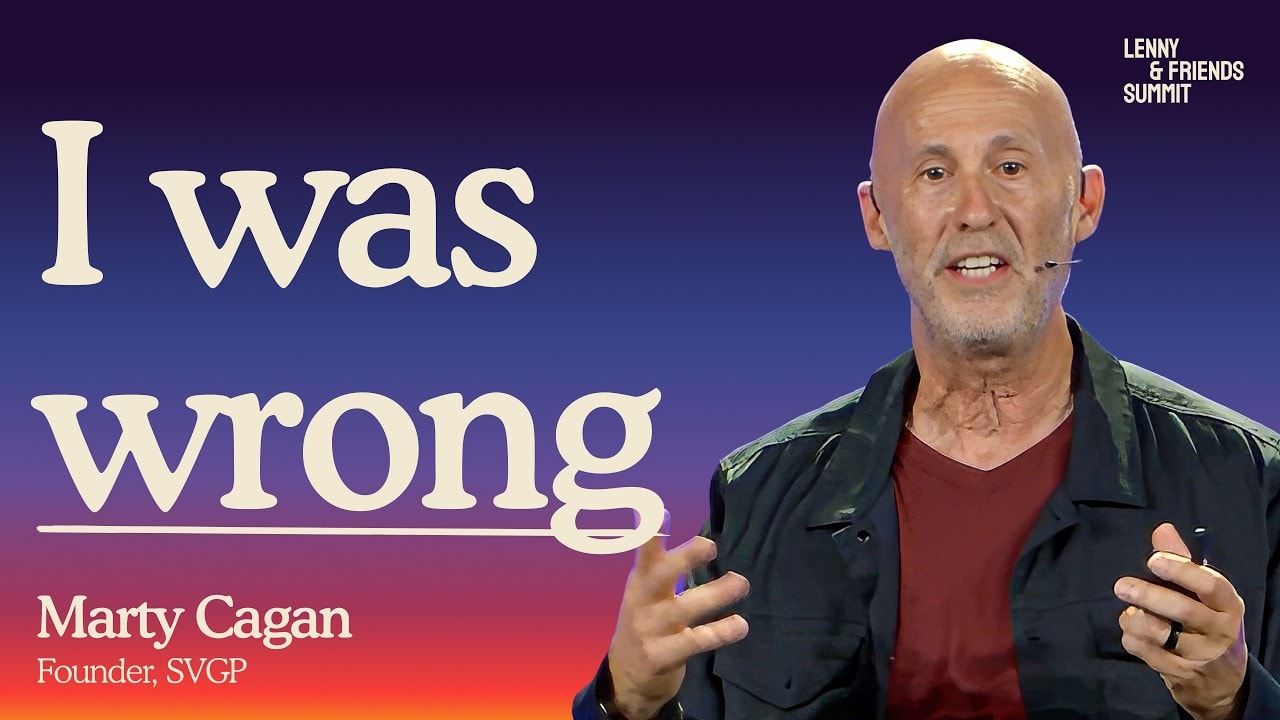
A Lenny's Podcast talk recorded live at the Lenny and Friends Summit on September 10, 2026 in San Francisco, in which product leader Marty Cagan shares ten regrets about his product advice since the first edition of his book Inspired in 2008. He says he understated business viability, product leadership and solution discovery, and that predictable roadmaps and process can stop teams learning what customers need. He also argues that outcomes and clear thinking matter even as AI makes building easier. Sponsor: no third-party sponsor is named in the description; the talk is presented by Lenny's Podcast and the Lenny and Friends Summit. PARTIAL COVERAGE: this note is based on the opening, the first regret on business viability, a middle section on why users churn and humility, and the description, and does not cover all ten regrets in the roughly 22 minute talk. All views are Cagan's own.
My First Million
A My First Million conversation (episode 865) in which Shaan Puri and Sam Parr talk about using the last 99 days of the year, Parkinson's law, building systems around your weaknesses, running events, and a bathtub analogy for warming up creative output. Sponsor: the description links a HubSpot resource; no HubSpot read appears in the parts covered. PARTIAL COVERAGE: this note covers the 99-days opening, the Parkinson's law and quarters discussion, the systems and events discussion, the bathtub analogy, and the closing, and does not cover every part of the roughly 60 minute episode, including the sections on jelly beans, thinking hats and notebooks. Personal stories and claims are the speakers' own and not independently checked. This is a business and habits conversation, not medical, legal or financial advice.
Figuring Out with Raj Shamani
JR Airlines founder Abhinav Tripathi explains the business of private jets and helicopters to Raj Shamani: brokers, charter pricing, ownership costs, utilization, maintenance and customer pressure. Original English notes based on the full available Hindi auto-caption page. Short quotes are translated caption excerpts, not audio-verified English quotations. Source: https://youtubetotranscript.com/transcript?v=pbLFmU1p-7A. Fleet counts, prices, taxes, safety statements and regulatory claims are the guest's account at recording, not current verified rules or aviation advice. Check qualified operators and official authorities before acting.
People by WTF
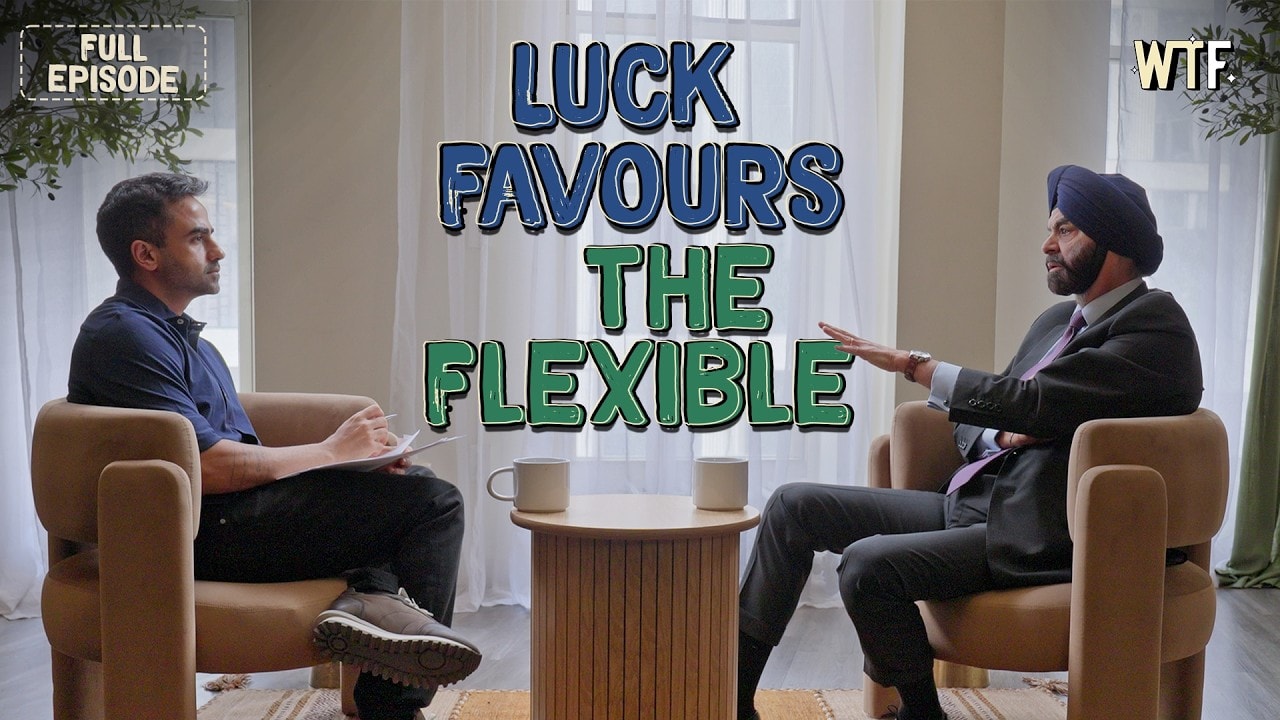
World Bank President Ajay Banga joins Nikhil Kamath to discuss his career, the bank's structure and why he places jobs at the center of reducing poverty. The conversation connects infrastructure, education, health, farming and local value creation with opportunity for young people. Economic figures and policy arguments are Banga's account in this interview.
People by WTF
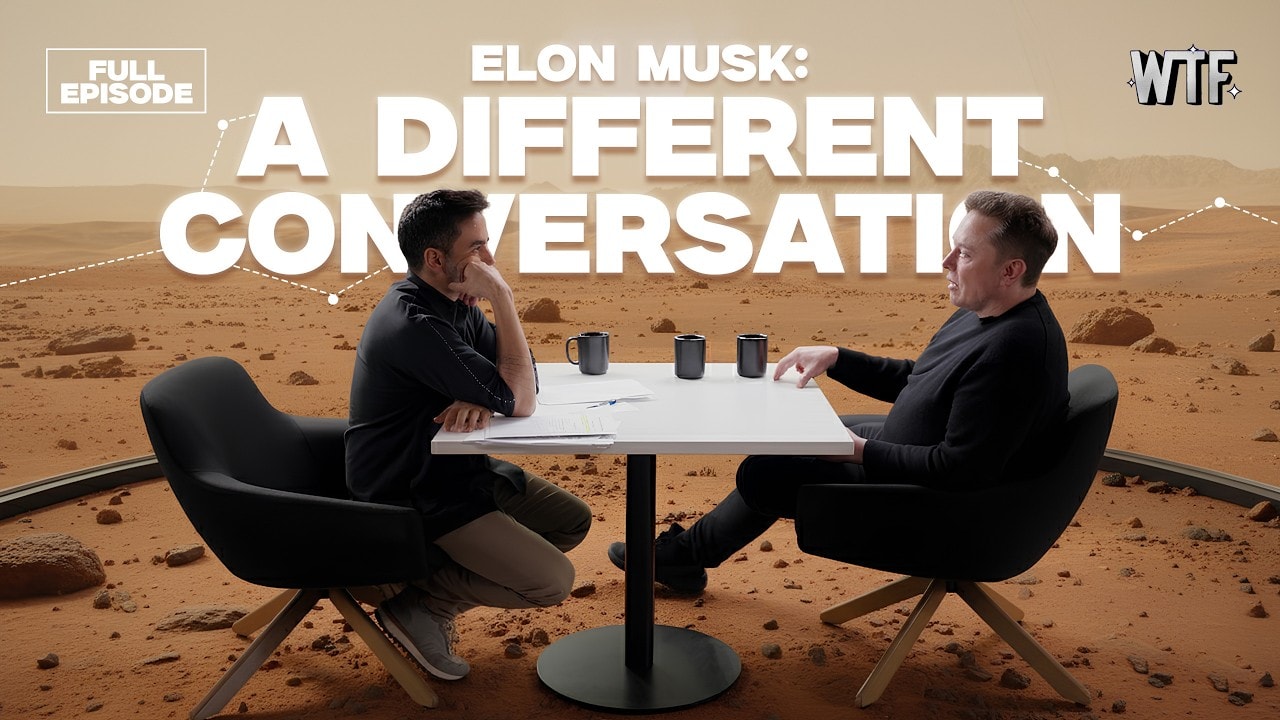
A long unscripted conversation with Elon Musk and Nikhil Kamath about work, consciousness, family, money, AI and how the future might unfold. They discuss social platforms, useful products, Tesla, SpaceX, xAI, Starlink, investing, college, morality and simulation theory. Musk’s forecasts are his opinions.
People by WTF
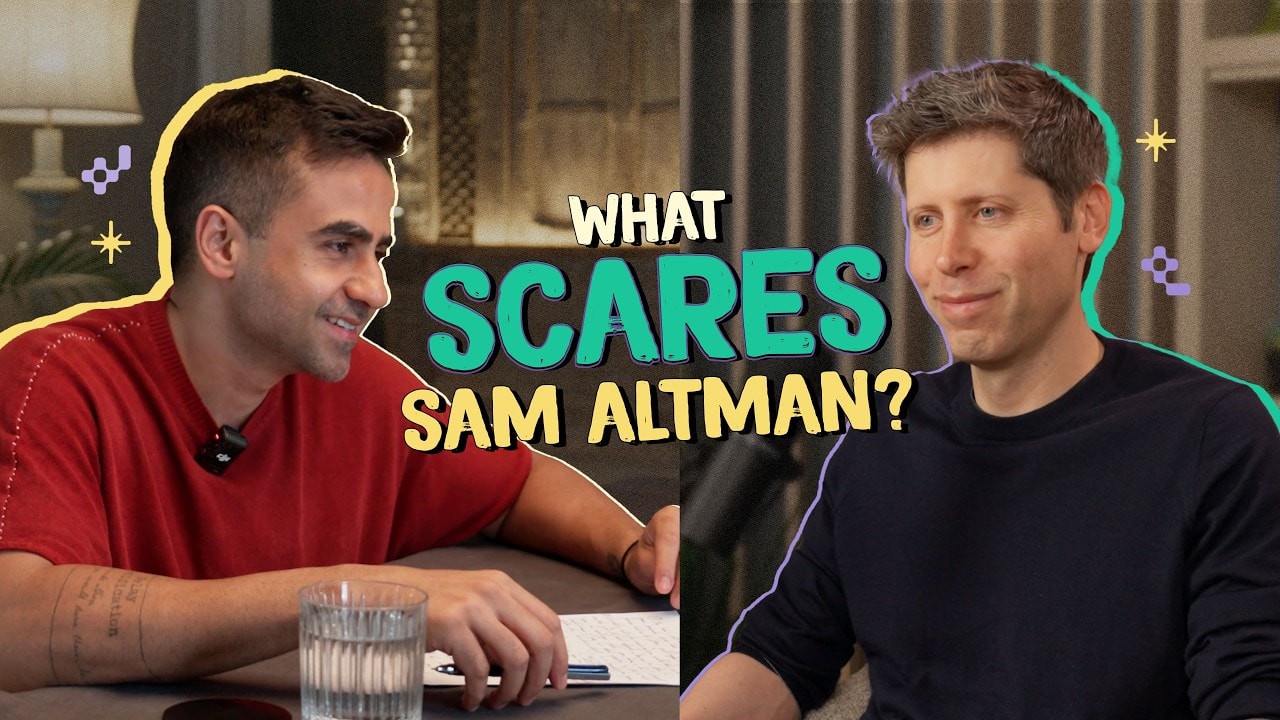
Nikhil Kamath asks Sam Altman about GPT-5, careers, building with AI, humility, parenthood and the future of business. Altman emphasizes AI fluency and learning to learn while acknowledging the difficulty of predicting beyond a few years. Recorded in 2025; product claims are Altman's account at the time, and economic predictions are not investment advice.
People by WTF
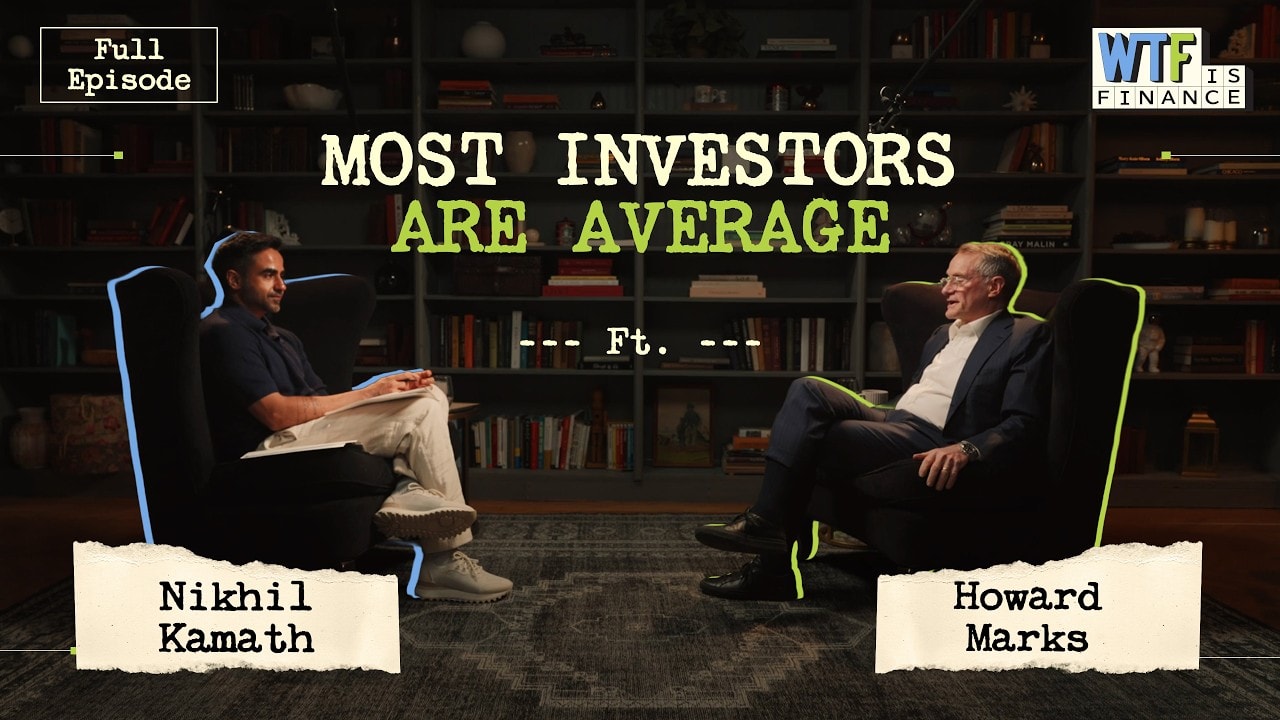
Nikhil Kamath asks Oaktree co-founder Howard Marks how he moved from Queens to Wall Street, why he chose bonds over stocks, and how market cycles and AI change investing. The conversation links careful credit analysis with second-level thinking and a willingness to keep learning. Educational summary, not investment advice.
People by WTF
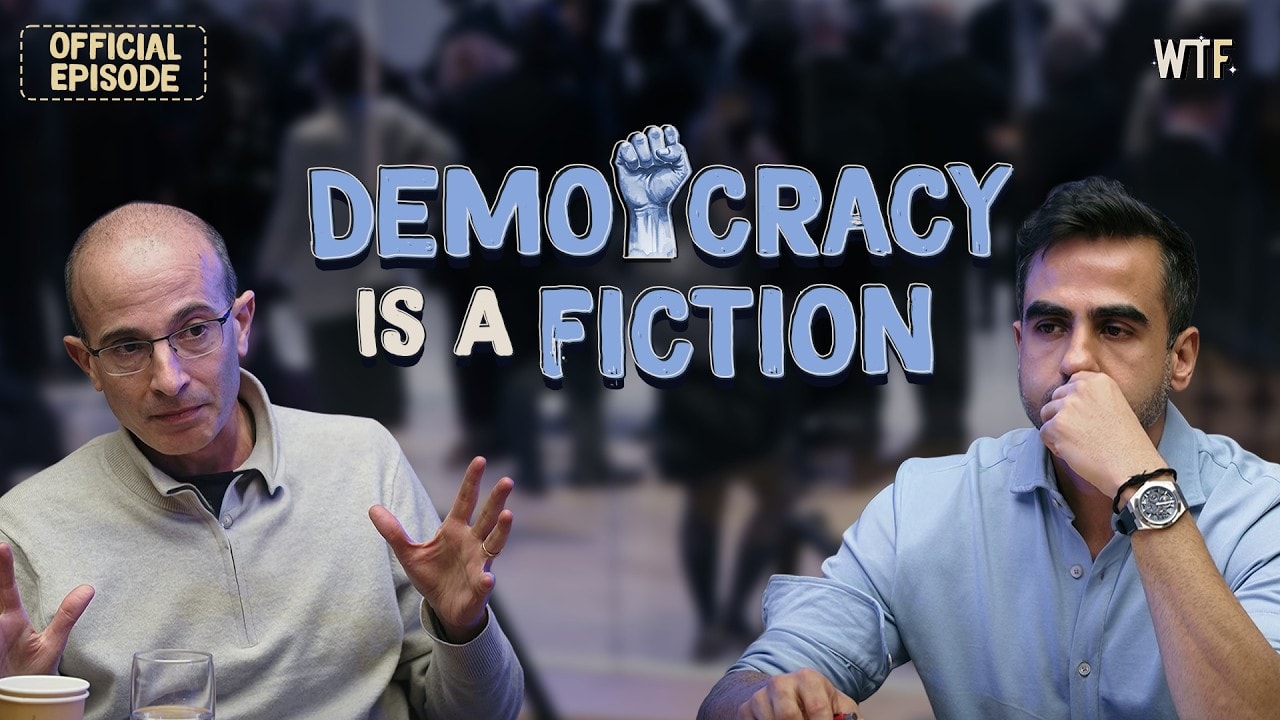
At Davos, Nikhil Kamath asks historian Yuval Noah Harari about shared stories, religion, power, democracy and AI. Harari argues that cynical thinking can excuse dishonesty, engagement metrics can damage public trust, and understanding suffering is a better guide than imagining a fixed role in a cosmic drama. Political judgments in these notes are his views, not settled facts.
People by WTF
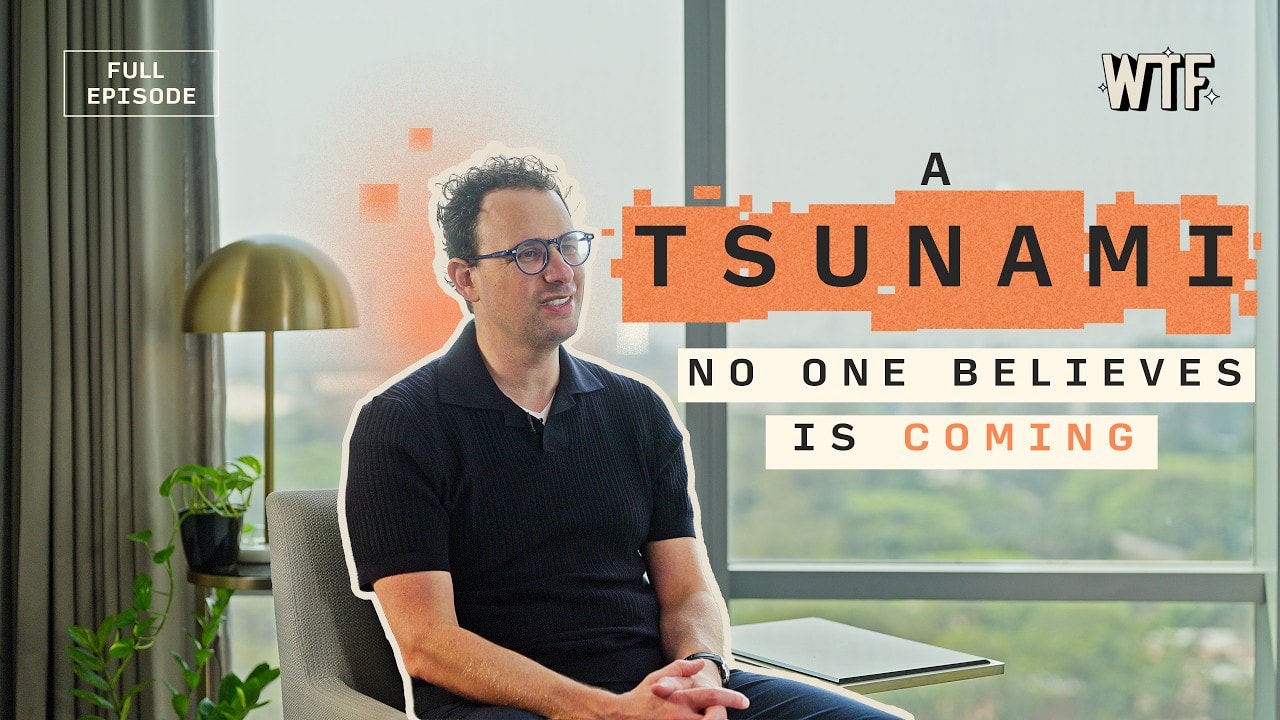
Nikhil Kamath asks Anthropic co-founder Dario Amodei about scaling laws, trust, AI risks and benefits, India's IT sector and opportunities for builders. Amodei argues for steering AI rather than simply stopping it, while warning that society may be unprepared. Company claims and forecasts are his own views, not independently verified findings or investment advice.
People by WTF
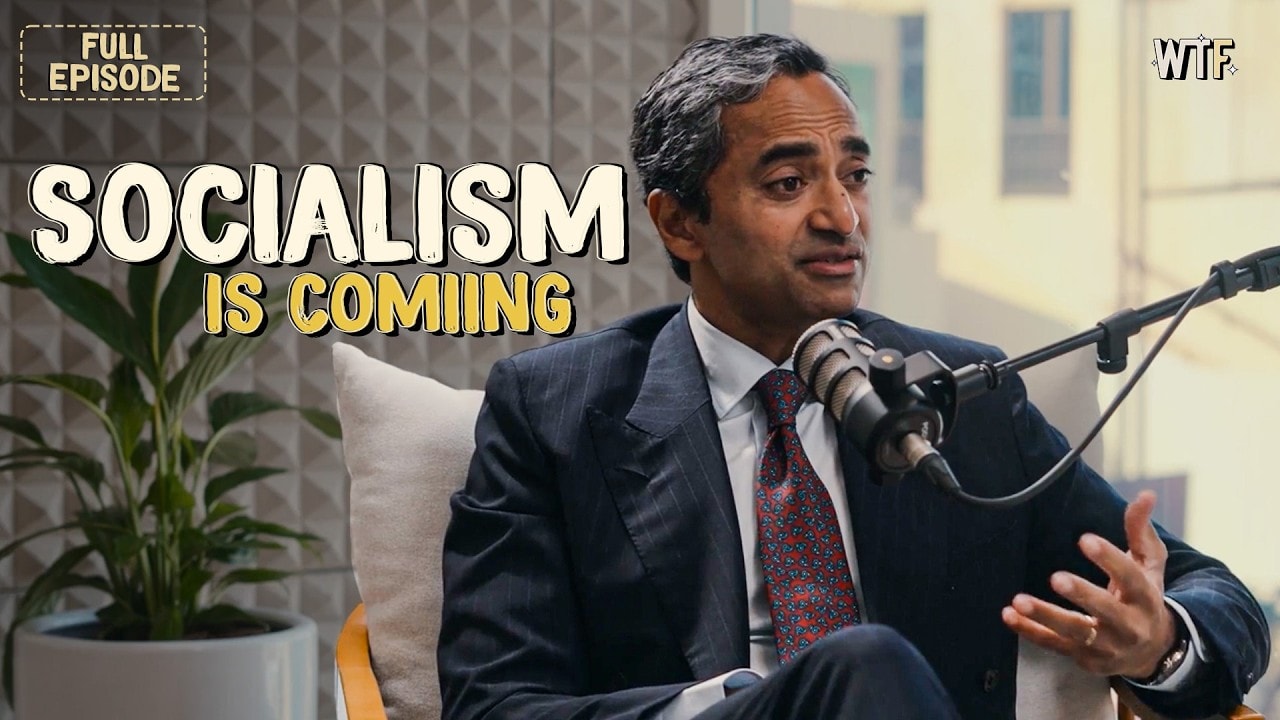
Nikhil Kamath and Chamath Palihapitiya discuss childhood pain, ambition, family and the shift from treating business as life-and-death to seeing it as a game. The conversation also covers investment conviction, position sizing, AI and politics. Personal and market claims are Palihapitiya's account, not independently verified findings or investment advice.
People by WTF
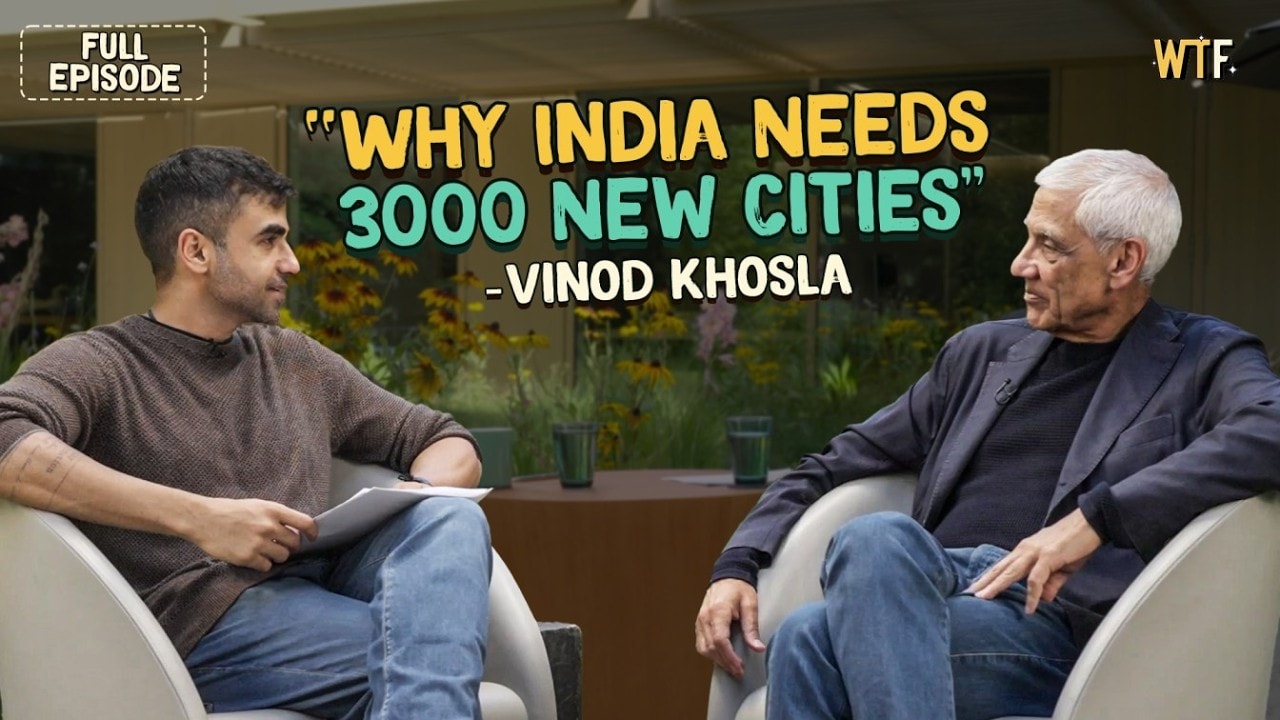
Nikhil Kamath asks Vinod Khosla about entrepreneurship, mission, education and adapting to AI. Khosla argues for first-principles thinking, broad learning and a five-year direction alongside near-term sales. Recorded 7 July 2025 and released 2 August 2025 in India; his predictions about jobs and technology are opinions, not settled facts or investment advice.
People by WTF
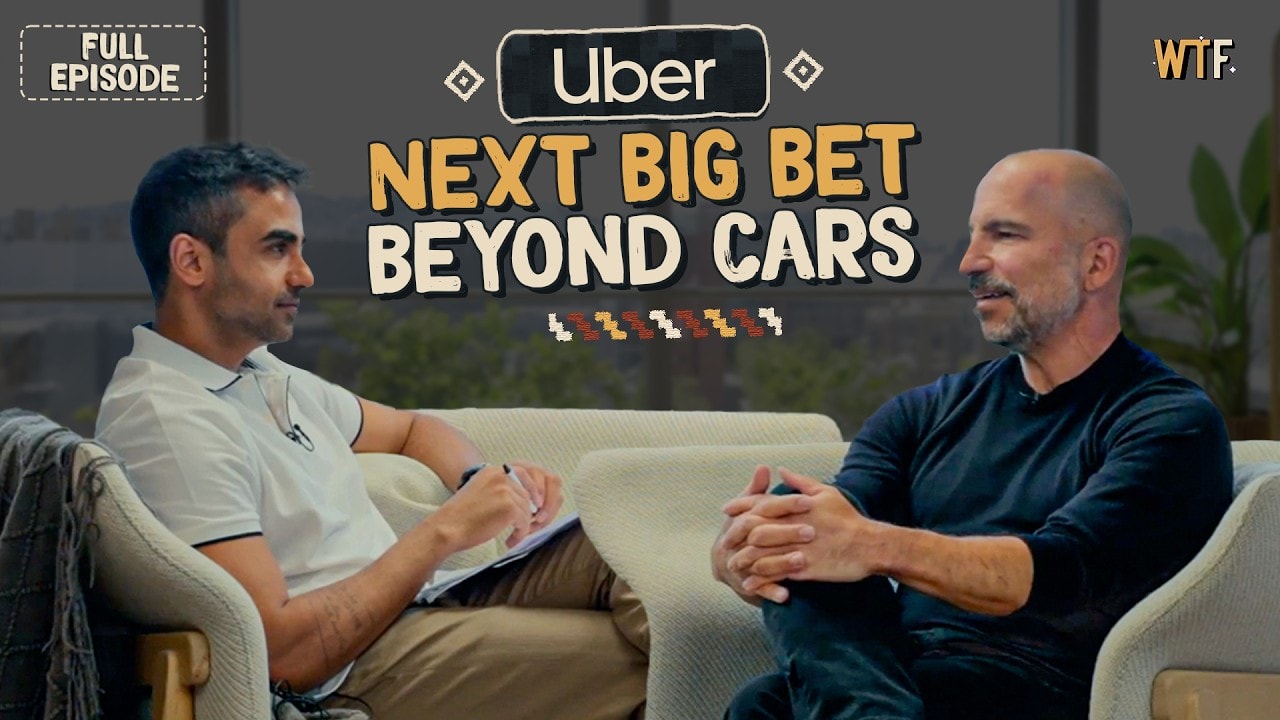
Dara Khosrowshahi discusses an authentic, collaborative leadership style, learning from competition and the difference between starting and scaling a business. He shares career criteria and his August 2025 outlook on AI in travel. These are his accounts and forecasts, not verified current Uber features, availability or policy.
People by WTF
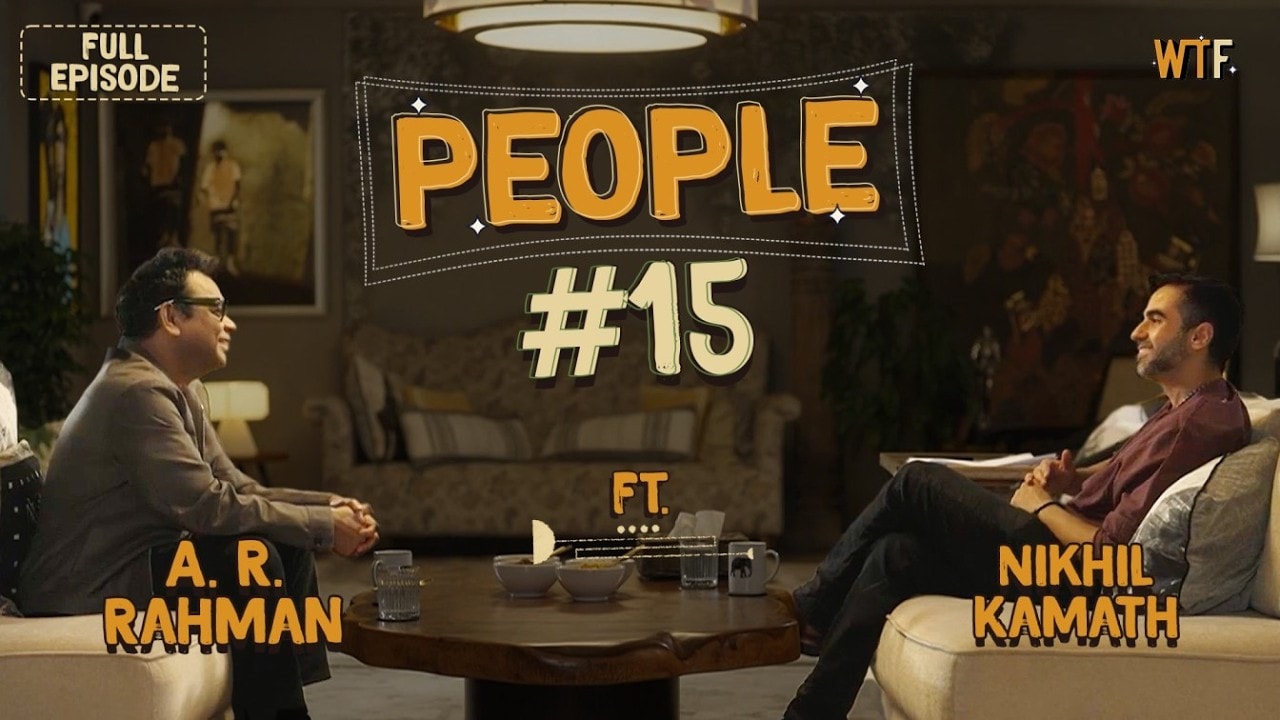
A.R. Rahman talks with Nikhil Kamath about creative independence, musical influences, practice, artistic education and AI. He reflects on working across traditions, making space to experiment and what human participation brings to performance. Personal recollections and predictions are presented as his views from November 2025.